How to Get Rid of Fungus Gnats for Good
A four week plan that clears fungus gnats from houseplants for good. Traps, drying, nematodes and the watering change that stops them coming back.
The short answer
- Fungus gnats breed in the damp top layer of compost. Everything below follows from that.
- The fix is a four week cycle: yellow sticky traps for the adults, a dry compost surface and a nematode drench for the larvae.
- Bottom watering from now on. The surface stays dry and the pot stops being a nursery.
- Give it the full four weeks. The lifecycle is three to four weeks, so stopping early restarts the clock.
- Prevention is watering only when the compost has actually dried, not on a summer rhythm carried into autumn.
What you are dealing with
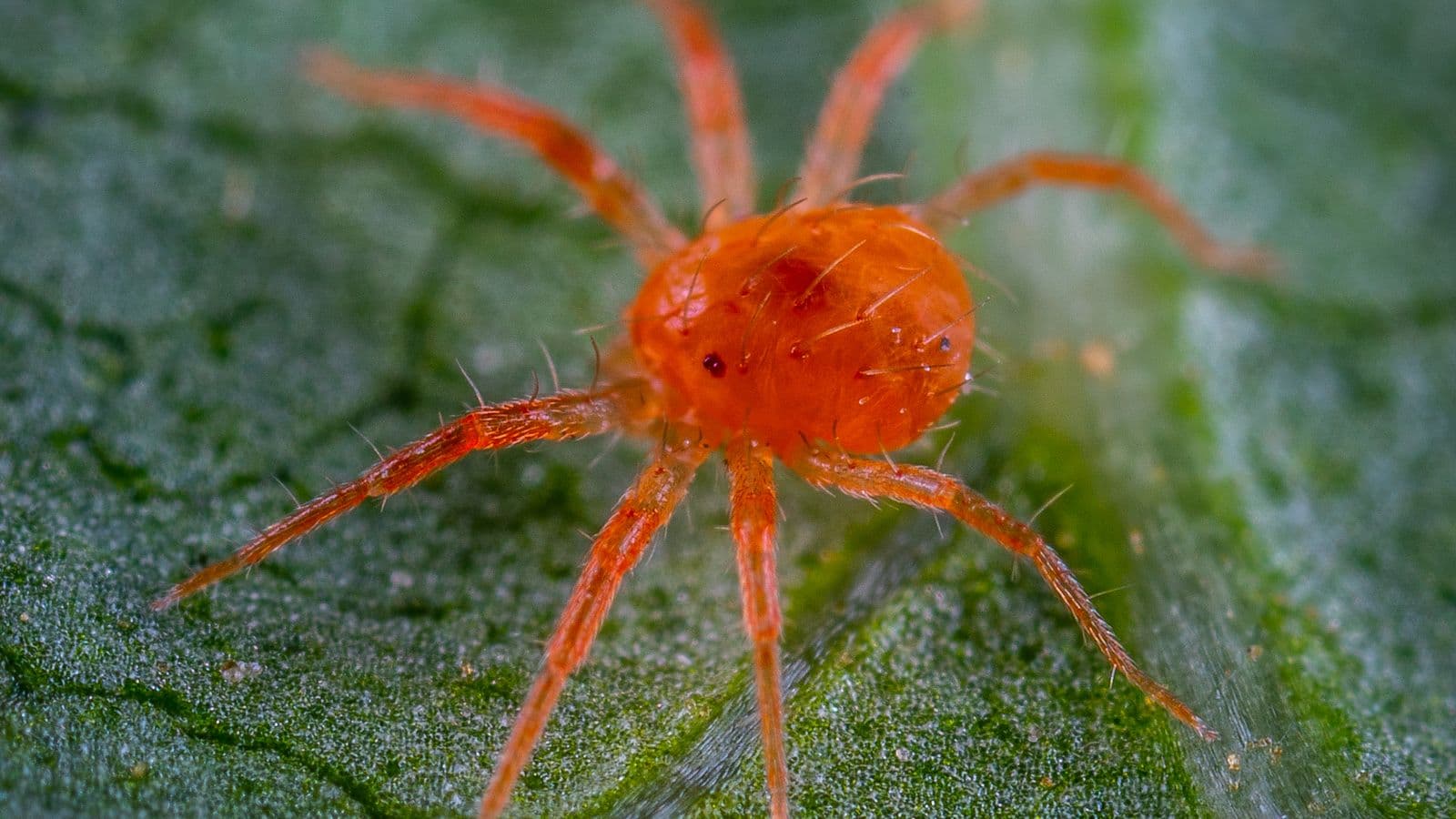
Fungus gnats are the small dark flies, a few millimetres long, that drift up from your pots when you water and gather on the nearest window. The adults are clumsy, short-lived and harmless to people. They do not bite and they barely feed. The population lives in the compost: eggs laid in the damp surface layer, and larvae feeding on fungus, algae and decaying matter in the top few centimetres.
That detail decides the whole strategy. Sprays and swatting target the visible adults, which are the one stage that hardly matters, while the next generation matures untouched below the surface. Egg to adult takes three to four weeks in a warm room. Clear every stage for one full cycle and the infestation ends. Miss a stage and it restarts.
If they have appeared in autumn, that is the classic pattern. Pots come back indoors after summer carrying eggs, the heating comes on, watering carries on at a summer pace, and the warm damp compost does the rest.
Why you have them
Nearly always: compost that never dries out. Fungus gnats need a consistently damp surface to breed, and a pot watered on habit rather than need provides one permanently. Our guide to how often to water houseplants shows how to water on need instead. A plant that is watered when it actually needs it dries at the surface between drinks, and that alone makes the pot a poor home.
The other routes in are a new plant carrying eggs, and fresh compost from an opened bag left damp, which is worth knowing before you blame your watering entirely. But if the gnats are thriving, something is staying wet. The same wet compost is the most common reason houseplant leaves turn yellow, so gnats and yellowing often turn up together. A monstera with yellow leaves and gnats around the pot is a classic case, covered in why monstera leaves turn yellow or brown.
The four week plan
Week one: traps up, surface drying, bottom watering starts
Yellow sticky traps in every affected pot, flat on the compost or on a stick at rim height. Adults are drawn to yellow and every trapped female is a few hundred eggs not laid. Stop watering until the top few centimetres are properly dry, clear dead leaves off the surface, and from now on water from below by standing pots in a tray of water for twenty minutes.
Week two: drench the larvae
Water in a pack of the nematode Steinernema feltiae, sold in the UK online and by garden centres, often labelled for fungus gnat or sciarid fly control. They are microscopic, harmless to plants, pets and people, and they hunt the larvae in the compost. Follow the pack timing, since they are alive and do not keep.
Week three: cap the surface
Top the compost with a centimetre or two of horticultural grit, perlite or sharp sand. A dry mineral cap separates adults from the damp organic layer they want to lay in, in both directions. Keep the traps up and keep bottom watering.
Week four: monitor, and repot the stubborn pot
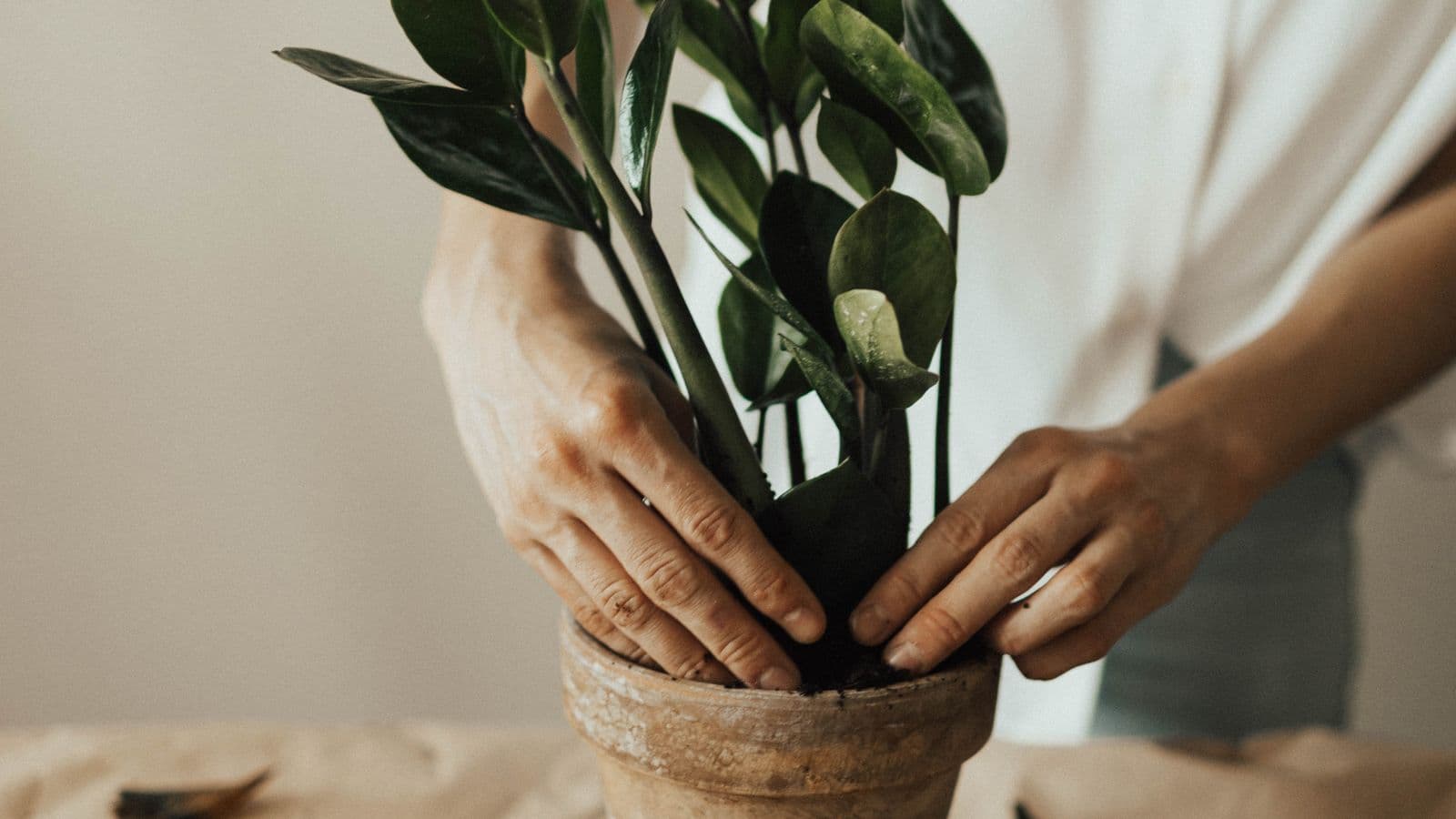
Replace the traps and watch. A few stragglers are the tail of the old generation. Fresh catches climbing rather than falling mean a pot is still breeding, and it is almost always the wettest one. Repot it: slide the plant out, remove as much old compost from the roots as comes away easily, and pot into fresh compost and a clean pot with drainage.
What does not work
Cinnamon on the surface has folklore behind it and not much else. Bowls of vinegar catch a modest number of adults and leave the larvae in the compost untouched, which is also the problem with chasing adults around the room with a spray. Misting makes things actively worse by keeping the surface damp. And moving the plant to another room does nothing at all, because the infestation is in the pot, not the room.
A hydrogen peroxide drench is the home remedy you will see recommended most, and it does kill larvae. Mixing your own pesticide means guessing at the strength, though, and it is rougher on the compost's own life than nematodes are. If you want a product as well as patience, use one sold for fungus gnats or sciarid flies on houseplants, check it is approved for houseplants and follow the label.
Keeping them gone
Every part of the fix ends at the same place: a compost surface that dries out between waterings. Keep that one habit and fungus gnats have nowhere to breed, whatever the season carries in.
The habit is harder than it sounds, because the right interval keeps moving. A pot that dried in four days in July can hold water for a fortnight in November, and a hallway pot dries at a different pace from the same plant in a warm kitchen. This is what Folly's Smart Care schedules are for. Each plant's interval is built from the factors that set real demand, pot size, light, season and your local weather among them, and it stretches as conditions change instead of marching on at a summer pace. Tap the plant and you see every factor and what it added or removed, so you know why this week's gap is longer than last month's.
If something does turn up in a pot, photograph it. Plant Doctor covers 500+ diseases and pests, fungus gnats included, and returns a step-by-step treatment plan with prevention notes rather than leaving you to reverse-engineer a forum thread.
Questions people ask
Where do fungus gnats come from?
Usually in something you carried through the door. New plants, a freshly opened bag of compost, or a pot that spent the summer outside. The eggs and larvae live in the top few centimetres of damp compost, so an infestation arrives invisibly and announces itself a few weeks later. Open windows account for a few, but the compost route is the common one.
Do fungus gnats damage plants or bite people?
They do not bite, and for an established, healthy plant the adults are an irritation rather than a threat. The larvae feed on fungus and decaying matter in the compost and will chew fine root hairs, which matters for seedlings, cuttings and anything already weak. The real reason to act is that a small population becomes a large one within a couple of lifecycles.
Does bottom watering get rid of fungus gnats?
It is half the cure. Watering from below keeps the top layer of compost dry, and that top layer is where the eggs are laid and the larvae live. A dry surface makes the pot hostile to the next generation. On its own it will not clear the adults and larvae already present, which is why it is paired with traps and a drench in the plan.
How long does it take to get rid of fungus gnats?
One full lifecycle, plus margin. Egg to adult takes three to four weeks in a warm room, so a treatment that holds for four weeks catches every stage. If you are still seeing new adults on fresh sticky traps after four consistent weeks, a pot has stayed too wet or a new source has arrived, and the worst pot is a candidate for full repotting.
Does cinnamon get rid of fungus gnats?
There is no good evidence for cinnamon, and none for vinegar bowls doing more than catching a handful of adults. Neither touches the larvae in the compost, which is where the infestation actually lives. Sticky traps, a drier surface and a nematode drench are cheap, available in the UK and actually work.