Bringing Houseplants Back Indoors: The UK Autumn Checklist
When to bring houseplants in as UK nights cool, which plants come first, and the pest checks that stop gnats and other hitchhikers coming in with them.
The short answer
- Watch night temperatures, not the calendar. Tropical plants come in before nights regularly drop to 10C, which in much of the UK means September.
- Thin-leaved tropicals come in first. Succulents and cacti can wait longest, but not until frost.
- Check and clean every plant before it crosses the doorstep. Autumn's fungus gnat plague starts in a summered pot.
- Give returning plants your brightest window. Indoor light is a fraction of outdoor light, even in a sunny room.
- Ease off water and feed from late September. Growth is slowing whether you do or not.
The trigger is a night temperature, not a date
The question everyone asks is "when do I bring them in", and the honest answer is that the date changes with the year and with where you live. The trigger does not. Most of the plants we grow indoors are tropical or subtropical, they slow down noticeably once nights fall below about 12C, and sustained nights below 10C start doing real damage to the tender ones. None of that waits for the first frost. For anything that has to stay out a little longer, see how to protect plants from frost.
So watch the overnight forecast from late August onwards. In Scotland and the north of England the first run of single-digit nights often arrives in early September. In the south it may hold off until the end of the month, and a sheltered city courtyard buys you another week or two over an exposed rural garden. The year does what it likes, which is exactly why a calendar rule fails.
One cold night below 5C can undo a summer of growth on something tender, so do not plan to move everything on the last possible weekend. Move the delicate plants at the first sign of single digits in the forecast and let the tough ones enjoy the tail of the season.
Which plants come in first
First in
- Calatheas, marantas and other thin-leaved tropicals
- The least cold-tolerant plants most of us own. One cold, wet night marks the leaves and the marks do not grow out.
- Begonias and fittonias
- Soft growth collapses quickly in cold rain. These should lead the procession indoors.
- Monstera, pothos and philodendrons
- Tougher than they look but still tropical. In before nights hit single digits.
- Anything in a small pot
- A small root ball chills right through overnight. Pot size matters as much as species.
Can wait longest
- Succulents and cacti
- Happy through cool nights as long as they are dry. In before frost threatens, and dry compost is the condition.
- Jade plants
- Cool autumn nights outdoors often bring out red leaf edges. Still inside before frost.
- Aspidistra
- The cast iron plant again. Cold rarely bothers it, though winter wet will.
Species is only half the story. A plant in a plastic pot in a sheltered corner sits several degrees warmer overnight than the same plant in terracotta on an open table. Feel how exposed each spot actually is before deciding something can wait.
Check every plant before it crosses the doorstep
A summer outdoors means company. Fungus gnats, spider mites, aphids, slugs tucked under the rim, ants farming the whole pot. Bring one colonised pot into a warm house and you seed every plant you own, which is why October is peak fungus gnat season indoors. Ten minutes per plant at the door saves a winter of fighting.
Inspect the leaves, both sides
Undersides especially. Fine webbing means spider mites, sticky residue means aphids or scale. Treat outside, where you still have the option of a proper hose-down.
Slide the plant out of its pot
Check the root ball for ant runs, vine weevil grubs and slugs. White C-shaped grubs among the roots are vine weevil, and they need dealing with before the pot comes in.
Clear the compost surface
Fallen leaves and loose debris on the surface are exactly what fungus gnat larvae feed on. Strip it back to bare compost.
Wash the foliage and wipe the pot
A shower head or a hose on gentle does more than any spray. Wipe the pot and saucer, which is where eggs and slugs hide.
Quarantine for a fortnight if you can
A room away from your indoor collection, with a yellow sticky trap in the pot as an early warning. Most problems show themselves within two weeks in a warm room.
Give them the light you actually have
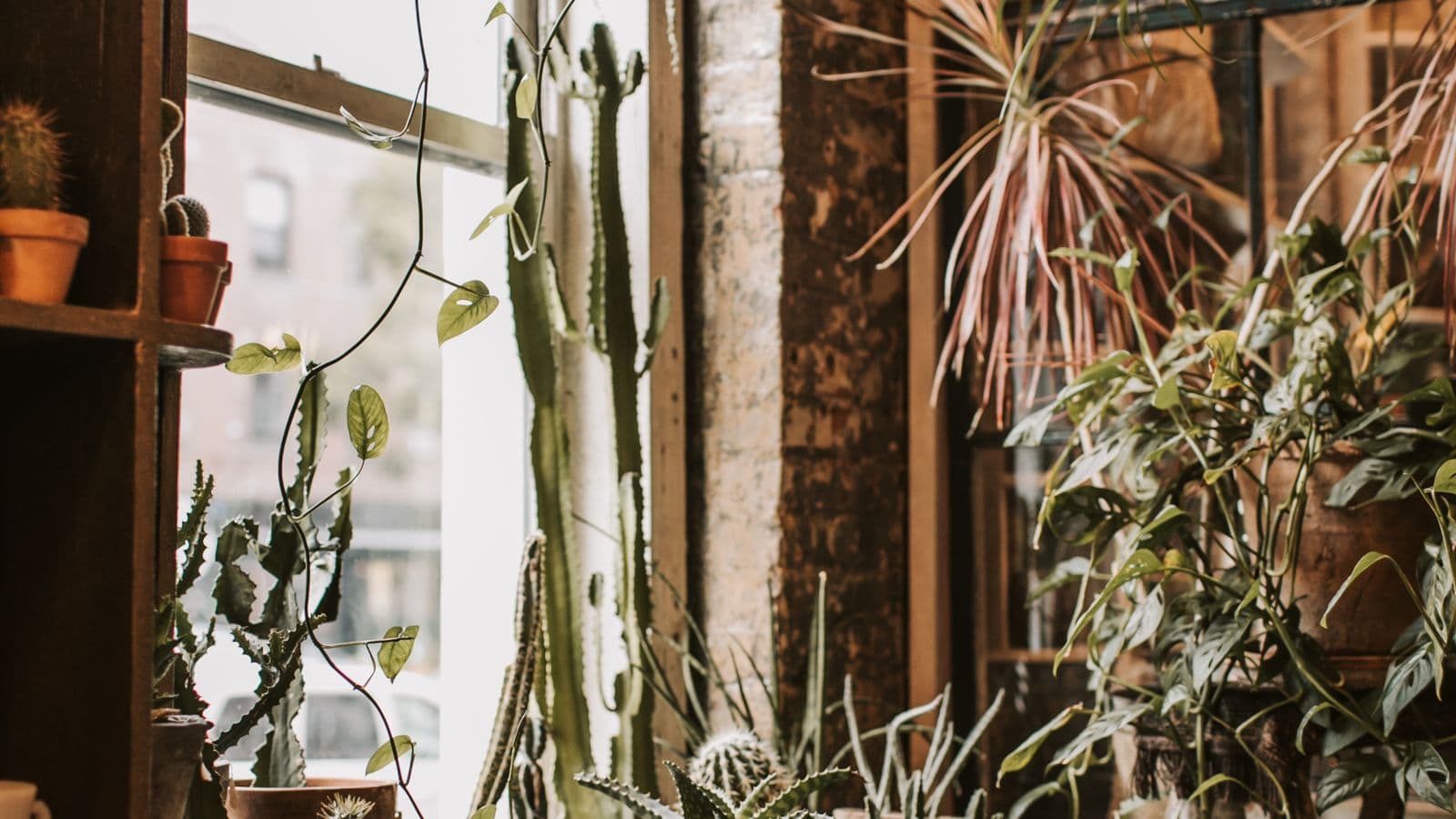
The hardest part of the move is invisible. Even a bright south-facing room sits at a fraction of the light of open shade outdoors, and the plant you bring in has spent months building leaves for outdoor conditions. It will notice.
Put returning plants in the brightest windows you have and give the very brightest spots to the plants that were outside, not the ones that never left. The autumn sun is weak enough that scorch through glass stops being a concern within a few weeks of the equinox, so a south windowsill that was dangerous in July is prime position in October. Expect some leaf drop anyway during the adjustment, and resist the urge to fix it with water or feed. It is not a care problem, it is a light budget being rebalanced.
Keep plants off cold glass and away from the radiators that are about to come on. Our winter guide covers that next phase in full.
Ease off water and feed
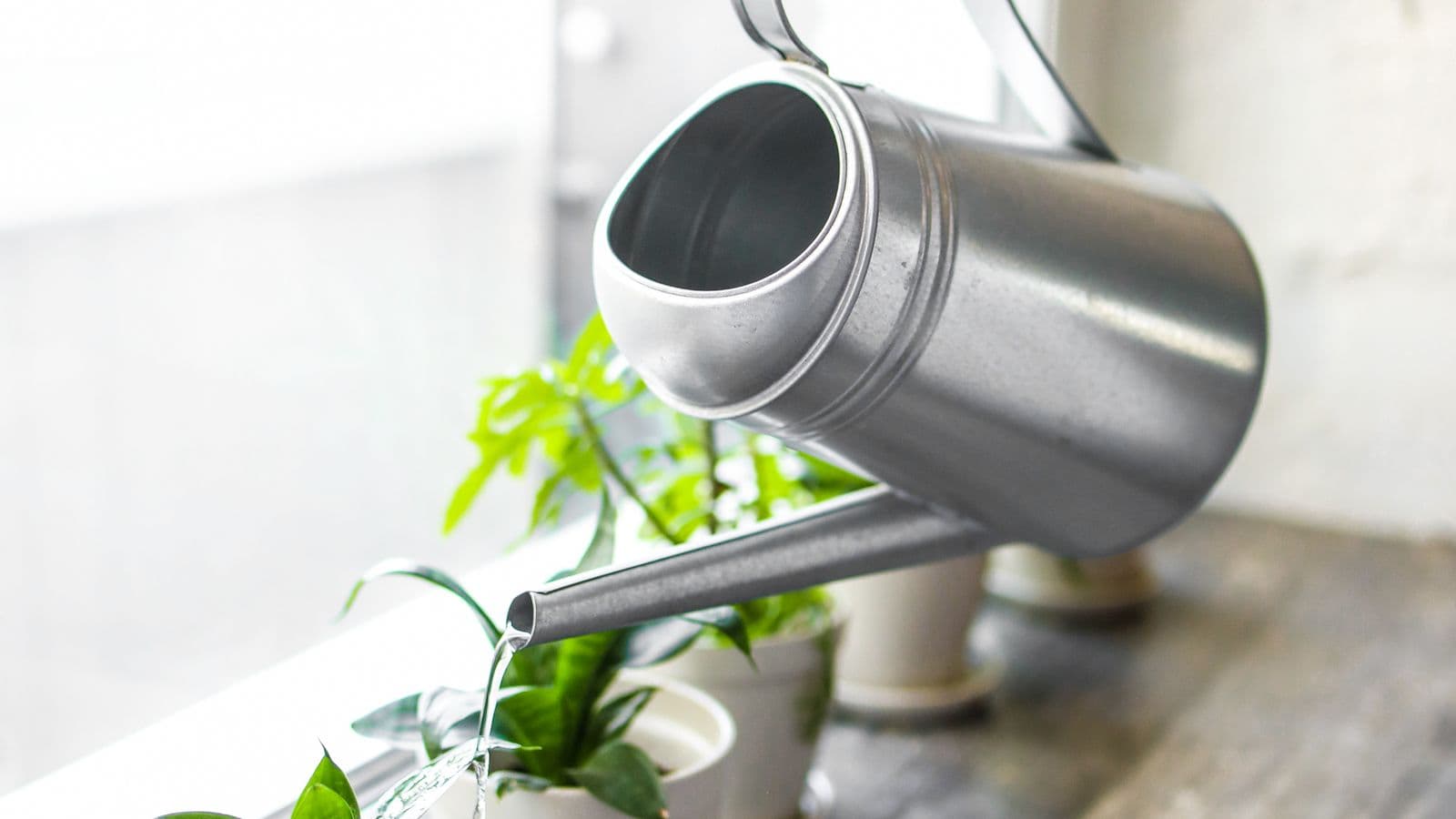
Outdoors in summer, wind and warmth dry a pot in days. Indoors in October, the same pot can stay wet for two weeks or more, and the watering habit you built through summer becomes the thing most likely to kill the plant by Christmas. Overwatering in autumn is also what turns a few hitchhiking fungus gnats into an infestation, because constantly damp compost is their nursery.
So from the day a plant comes in, check before you water rather than watering on rhythm. Push a finger a few centimetres into the compost, and if there is any moisture, wait. Feeding follows the same curve. Ease off through September, stop by October, and start again when spring growth appears.
This is the season change Folly's Smart Care schedules handle on their own. Each plant's watering interval is rebuilt from the factors that actually set demand, season and daylight among them, so the schedule stretches as autumn closes in rather than marching on at a summer pace. Tap any plant and you can see each factor and the percentage it added or removed. And before that first proper cold night, Folly's weather alerts name the plants still outside at your own site and tell you it is time.
Questions people ask
What temperature is too cold for houseplants outside?
Most tropical houseplants stop growing below about 12C and can be damaged once nights fall below 10C, well before any frost. Watch the overnight forecast rather than the daytime one, because it is the night that does the damage. Succulents and cacti tolerate colder nights if they are kept dry, but nothing tropical should ever see frost.
Should I repot houseplants when I bring them in?
No. Repotting damages roots, and a plant heading into low autumn light has no energy to repair them. Repot in spring, when new growth gives it a whole season to establish. The one exception is a pot with a serious pest problem in the compost, where a full change of compost is the treatment.
Why is my plant dropping leaves after coming back inside?
Light, mostly. Even a bright room is far dimmer than open shade outdoors, and a plant that built a summer's worth of leaves for outdoor light cannot support all of them indoors. Some shedding over the first few weeks is normal. Put it in your brightest window, keep watering modest, and let it settle. Do not feed it back to health, because it is not ill.
When should I stop feeding houseplants in the UK?
Ease off through September and stop by October. Growth slows with the light, so fertiliser goes unused and builds up in the compost instead. Start again in spring when you see new growth, not on a calendar date.
Do all houseplants need to come inside in autumn?
Anything tropical does. A few tough characters, aspidistras and some succulents among them, can stay out longer in mild or coastal spots, but they still need to be inside before frost, and autumn wind and rain do damage of their own. If in doubt, bring it in.