How to Protect Plants From Frost
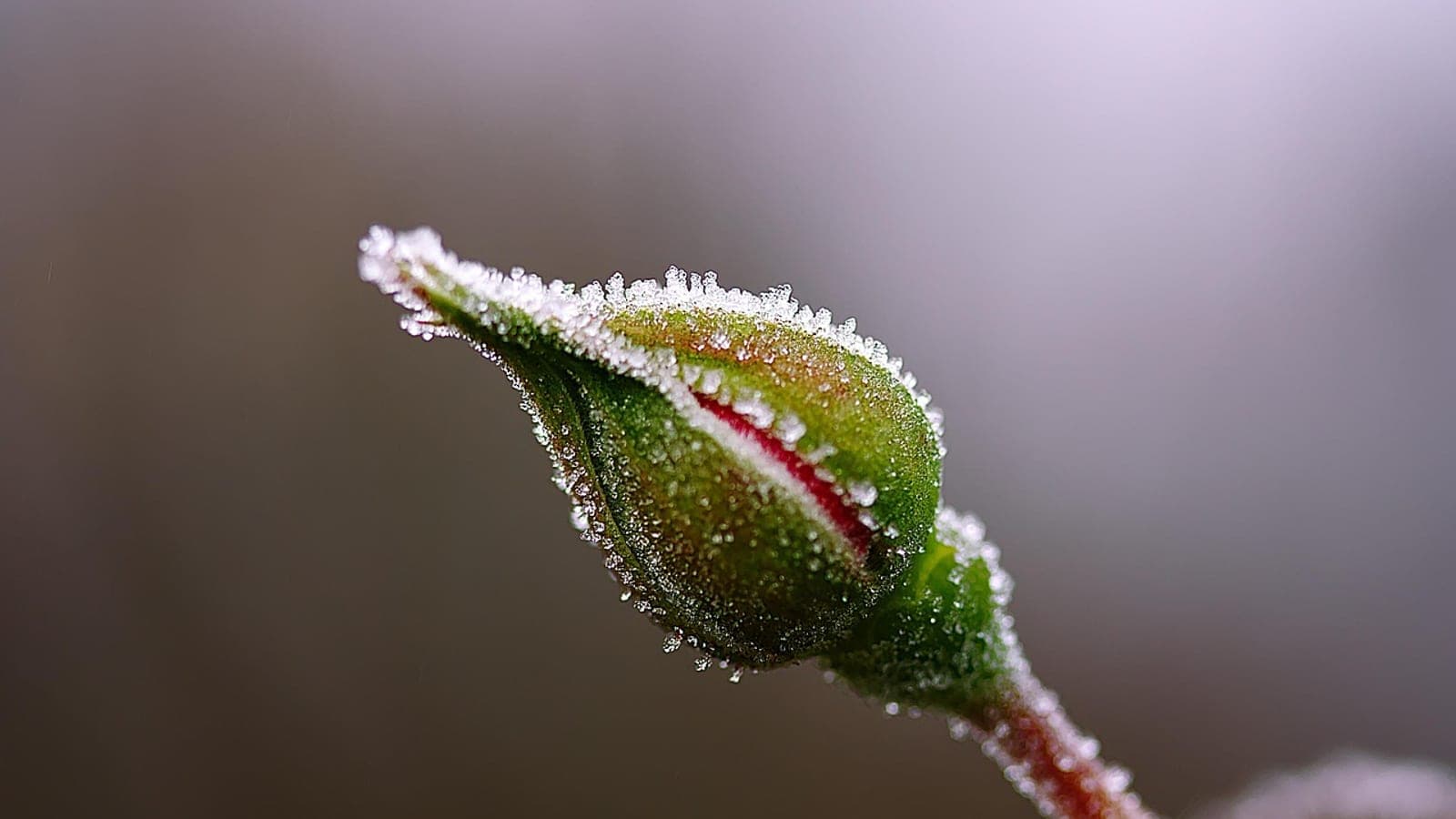
Photo by 4376257 on Pixabay
Cover tender plants before dusk, keep the cover off the leaves, wrap the pots and take it all off in the morning. Here is what works, and what does not.
The short answer
- Cover tender plants in the late afternoon, before the temperature starts to fall, and take the cover off once it has warmed up the next morning.
- Fleece, old sheets and blankets are the best covers. Keep them off the leaves with canes or a frame, and peg the edges down.
- Wrap pots as well as plants. Frozen roots kill more container plants than frozen leaves.
- Plastic, bubble wrap and buckets all work in a pinch if they are used the right way round. See below.
- Move the most tender pots somewhere sheltered, and group the rest.
What frost does, and which plants need covering
Frost freezes the water inside leaves and stems. The cells burst, and a day or two later the damage shows as blackened, soggy, collapsed growth. Hardy plants cope because they have adapted. Tender ones, such as dahlias, pelargoniums (geraniums), fuchsias, basil, tomatoes and most succulents kept outside for the summer, have not.
Cover first whatever is tender, newly planted or in a pot. Pots are the most exposed of all, because cold reaches the roots from every side instead of through the soil. A mature shrub in the ground rarely needs anything. A young courgette (zucchini) plant and a potted lemon tree do.
The calmer and clearer the night, the harder the frost. Cloud and wind keep the air moving and the temperature up, while a still, clear sky lets the heat escape. If the forecast says clear and calm, treat that night as the one to cover for.
The best covers, and how to use them
Horticultural fleece is a light, breathable fabric made for the job. The RHS says heavier grades of fleece give about 2°C (4°F) of protection from frost. That is not a lot, but it is often exactly the margin between a plant surviving and not on a borderline night. Lightweight fleece lets more light through but gives less protection, so choose a heavy grade and fold it double when the forecast is bad.
Fleece is not the only option. In a pinch, the Oregon State extension service says plants that must stay outside can be covered with straw, leaves, old blankets, sheets, burlap or row cover for insulation. Anything breathable and dry that traps a layer of air will do. Wet material does not, because it conducts the cold straight through.
Water in the morning
Do it the day before the cold night, not at dusk. Damp soil releases more stored warmth overnight than dry soil. Never water a plant when the temperature is at or below freezing.
Build a frame first
Push canes or stakes in around the plant, taller than it is. Cap each cane with an upturned plastic cup or a small pot so it cannot tear the fabric. The cover then sits on the frame, not on the leaves, because leaves that touch a cover freeze at the contact point.
Drape the cover to the ground
Take it right down to the soil all the way round. Warmth rises out of the ground overnight, and a cover that stops short lets it escape.
Anchor the edges
Use pegs, bricks or stones. A cover that blows off in the night does nothing, and a flapping one can snap stems.
Uncover in the morning
Take it off once the frost has melted and the air has warmed. Left on, a cover stops light reaching the plant and can trap heat and damp that cause rot.
Pots need their own protection
A container is a small, exposed block of compost with cold on every side, and roots are more vulnerable than leaves. The RHS advice is to wrap pots with bubble polythene or straw to stop the roots freezing. Hessian (burlap) or an old jumper (sweater) tied round the pot works too. Bubble wrap, which is sold in rolls for packing, is the same stuff.
The RHS also says containers do best in dry, sheltered areas, grouped together so they protect each other. Do that now. Push the pots against a house wall, on the side that gets least wind, and stand them on a few bricks or pot feet so the base is not sitting in frozen water. Put the tallest at the back and the tenderest in the middle of the group.
If there is a porch, greenhouse, shed with a window or an unheated conservatory, the most tender pots belong there. A greenhouse that is only unheated is not frost-free on the coldest nights, so fleece the plants inside it too.
Plastic bags, buckets and bubble wrap
These are the things most people actually have to hand at ten at night, so here is how to use each one properly.
Plastic bags and sheeting. Plastic keeps frost off, but it does not insulate well and it never breathes. Used flat against leaves, it freezes to them. Held up on canes with a layer of fleece or a blanket between plastic and plant, it works as a rain and frost shield. Always remove it in the morning, because it heats up fast in sun and can cook the plant underneath.
Buckets and pots. An upturned bucket, flowerpot or even a cardboard box over a young plant is a perfectly good short-term shelter. It traps a pocket of air and keeps frost off the foliage. Weigh it down with a stone, and lift it every morning. Do not leave it on for days, because the plant needs light and air.
Bubble wrap. Use it on pots, not on plants. Round a container it insulates the roots well. Draped over a plant it holds condensation against the leaves.
Old sheets and blankets. Honestly the best of the household options. They are breathable, they hold air, and they are big enough to reach the ground. Throw one over a frame of canes.
Whatever you use, the Oregon State advice applies. Take the material off once temperatures rise.
Which plants to protect first
Cover these first
- Dahlias and cannas
- Frost blackens the foliage overnight. Cover the crowns with a thick mulch or lift the tubers before the first hard frost.
- Pelargoniums (geraniums), fuchsias and other summer pots
- Bring them under cover, or fleece and wrap them. They have almost no tolerance.
- Young and newly planted anything
- Roots have not settled, so cold gets in. Cover until the plant is established.
- Citrus, olives and tender shrubs in containers
- Frozen compost is the killer. Wrap the pot and move it against a wall or indoors.
Usually fine outside
- Established hardy shrubs and trees
- Adapted to the cold and rooted deep. Leave them alone unless the plant is a known tender one.
- Winter vegetables such as kale and leeks
- They sweeten with a frost. A cover only matters in a hard, prolonged freeze.
- Spring bulbs and hardy perennials
- Underground, so out of reach of the cold. Mulch is plenty.
Your houseplants are not safe if they are still outside
Anything you moved out for the summer, from a rubber plant to a trailing pothos, has no frost tolerance at all and will not survive a night outside once the cold arrives. Bring them in before the first frost, not after. Our autumn checklist for bringing houseplants indoors covers how to check for pests and ease them in, and the guide to houseplant care in winter with the heating on covers what comes next.
The reverse problem exists too. A forecast heatwave is just as dangerous to plants that are not ready for it, and our guide to protecting houseplants in a heatwave works the other way round.
Timing varies with where you live. In the northern hemisphere, the first frosts typically arrive from early autumn (fall) onwards. In Australia, New Zealand and South Africa, they come as the southern autumn turns to winter. The signal is the same everywhere: a clear, still evening with the temperature dropping fast and no cloud to hold the heat.
Never be caught out by a forecast again
The hard part of frost protection is not the fleece. It is knowing which night to use it. A regional forecast low tells you little about your own garden, and nobody wants to cover everything every night of autumn.
That is where Folly helps. Folly sends local weather alerts tailored to your own plants, for frost, heat, wind and storms. When a frost is coming to your area, it names the plants at risk, and gives you a protection checklist for tonight. You cover the dahlias and the potted lemon and leave the hardy shrubs alone.
If you grow in more than one place, a flat balcony and an allotment, say, each growing site in Folly has its own location and weather, so a cold night in one does not trigger an alert for the other. For anything that looks damaged after a frost, photograph it, and Plant Doctor will tell you what is going on and what to do next.
Questions people ask
Can I protect plants from frost with plastic bags?
Only as a last resort. A bag pulled tight over a plant freezes onto the leaves and passes the cold straight through, and it traps damp and heat the moment the sun hits it. If it is all you have, prop it up on canes so it never touches the foliage, and take it off first thing in the morning. Fleece, an old sheet or a blanket does the job far better.
Does an upturned bucket protect plants from frost?
Yes, for a small plant or a young shoot. An upturned bucket or flower pot holds a pocket of warmer air around the plant and keeps frost off the leaves. Weigh it down so the wind cannot move it, and lift it every morning so the plant gets light and air.
Which horticultural fleece should I buy?
Buy a heavier grade for frost protection. Lightweight fleece lets more light through but gives less protection, so it suits growing seedlings on mild nights rather than a hard freeze. Fold it double on a very cold night, secure the edges with pegs or stones, and keep it clear of the leaves where you can.
Is bubble wrap good for protecting plants from frost?
It is excellent around pots and poor over foliage. Wrapped round a container, bubble wrap stops the roots freezing, which is where most potted plants are lost. Over the leaves it holds condensation against them, so use breathable fleece up top instead.
Should I water plants before a frost?
Water in the morning of the day before, so the compost is damp but not soggy by nightfall. Damp soil holds more heat than dry soil. Do not water at night once the temperature is falling, and never water a frozen pot.