Can Plants Go Near a Radiator?
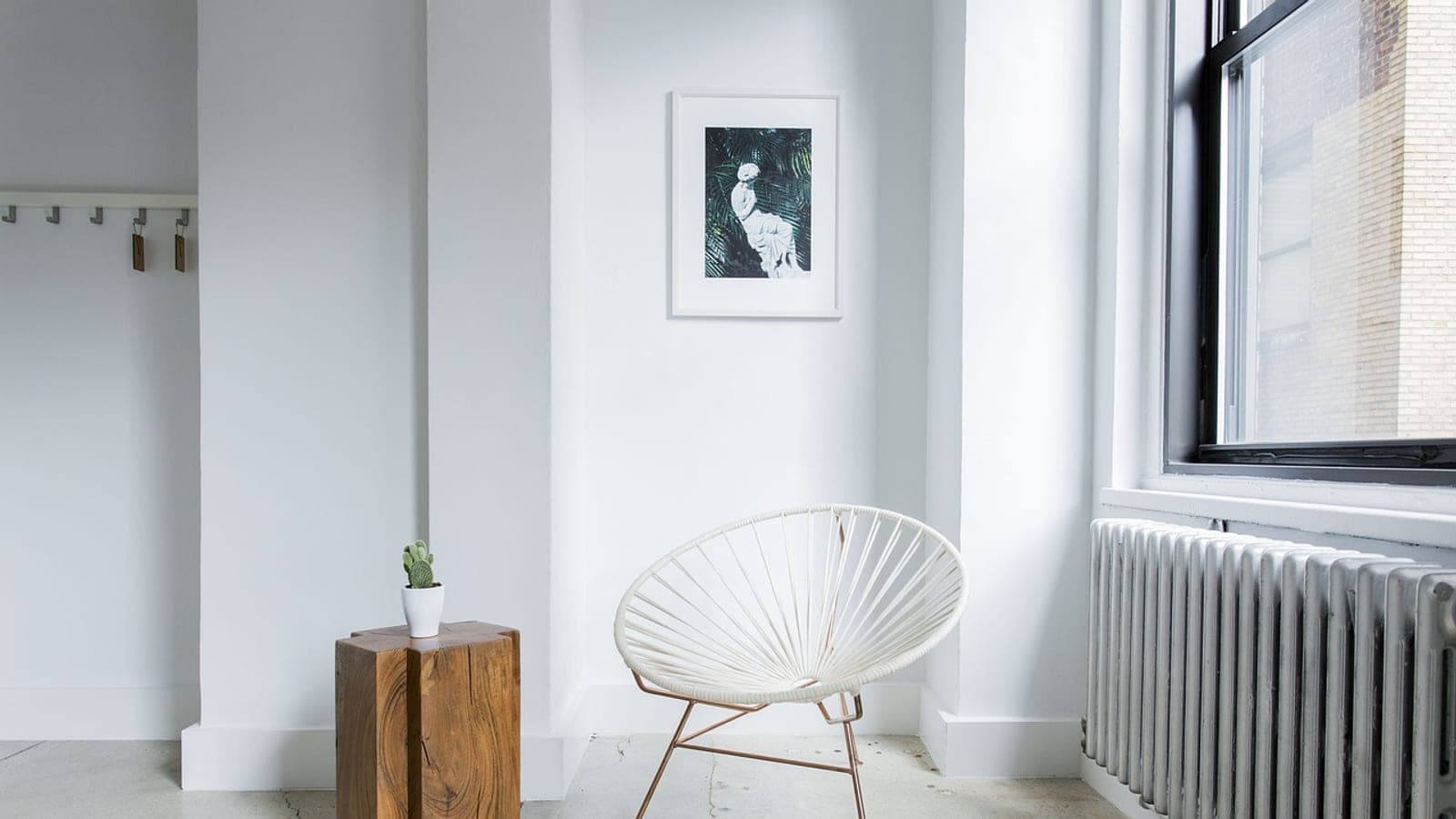
Photo by StockSnap on Pixabay
Beside a radiator, often yes. Directly above one, rarely. Which plants cope with the heat and dry air, which crisp first, and how to test a spot.
The short answer
- Beside a radiator is often fine. Directly above one, on a radiator shelf or a sill over a heater, is the worst spot in the room.
- The damage comes from two things: direct heat that scorches leaves, and dry air that pulls water out of them faster than the roots can replace it.
- Snake plants, ZZ plants, cacti and most succulents cope best. Calatheas, ferns and fittonias crisp first.
- Test the spot with your hand while the heating is on. If you can feel warm air moving where the leaves are, so can the plant.
- A warm spot does not mean more water. Check the compost at depth before you water anything near a heater.
Near is fine, above is the problem
Most plants can sit in a room with a radiator. What matters is whether they sit in the radiator's air. A radiator heats the air next to it, and that air rises in a warm, dry column up the wall and over whatever is above it. A plant a little to one side may barely notice. A plant on the shelf or windowsill directly above is standing in that column for hours a day.
The RHS is blunt about it: "Plants kept near direct sources of heat, like radiators, often suffer scorched leaves." University of Illinois Extension gives the same advice to American readers, listing hot air blasts from radiators and heating among the extreme temperature changes to avoid.
What a radiator does to a plant
It dries the air. Central heating warms the air without adding moisture, and the RHS notes that "Central heating can dry out the air indoors, which makes life tough for some plants." Illinois Extension puts a figure on it: during winter, most homes have less than 30 percent humidity. Right beside the radiator it is drier still.
It pulls water out of the leaves. In dry air, plants transpire quickly and can wilt when leaves lose water faster than the roots can take it up. In winter, with growth slowed and roots in cool compost, that gap is wider than at any other time of year.
It cooks the leaves closest to it. Thin leaves pressed against a hot panel, or hanging in the rising air above one, scorch. The RHS lists wilting, rolling, bleaching and crisping as the signs of heat stress.
It dries the pot unevenly. The side of the pot facing the radiator, and the top layer of compost, dry fast. The bottom of the pot can stay wet for days. That is how plants near heaters end up both underwatered and overwatered at once, and why brown, crisp leaf tips so often appear on the plant nearest the radiator.
It suits spider mites. Warm, dry air is where spider mites breed fastest. Fine webbing under the leaves of a plant near a heater is worth checking for every week or two over winter.
How to test the spot you have in mind
Use your hand while the heating is running
Hold your palm exactly where the leaves will be, on an evening when the radiator is hot. If you can feel warm air moving across your hand, the plant will feel it too. Still, warm air is fine. A steady warm draught is not.
Look straight up from the radiator
Anything directly above a heater sits in its plume, even on a deep sill or a high shelf. Move the plant sideways rather than upwards. A spot to one side of the radiator is usually far better than one above it.
Check what happens at night
A sill above a radiator can swing from hot during the evening to cold once the heating goes off and the curtains are closed. That swing is harder on a plant than either temperature on its own.
Watch the pot for a week
Push a finger into the compost each day. If the top dries out within a day or two of watering while the bottom stays wet, the spot is too hot for that plant, or the plant needs a smaller pot.
Keep leaves off the metal
No leaf should touch the radiator or its pipes. Turn the pot so foliage faces into the room, and keep trailing stems from hanging down over the panel.
The best plants for a spot near a radiator
The plants that cope are the ones built for dry air. Thick, waxy or fleshy leaves lose water slowly, and storage organs in the stem or roots tide them over between waterings. The ones that struggle are thin-leaved tropicals from humid forest floors.
Keep well away from the heat
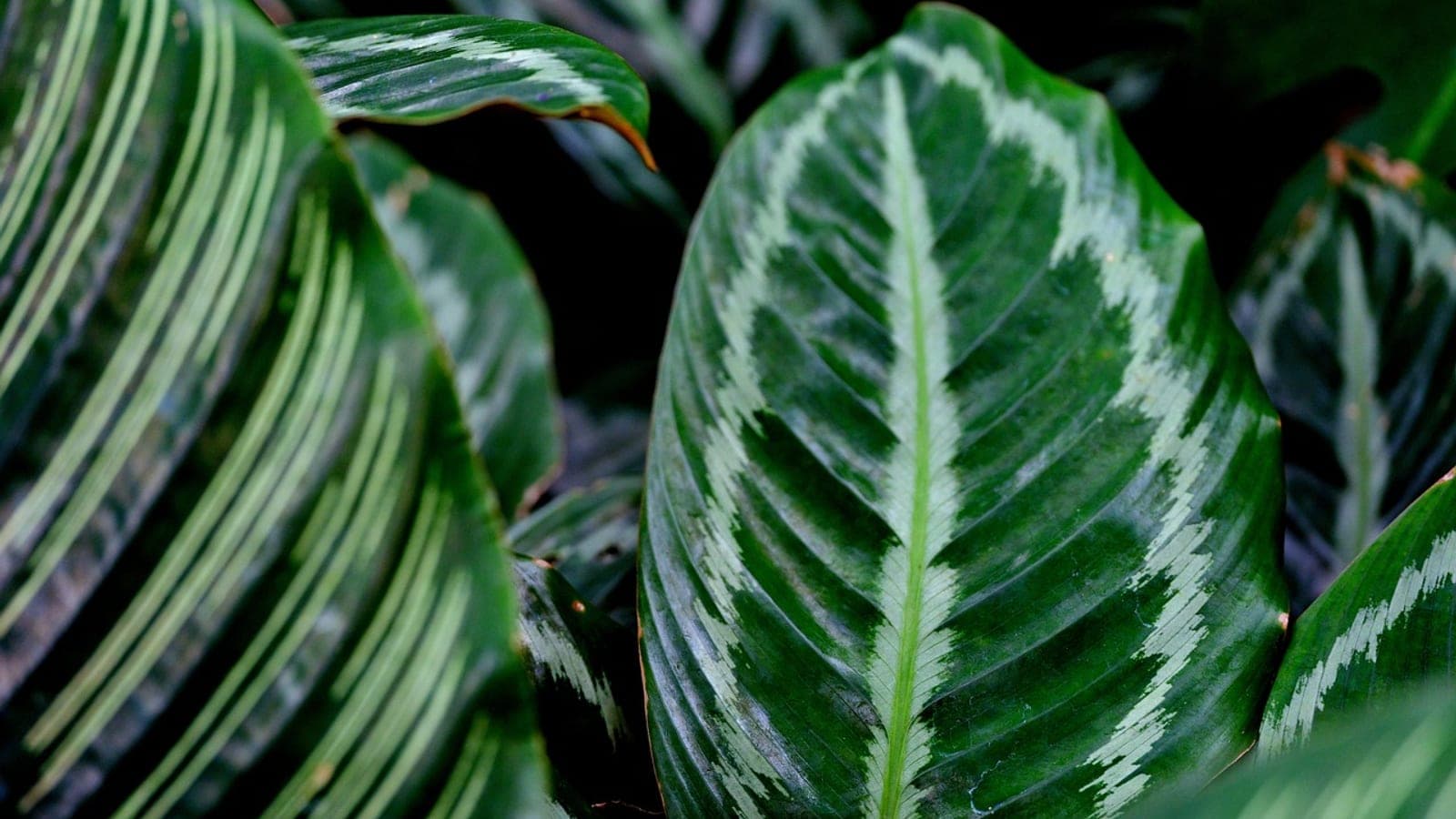
- Calatheas and marantas
- The RHS advises keeping calatheas away from direct sources of heat such as radiators. Low humidity browns their leaf tips and edges faster than anything else in the house.
- Ferns, including Boston and maidenhair ferns
- Fine, thin fronds with no water reserve. Near a heater they go crisp from the tips inward within days.
- Fittonias
- Collapse dramatically in dry, warm air. A terrarium or a bathroom suits them far better.
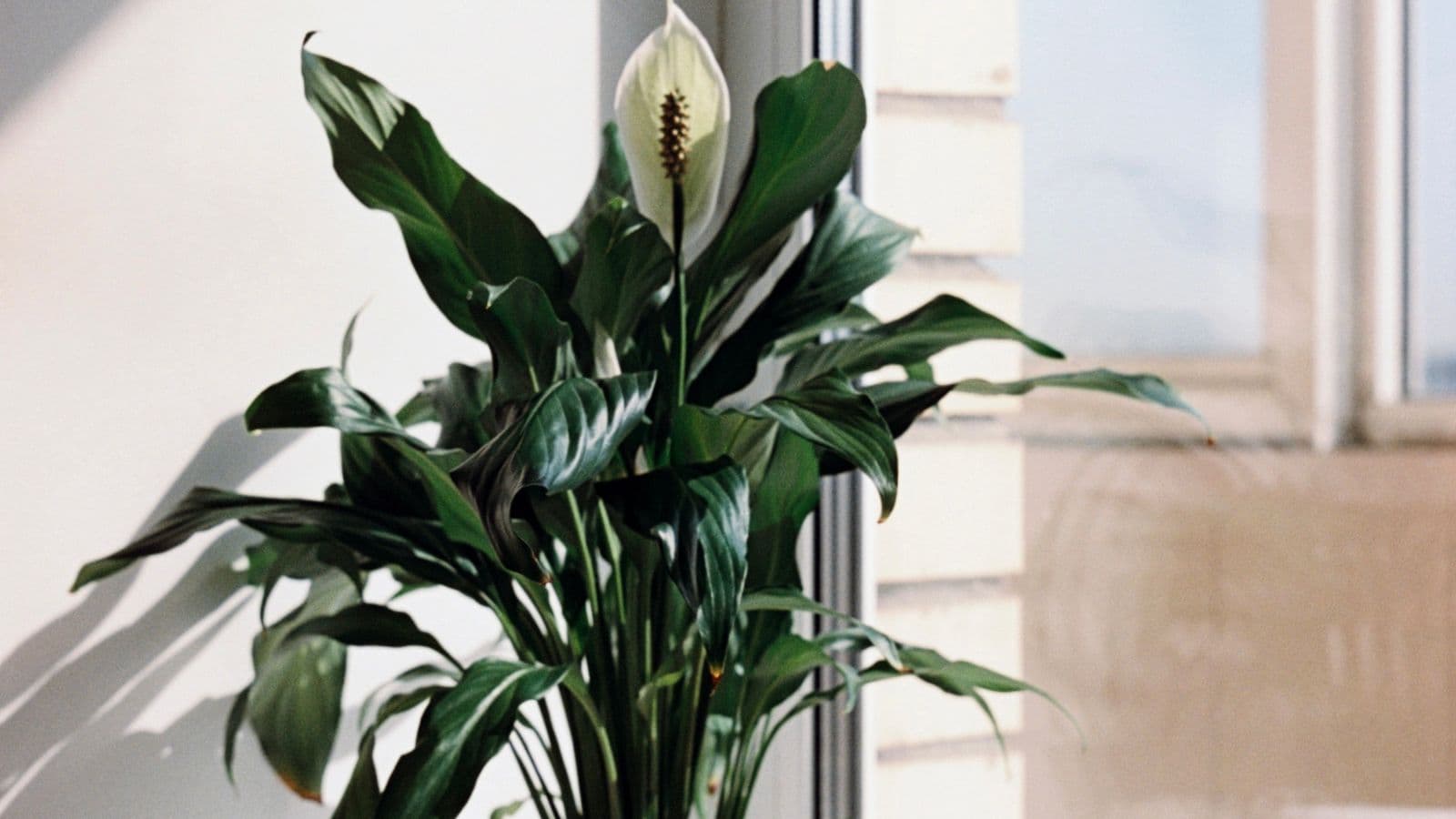
- Peace lilies
- Cope with warmth but dry out fast beside a heater, so they droop more often and need watering more than you would expect.
Cope best near a radiator
- Snake plants
- Prefer low humidity and store water in their leaves. Beside the radiator rather than above it, they barely notice.
- ZZ plants
- Thick underground rhizomes store water, and ordinary dry indoor air suits them. The usual risk is too much water, not too much heat.
- Cacti and most succulents
- Built for dry air. Many prefer a cooler winter rest, so a spot near the radiator is tolerable rather than ideal.
Snake plants and ZZ plants near a radiator
These are the two plants most people are asking about, and both are good choices with one condition attached.
Snake plants (also sold as sansevieria, being reclassified as dracaena) like low humidity. The RHS says never to mist them and to keep them away from steamy bathrooms, which makes a dry, heated room a natural fit. The RHS still says to keep them away from radiators, though, because direct heat is a different problem from dry air. Put the pot beside the radiator, not on top of it or on a shelf above. In winter, snake plants draw on the water stored in their leaves and barely need watering, so do not let a warm spot tempt you into watering more.
ZZ plants are, in Clemson Extension's words, "acclimated to arid conditions" and grow happily in ordinary indoor humidity. Their bulbous rhizomes store water, which is why they shrug off a dry room. They are sensitive to cold, so Clemson advises keeping them above 60°F, about 15°C, and a warm room suits them well. Again, the condition is distance: leaves out of the hot air plume, and watering only once the compost has fully dried.
For both, the real danger near a radiator is the pot, not the plant. The top of the compost dries quickly and looks thirsty while the lower half stays wet, and rot starts from below. Check at depth, or lift the pot and judge by weight. Our guide to how often to water houseplants covers both checks.
Making a radiator spot work
If a spot near a radiator is the brightest or only space you have, a few changes make it far kinder.
- Move sideways, not up. A plant stand or side table next to the radiator gets the warmth without the plume.
- Turn the radiator down in that room if the plants matter more than the heat there. A cooler radiator dries the air less.
- Raise humidity around the plant. The RHS suggests grouping plants together or standing them on trays, and Illinois Extension notes that pebbles in a water-filled tray help too. Keep the base of the pot above the water line. A humidifier does more than either if you have plants that genuinely need humid air.
- Skip misting as a fix. Illinois Extension notes that misting raises humidity for only a short time, and too much misting can increase disease.
- Keep the sill clear behind curtains. When curtains close over a sill above a radiator, the plant is shut into a pocket that swings from hot to cold. Leave the curtain behind the plant, or move the plant into the room at night.
Our guide to houseplant care in winter with the heating on covers the rest of the season, from light to watering.
Find plants that suit the spot you actually have
The hard part is not knowing that radiators are drying. It is knowing which of the plants you could buy will actually live in the space by your radiator, in your room, with your light, in your climate.
That is what Folly's personalised plant recommendations are for. Tell Folly about the room, its light and where you live, and it recommends plants that suit that setup, taking account of the plants you already own and which ones pair well. A warm, bright, dry living room gets different suggestions from a cool, shaded hallway, so you are choosing from plants that will cope rather than from whatever looked good in the shop.
Once a plant is in place, Folly's Smart Care schedules set its watering interval from more than fifteen attributes, including the room, light, pot and season. Tap the plant and every factor is listed with the percentage it added or removed, so you can see why a plant near the heater is on a different schedule from the same plant across the room. If leaves start to crisp or webbing appears, photograph the plant and Plant Doctor matches it against 500+ diseases and pests, with a step-by-step treatment plan, a recovery timeline and prevention notes.
Questions people ask
What are the best plants to put near a radiator?
Plants that store water and dislike humid air. Snake plants, ZZ plants, cacti and most succulents cope best, because their thick leaves and stems lose water slowly. Keep them beside the radiator rather than on a shelf directly above it, and water them sparingly. Thin-leaved tropical plants such as calatheas, ferns and fittonias are the worst choices.
Can a snake plant go near a radiator?
It is one of the better choices, as long as it is beside the radiator rather than sitting in the hot air rising from it. Snake plants like dry air and need very little water in winter. The risk is a pot that dries out on top while staying wet lower down, so check the compost at depth before watering.
Can a ZZ plant go near a radiator?
Yes, at a sensible distance. ZZ plants store water in thick underground rhizomes and cope well with ordinary dry indoor air. Keep the leaves out of the plume of hot air above the radiator and do not water more often just because the spot is warm. Overwatering kills far more ZZ plants than heat does.
How do I know if a plant is too close to a radiator?
Hold your hand where the leaves are while the heating is running. If you can feel warm air moving, the plant is too close. Other signs are leaf edges going crisp and brown, leaves curling or bleaching, compost that dries out within a day or two, and fine webbing from spider mites.
Is it safe to put a plant on a radiator shelf?
It is the hardest spot in a heated room. Hot, dry air rises straight through the leaves and the compost dries unevenly. If a radiator shelf is the only space you have, use the toughest plant you own and accept that thin-leaved plants will not last there.