Why Are My Houseplant's Leaf Tips Turning Brown?
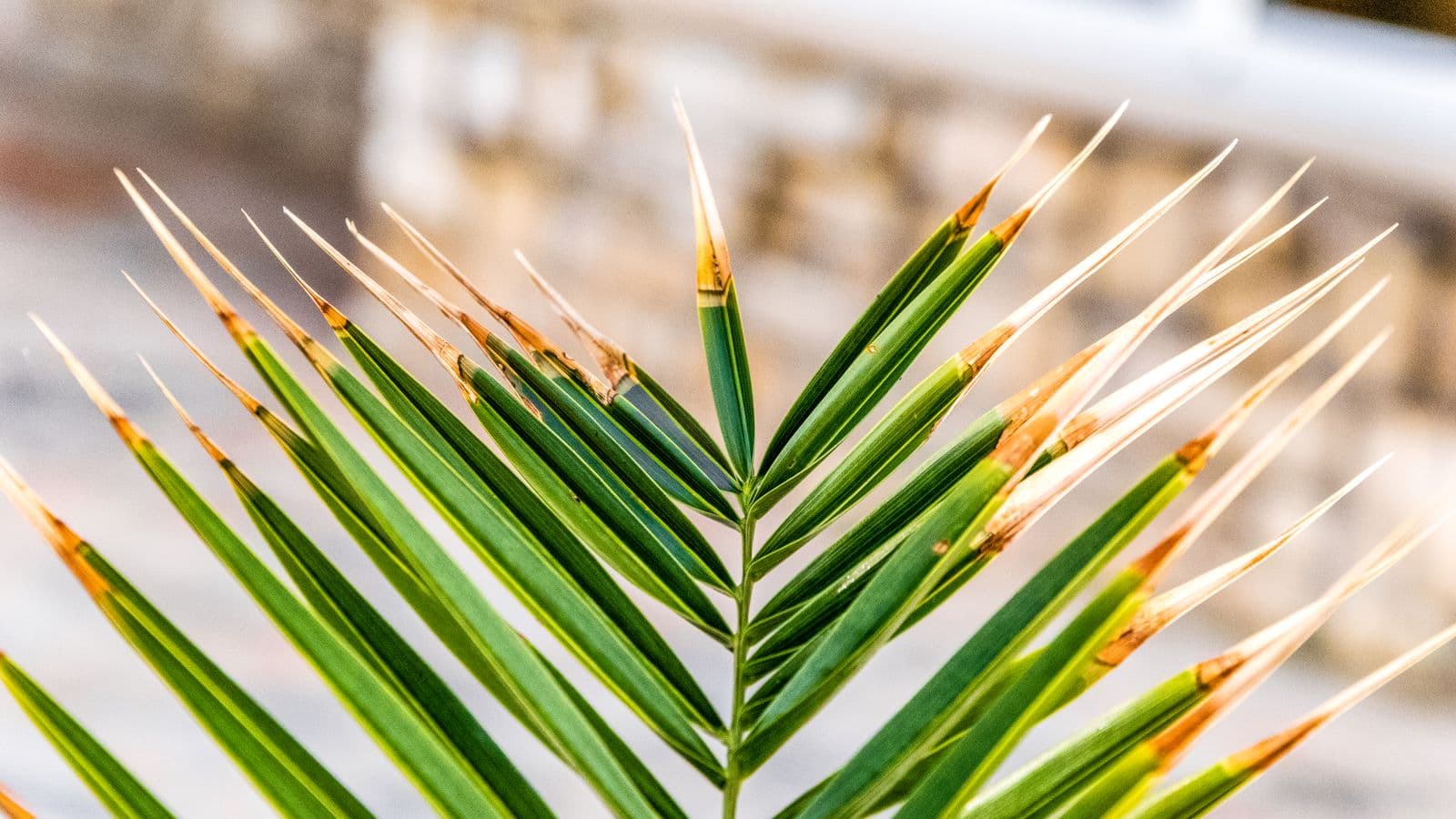
Brown tips are a symptom, not a diagnosis. How to tell dry air from salt build-up, thirst from failing roots, and what to change for each one.
The short answer
- A brown tip is where the plant ran out of water, or where too much salt piled up. It is the last stop in the plumbing, so it fails first whatever went wrong.
- Read the border. A thin papery rim with a yellow halo points at dry air or salts. Large soft brown patches point at roots.
- Tips that browned last week will not recover. Judge every change by the leaves that open next.
- Flush the pot every couple of months if you feed regularly or your water is hard.
- Trim along the leaf's own outline, leaving a hairline of brown, never straight across.
The tip of a leaf is the end of the queue
Water travels up a plant under tension, pulled from the roots to the leaf surface where it evaporates away. The tip and outer edge of every leaf sit furthest from the roots along that route. Anything in short supply runs out there first. Anything in excess, dissolved salts included, gets carried there and left behind as the water evaporates.
That is why brown tips turn up on plants with five unrelated problems. The symptom is a queue failing at its far end, and the queue does not care whether the trouble started in the air, in the compost or in the roots.
So the brown itself tells you little. What narrows it down is the shape of the damage, what borders it, and how quickly it arrived.
Read the border, not the brown
| What you see | Most likely cause | How fast it appeared |
|---|---|---|
| Thin papery brown rim with a narrow yellow band inside it | Air too dry for the species | Slowly, over weeks |
| Hard brown tip, sharply defined, no yellow halo | Salt build-up from feed or hard water | Slowly, and worst on the oldest leaves |
| Brown patches spreading in from the edge, soft rather than crisp | Roots failing, usually from compost kept wet | Over days, with lower leaves yellowing too |
| Crisp tips that all appeared at once, compost bone dry | The plant dried out completely | One event, often a fortnight before you noticed |
| Fine brown speckling with a dull, dusty leaf surface | Pests, commonly spider mites | Gradually, then quickly |
Check the oldest leaves and the newest ones separately. Damage confined to old foliage is usually accumulated salts, because those leaves have had the longest to collect them. Damage on leaves that are still unfurling points at humidity, or at roots that cannot keep up with demand.
Dry air, and why it arrives with the heating
Most of what we grow indoors came from forest floors and humid understoreys, where the air sits between 50 and 80 per cent relative humidity. A heated room in winter runs at 20 to 30 per cent, drier than a good many deserts at night. Heating does not pull water out of the air directly. It warms the air, which raises how much moisture that air could hold, and the relative figure collapses.
The leaf then loses water faster than the roots can send it up, and thin-leaved plants lose that race first. Calatheas, marantas, ferns and palms show a brown rim within a few weeks of the heating going on. A snake plant beside them shows nothing at all.
Salts: what feeding and hard water leave behind
Every watering brings dissolved minerals into the compost, and every dose of fertiliser brings a great deal more. Water evaporates from the leaves and from the compost surface. The salts stay. Given a year they concentrate enough to burn the leaf edge where they end up.
The tell is a white or pale crust on the compost surface, or a chalky ring around the inside of the pot rim. If you can see that, the leaf damage is far more likely to be salts than dry air.
Flushing clears it. Take the plant to a sink or a shower, water slowly with tepid water until a good volume has run out of the drainage holes, then repeat twice. You are washing salts down and out rather than topping the pot up, so let it drain fully before it goes back in a cover pot. Every two or three months is enough for anything you feed regularly.
Hard water makes it worse, and a few plants are unusually sensitive to the fluoride in mains supply. Dracaenas, spider plants, calatheas and prayer plants head that list. Rainwater or filtered water is worth the bother for those, and unnecessary for the rest of your collection.
When the cause is the roots, not the air
Brown that creeps in from the edge as a soft patch, rather than drying to a papery rim, usually means the roots have stopped delivering. Compost kept wet drives the air out of the pot, roots suffocate and begin to rot, and a plant with damaged roots cannot supply its leaf edges even though the pot is full of water. It looks like thirst and it is caused by the opposite.
Slide the plant out and look. Healthy roots are firm and pale. Dark, soft roots that slip out of their skin when you press them are rotting, and the answer is fresh compost, a pot that drains and a long gap before the next drink.
The other root problem is a pot that has run out of room. A root ball wound solid against the pot wall holds very little compost, so it dries within a day or two of watering and the leaf edges pay for the gap. Roots circling the base or pushing through the drainage holes are the sign.
Trimming, and what to expect afterwards
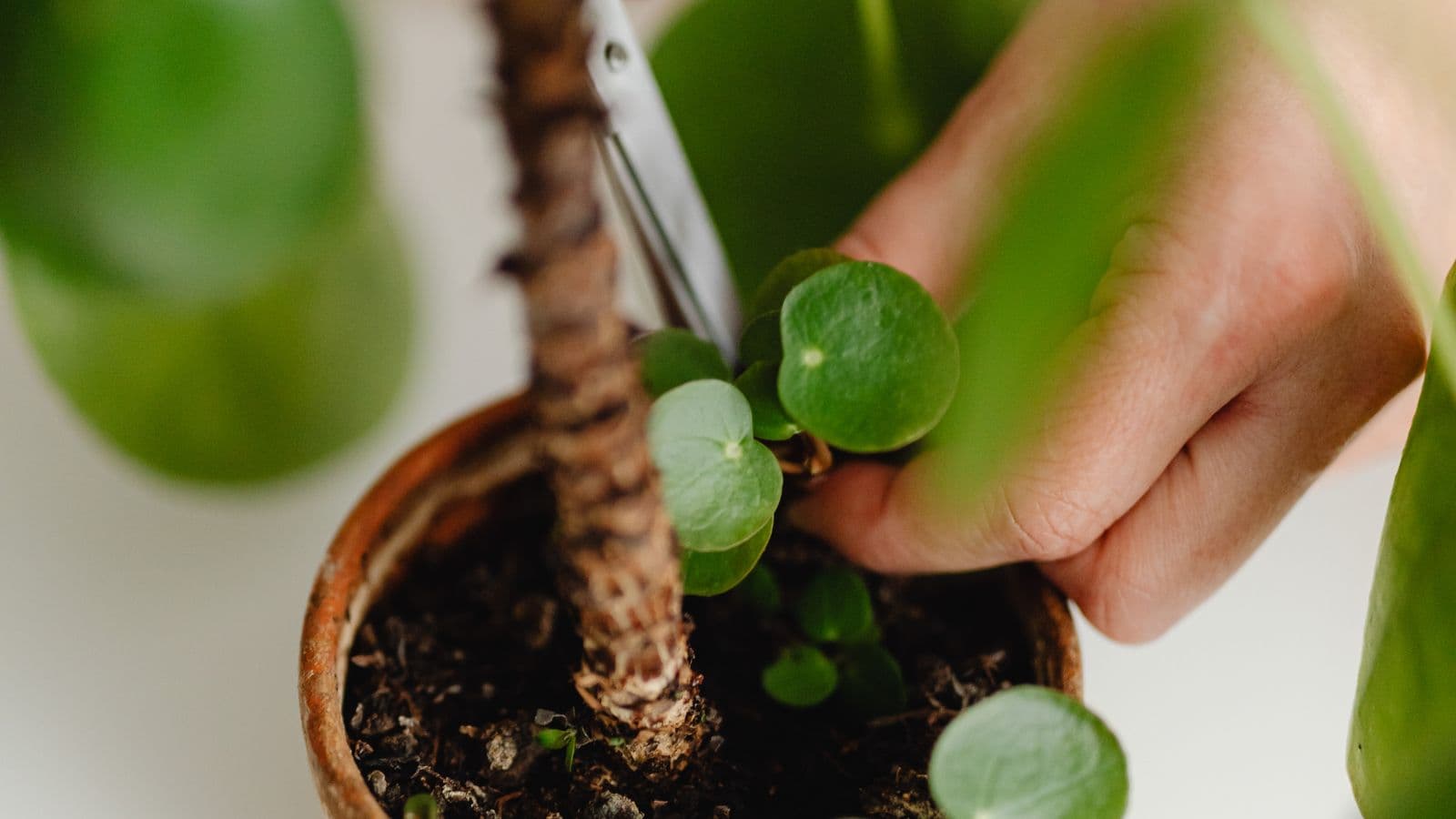
Deal with the cause first
Trim before you have changed anything and the next set of leaves browns in exactly the same way, which tells you nothing except that the problem is still there.
Use clean, sharp scissors
Wipe the blades before and after. Blunt scissors crush rather than cut, and a crushed edge heals slowly and gives fungal spores an easy way in.
Follow the leaf's own outline
Cut in a curve or a taper that mirrors the shape the leaf already has. A straight line across a pointed leaf reads as damage from across the room.
Leave a hairline of brown
Cutting into living tissue creates a fresh wound that browns within days. Staying a millimetre inside the dead edge avoids that entirely.
Only remove a whole leaf once most of it has gone
A leaf more than half brown costs the plant more than it returns. Anything less is still doing useful work, however untidy it looks.
Which plants complain first
Brown at the first sign of trouble
- Calatheas, marantas and ctenanthes
- The most demanding common houseplants for humidity and water quality at once. They will tip-burn on dry air, on hard water and on one missed watering.
- Ferns
- Thin fronds with almost no water reserve. A fortnight in heated air is enough to crisp the edges of a maidenhair.
- Dracaenas and spider plants
- Unusually sensitive to fluoride and to accumulated salts. Sharp brown tips on otherwise healthy plants are the signature.
- Palms, areca and parlour palms especially
- Brown leaflet tips are the standard palm complaint. Dry air and irregular watering both produce them.
Rarely bothered
- Snake plants and ZZ plants
- Thick leaves with real water storage and no interest in humidity. Brown tips here usually mean salts or a very long drought.
- Pothos and philodendrons
- Forgiving of dry rooms and of irregular watering. They tell you about a problem in other ways long before the tips go.
- Aspidistra
- The cast iron plant earns the name. Dry air, dim corners and neglect leave it looking much the same.
Getting the water right before the tips brown
Three of the five causes above come back to water: too little of it, too much of it, or water carrying too much dissolved salt. That is a scheduling problem more than a knowledge problem, and our guide to how often to water houseplants covers the reasoning in full. It is also what Folly's Smart Care schedules are built for.
Folly sets each plant's watering interval from more than fifteen attributes, among them the species, the pot size and material, the light in that room, the season, and the weather where you actually live. When the heating goes on and the air dries out, the schedule responds rather than marching on at a summer pace. Tap any plant and you can see every factor behind its interval with the percentage it added or removed, so you are never asked to trust a bare number. Most apps show you the number. Folly shows its working.
If you would rather have the diagnosis checked than trust your own reading of the border, photograph the leaf and Plant Doctor matches it against 500+ diseases, pests and deficiencies, then gives you a step-by-step treatment plan with a recovery timeline and prevention notes. Our guide to yellowing leaves covers the other half of the diagnostic picture, and the winter care guide deals with heated rooms in full.
Questions people ask
Should I cut the brown tips off my houseplant?
Yes, once you have dealt with the cause. Cutting first only tidies the evidence. Use clean scissors and follow the natural outline of the leaf, leaving a hairline of brown behind rather than cutting into green tissue. A fresh cut through living tissue browns again within days, so a straight chop across the leaf gives you a new brown line to look at.
Will brown tips turn green again?
Never. Dead leaf tissue cannot regrow, so the tips you can see are a permanent record of something that already happened, sometimes weeks ago. Judge whether your changes are working by the leaves that open next, not by the ones already marked.
Does misting stop brown tips?
Not on its own. A mist raises humidity around the leaf for a few minutes and the room pulls it straight back down, so you would need to mist many times a day to change anything. Grouping plants together, standing pots on a wet pebble tray, or running a small humidifier in the room all hold humidity up for hours instead of minutes.
Is tap water really causing brown tips?
Sometimes, and it depends on both the water and the plant. Hard water and regular feeding leave mineral and fertiliser salts in the compost, which concentrate at the leaf edge. Dracaenas, spider plants, calatheas and prayer plants are the usual complainers. Flushing the pot thoroughly every couple of months fixes most of it, and rainwater or filtered water helps the sensitive few.
Why does only one of my plants have brown tips?
Because the conditions in one spot are not the conditions in the room. A pot on a shelf above a radiator, in a draught from a door, or too small for the roots inside it is living somewhere measurably different from the plant a metre away. Compare the position and the pot before you blame the species.
Keep reading
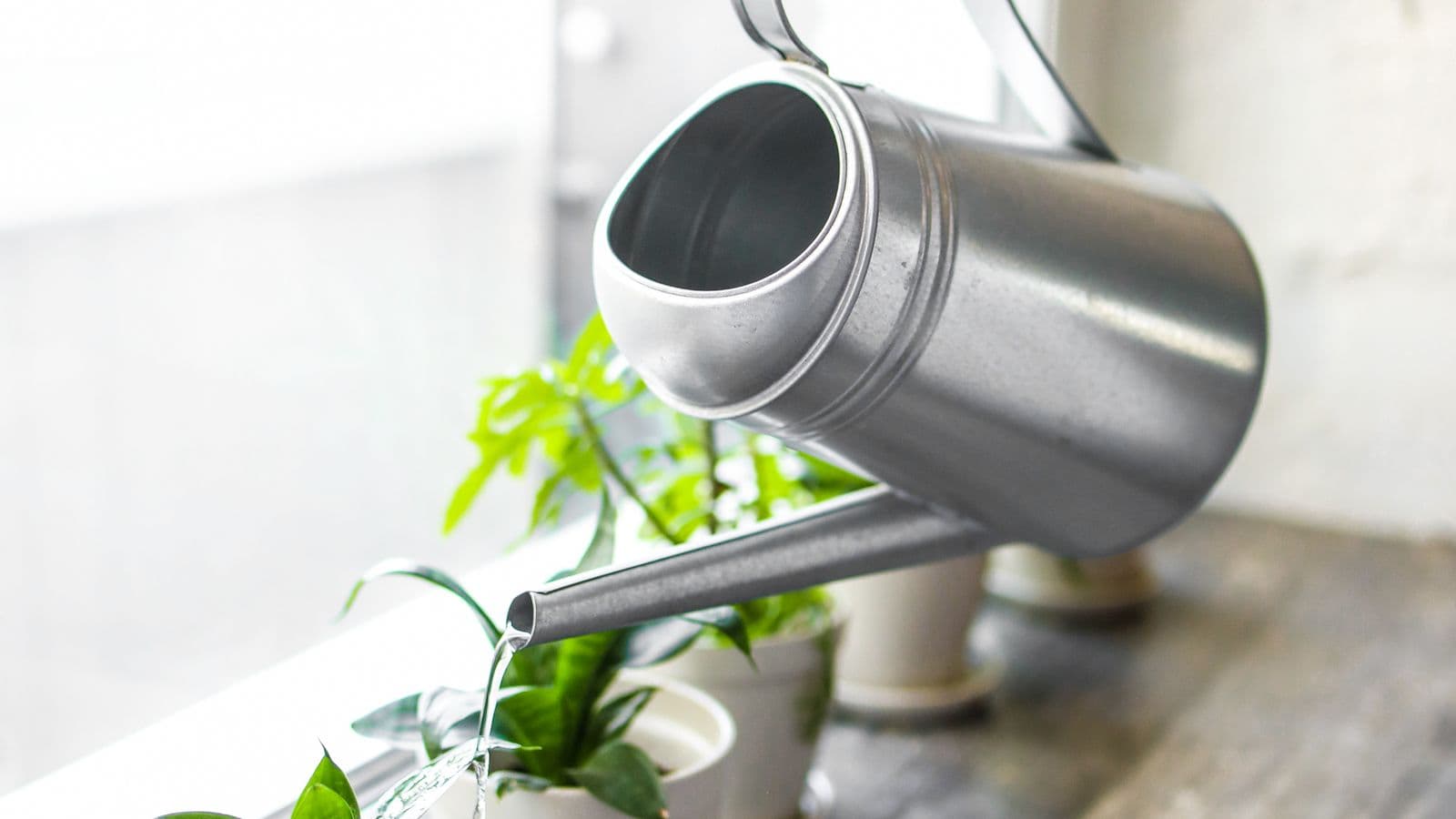
How Often Should You Water Houseplants?
Once a week is the answer that kills plants. What actually sets a watering interval, how to read a pot in ten seconds, and how to water properly.
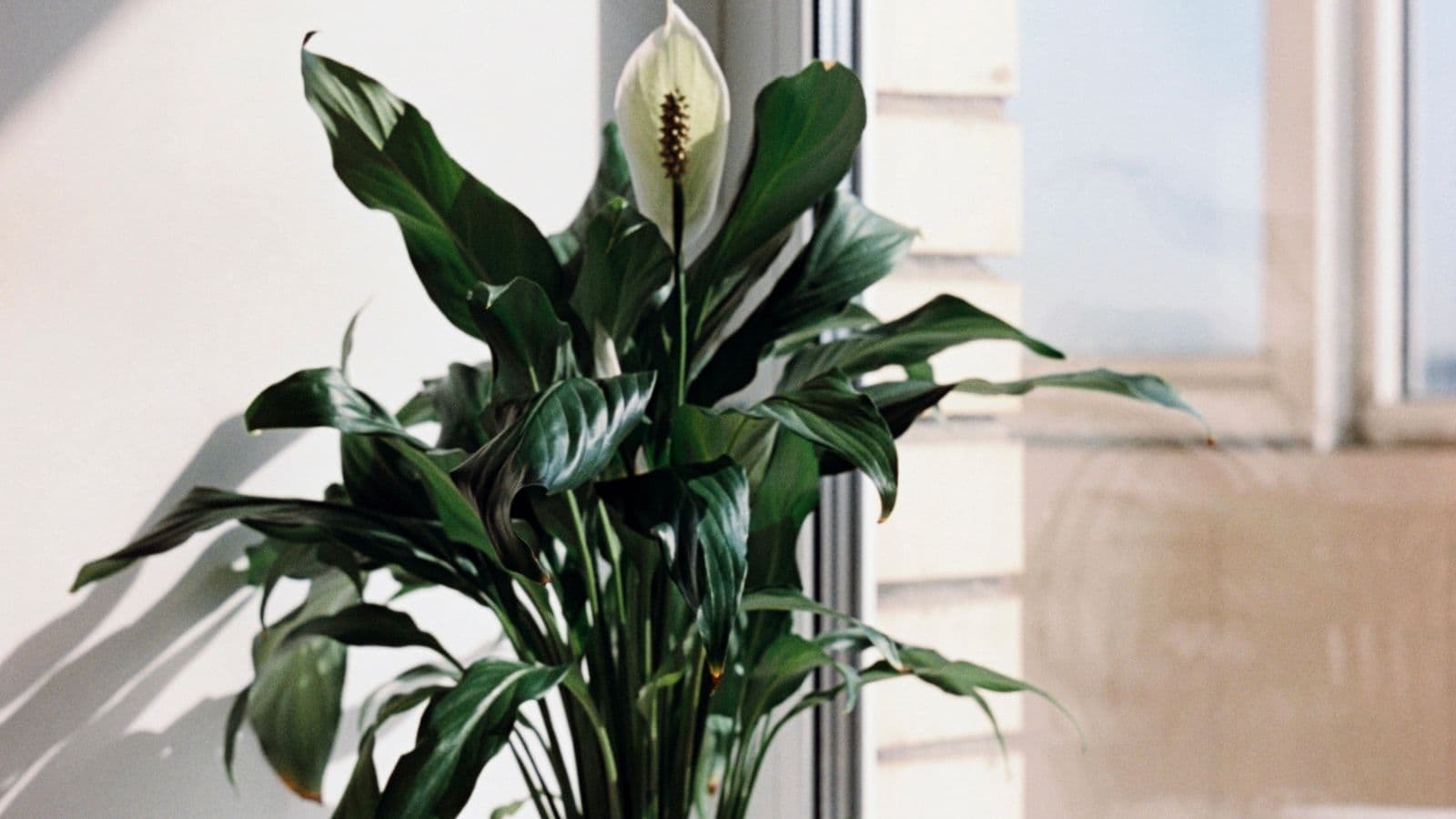
Why Is My Peace Lily Drooping, and How to Revive It
A drooping peace lily is usually thirsty and recovers in hours. Here is how to tell that apart from root rot, cold and shock, and what to do for each.
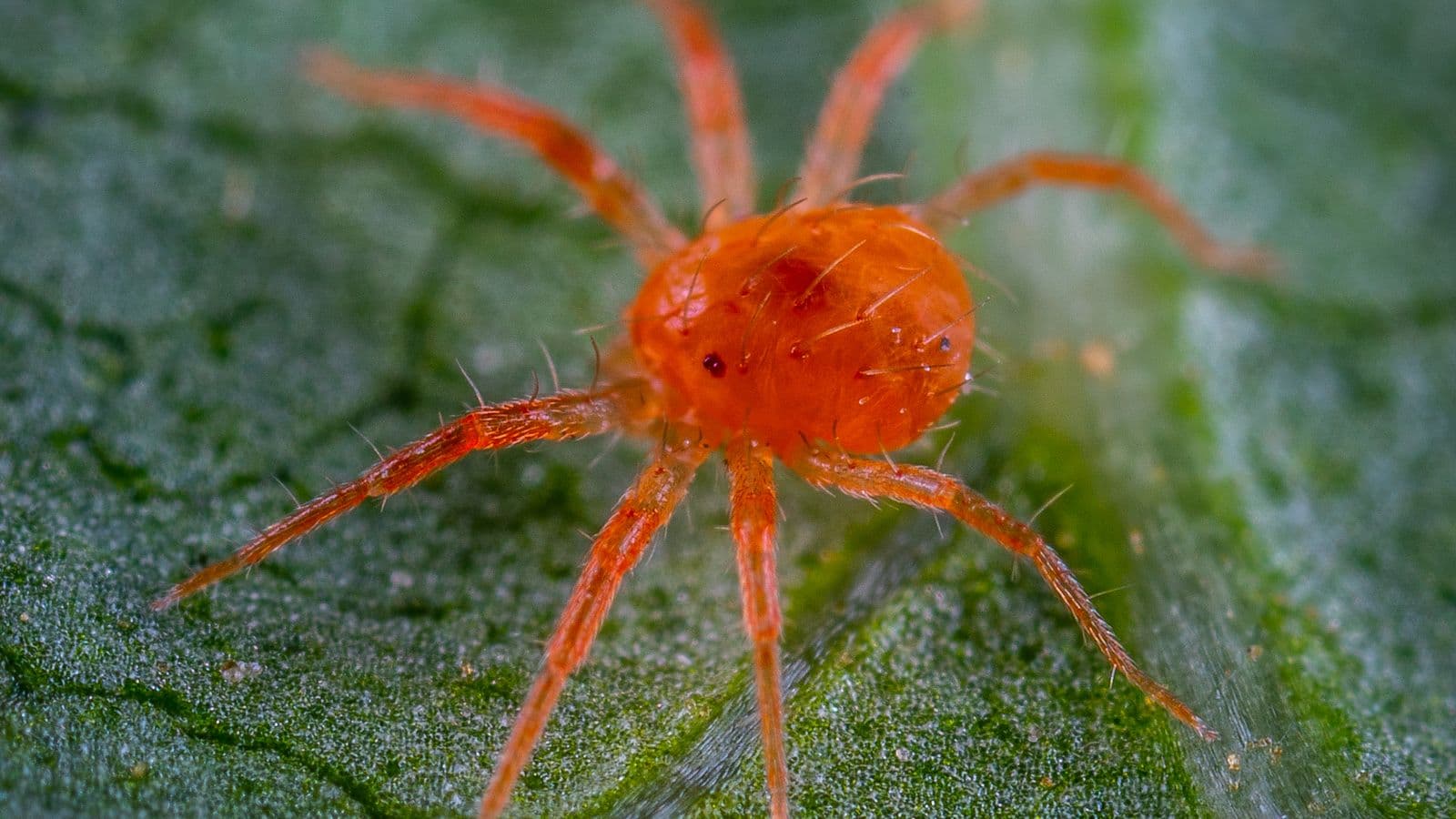
How to Get Rid of Spider Mites on Houseplants
Spider mites explode in heated rooms and hide under the leaves. A three week plan that breaks the egg cycle, plus how to spot them before the webbing.