Scale Insects on Houseplants: How to Spot and Get Rid of Them
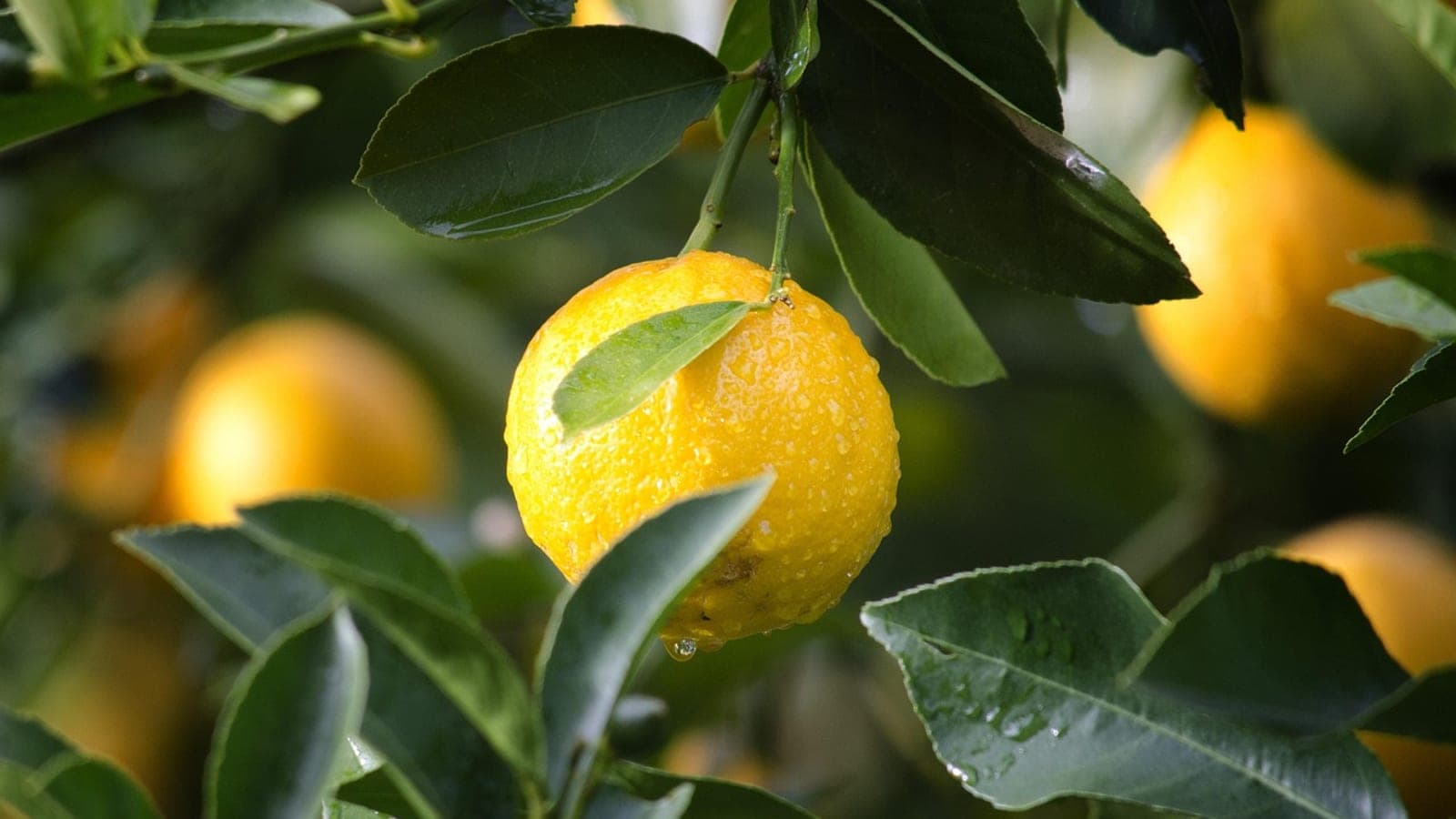
Photo by Pexels on Pixabay
Sticky leaves and small brown bumps on the stems are usually scale insects. How to confirm it, remove them by hand and stop them coming back.
The short answer
- Small, hard, brown or tan bumps on stems and leaf veins that do not move are scale insects. A sticky film on the leaves below is their honeydew.
- Scrape one with a fingernail. If a tiny shell lifts off with a soft body underneath, it is scale.
- Early on, removing them by hand works. Scrape or wipe every one off, then wash the plant.
- The adults are shielded by a waxy shell, so sprays work best on the young crawlers. Repeat weekly until several checks in a row come up clean.
- Isolate the plant, check its neighbours, and look at the undersides and stems every time you water.
What scale insects look like
Scale insects look like part of the plant. They are small, flat or domed bumps, brown, tan or sometimes pale, stuck to stems and along the midrib of the leaf. The RHS notes that adult scale insects are usually covered in a waxy, shell-like cover, and that they range from under 1 mm to over 1 cm across (a tiny dot up to about half an inch). Adults are small and immobile with no visible legs, which is why people assume they are a growth or a disease of the plant.
They are not. Each bump is an insect that has settled in one spot and is drinking sap. Their young, called crawlers, are the stage that moves, and they also feed by sucking sap. That is how a single bump on one stem becomes a row of them, and how they reach the plant next door.
How to confirm it
Sticky leaves are the clue most people notice first, and they are not enough on their own. Run through these before you treat anything.
Touch the leaf
A sticky or shiny film on the leaves, or on the windowsill or floor beneath the plant, is honeydew. It comes from whatever is feeding above it.
Look above the sticky patch
Honeydew drips, so the pest is higher up. Check the stems, the leaf joints and the underside of the leaves along the midrib.
Scrape one bump with a fingernail
A scale lifts off as a small shell, often with a soft body or a smear of fluid beneath. A natural blemish or a bit of cork on the stem does not.
Check for black on the leaves
A sooty black film on top of the sticky patch is sooty mould growing on the honeydew. It wipes off, and it tells you the problem has been there a while.
Look for ants
Ants are drawn to honeydew. Ants walking up a houseplant are worth following to see what they are feeding on.
The sticky part is worth understanding because it tells you which type you have. The Clemson extension service explains that soft scales excrete honeydew, which leads to sooty mould, while armoured (armored) scales do not. So a sticky plant points to soft scale. A plant with bumps but no stickiness may still have scale, just the armoured kind, and the removal steps below are the same for both.
Honeydew also attracts ants and fouls the plants and surfaces beneath. Sticky windowsills are a nuisance, and the sooty mould that grows on them blocks light from the leaf.
Getting rid of them: the steps
The waxy covering is the whole difficulty. The Clemson factsheet is blunt that adult scales are relatively protected from insecticides by it. That is why this is mostly a job for your fingers, and why one spray never finishes it.
Day 1: remove the adults by hand
Scrape each bump off with a fingernail or the blunt edge of a plastic spoon, or rub it off with a soft damp cloth. Work along every stem and down both sides of each leaf. The extension advice is that early infestations can be removed by scraping, so start while there are only a few.
Day 1: cut away what you cannot clean
A leaf that is crusted with scale and curling, or a stem tip that is thick with them, is quicker to cut off than to scrape. Bag the cuttings and bin them straight away.
Day 1: wash the whole plant
Rinse it in the shower or a sink with tepid water, and wipe the leaves with a damp cloth. This removes honeydew and sooty mould, and a clean leaf makes the next generation easier to see.
Next: treat for the crawlers
The young crawlers have no armour yet. The same factsheet says their crawlers are susceptible to many insecticides, such as insecticidal soap. Use a product of that type, check it is approved for houseplants where you live and follow the label. Cover the stems, the leaf joints and the undersides.
Weekly for several weeks: check and repeat
Go over every stem and every leaf underside once a week. Scrape off anything new and repeat the wash and the treatment if you find crawlers. Stop only when several weekly checks in a row come up clean.
Hand removal has limits. The RHS says adult scales and egg masses can be removed when seen, but this may not reduce large populations. A big plant that is thick with scale is a case for cutting back hard, or for replacing it, not for a long campaign that never ends.
If you have met the same routine for spider mites, the logic is familiar: remove what you can, treat the young stage, and repeat until a full cycle comes up clean. Scale is slower to arrive and slower to leave.
Why they keep coming back
Indoors there is no cold season to slow them and no predator to eat them. The RHS says scale insects in greenhouses can breed continuously throughout the year, and the same is true of a warm room. It also says several species are confined to houseplants, greenhouses and other sheltered places, so a few missed bumps are enough to restart the cycle.
Three habits stop that.
Quarantine new plants. Keep anything new on its own for a couple of weeks. Check the stems and leaf undersides before it joins the others.
Check after time outdoors. Plants that have spent the warm months outside come back in carrying passengers. Our checklist for bringing houseplants back indoors is written for UK autumns, but the inspection steps apply wherever you are.
Look while you water. Turn two or three leaves over and run a finger along a stem. It takes seconds, and it is the difference between a quick scrape and weeks of repeats.
A plant that is already weak is the one that suffers most. If yours is yellowing and dropping leaves as well, our step-by-step recovery guide for a dying houseplant shows how to tell the pest from the other causes.
Scale on lemon trees and orchids
Two plants come up in searches more than any other, because both are kept for years and both have crevices that scale loves.
Lemon and other citrus. Glossy leaves, woody stems and years spent indoors suit scale very well. Check the stems and the veins on the underside of every leaf, and clean sooty leaves with a damp cloth so the plant can photosynthesise properly. Orchids. The pest hides where leaf meets stem, under the pseudobulbs and along the flower spike. Use a soft cloth rather than a fingernail on the leaves themselves, and take your time at the base of each leaf.
Check these first
- Citrus, including lemon and calamondin
- Woody stems, glossy leaves and years spent indoors. Scale tucks along the veins and stems, and sooty mould shows up on the leaves below.
- Orchids
- Leaf bases, pseudobulbs and flower spikes give them plenty of places to hide.
- Ficus, including rubber plants, and other glossy-leaved plants
- Thick, glossy leaves and woody stems. Check the underside of the midrib.
Less often troubled
- Succulents with fleshy rosettes
- Mealybugs are more common on them. Different pest, same hand removal.
- Plants with thin, soft leaves
- Aphids and mites are likelier than scale. Check which pest you have first.
Let Plant Doctor confirm it
Brown bumps on a stem can be scale, a bit of natural bark, or a different pest altogether, and sticky leaves have several causes. Weeks of treatment are a lot of effort to spend on a wrong guess.
Photograph the leaf or stem in Folly and Plant Doctor diagnoses it from 500+ diseases and pests, free on every plan. You get the likely cause, what it looks like, what causes it, how to prevent it and what to do first. If it finds a problem it can treat, Pro adds a recovery plan: a day-by-day plan for that plant with check-ins on set days, reminders and an optional photo. While a plan runs, the plant's usual watering and feeding reminders pause, so you are not adding water to a stressed plant.
The other half is care that suits each plant. Folly's Smart Care schedules are built on 15+ attributes, and you can tap any plant to see every factor behind its watering interval, with the percentage it added or removed. Folly shows its working. Notes with photos, free on every plan, are a handy place to record what you found on each check, so you can see whether the bumps are spreading.
Questions people ask
How do I know if it is scale insects and not something else?
Look for small, firm bumps on the stems and along the leaf veins that do not move. Scrape one with a fingernail. A scale comes away as a tiny shell with a soft body underneath, where a plant blemish just smears. Sticky leaves and a dusting of black on top of them point the same way.
Why are the leaves on my plant sticky?
Usually honeydew, the sugary waste that soft scales and mealybugs excrete as they feed. It lands on the leaves below, so check the stems and leaf undersides above the sticky patch. Wipe the leaves clean and look for the bumps. If you find none, check for aphids and whitefly too.
Do scale insects live on lemon trees and other citrus?
Yes, citrus are a favourite, especially when they spend the cold months indoors. The routine is the same: check the stems, leaf veins and undersides, scrape off what you find, wash the leaves and repeat the check weekly. Citrus tolerate being wiped down well.
Can scale insects live on orchids?
They can. They hide in the leaf bases, along the underside of the midrib and on flower spikes. Treat them the same way, working gently with a soft damp cloth, and look at the point where the leaf meets the pseudobulb or stem, because that is where they shelter.
Will scale insects go away on their own?
No. Indoors there is no winter to stop them and nothing to eat them, so a few turn into dozens within a season. Early on, hand removal is enough. Left alone, they weaken the plant and the honeydew grows sooty mould.
Can scale spread to my other plants?
Yes. The young crawlers walk onto touching leaves and onto your hands and sleeves. Move the affected plant apart from the others as soon as you find it and check every plant it was standing near, stems included.