How to Save a Dying Houseplant: A Step-by-Step Recovery Plan

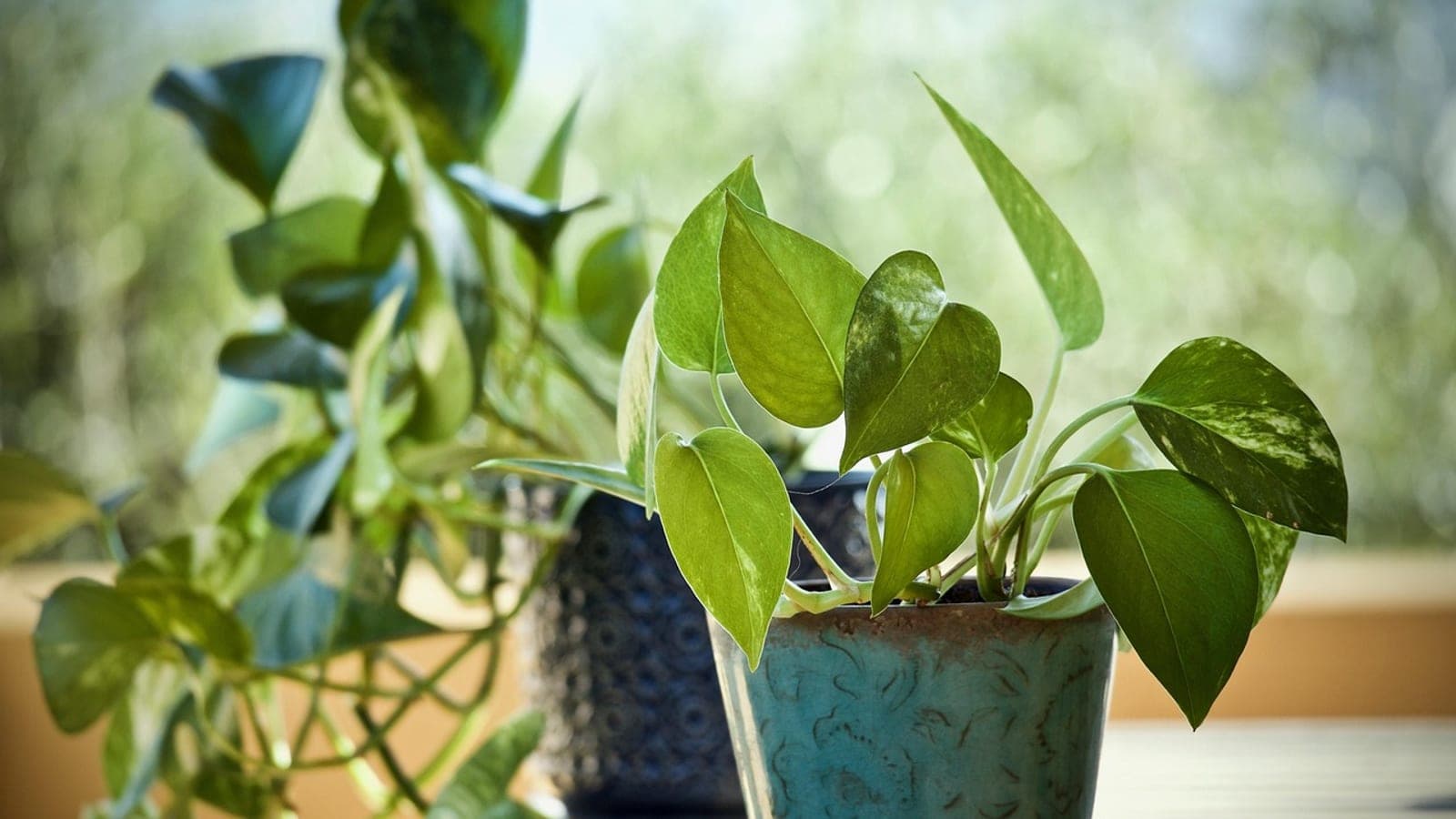
Photo by SpencerWing on Pixabay
A struggling houseplant can often be saved while its stems are green inside. How to check, find the cause, act today and nurse it back over the weeks after.
The short answer
- Scratch a stem with your fingernail. Green underneath means the plant is alive and worth saving.
- Look at the roots before you water. White and firm is healthy. Dark brown to black, and soft, means too much water.
- Fix the cause before anything else. Feeding is not first aid, and repot only if the roots are rotten or have filled the pot.
- Expect weeks, not days. Damaged leaves will not recover, and new growth is the sign it is working.
- Check in every few days, photograph it from the same spot, and change course if it is getting worse.
Is it dying, or already dead?
The quickest test comes from Illinois Extension: scrape a stem with your fingernail, and if you see green underneath, the plant still has a chance. Brown and dry all the way through means that stem has gone, so try a few, including any near the base. One living stem is enough to start from.
Firm stems, a bud at the base or a single new shoot among dead ones all count as alive. A plant that has dried to a crisp from top to bottom is a different matter, because once a plant goes crispy, very little will bring it back. If every stem is brown and dry inside, the plant has gone. If even one is still green, a cutting from it can give you the same plant again.
A few yellowing lower leaves on a plant that is otherwise growing do not mean it is dying. Our guide to why houseplant leaves turn yellow explains how to tell ordinary leaf loss from a problem.
Look at the roots before you water
Most struggling houseplants have a watering problem, too much or too little. Clemson's extension service puts it plainly: over- or under-watering is a major contributor to houseplant decline. The trouble is that the two look alike from across the room. Overwatering kills roots from a lack of oxygen, and a plant with dead roots wilts because it can no longer take up water. It looks thirsty, and the instinct to water it is what finishes it off. The peace lily guide shows the same trap on one plant.
So check the roots first. Sarah Vogel, a horticulture educator at Illinois Extension, says that healthy plants generally have white roots, that rusty orange to light brown roots point to underwatering, and that dark brown to black roots point to overwatering.
Feel the compost
Push a finger into the compost (potting mix) past the surface. Dry and light all the way down points to thirst. Still cool, wet and heavy several days after watering points to roots sitting in water.
Ease the plant out of its pot
Hold it at the base of the stems, tip the pot on its side and slide the root ball out. Do not pull it by the leaves, wash the roots or cut anything yet.
Read the colour
White and firm is healthy. Rusty orange to light brown suggests too little water. Dark brown to black, and soft to the touch, suggests too much.
Check for a solid root ball
Roots circling the pot with little compost left between them mean the plant has run out of room. There is too little compost to hold water for all those roots, so it dries out fast and wilts.
Find the cause
Water is the usual answer, but not the only one. Check the rest even if you found a watering problem, because more than one can be true at once.
- Light. A plant moved somewhere darker stalls and drops leaves. One moved into strong direct sun it is not used to scorches, with pale or brown patches on the side facing the window.
- Heat and cold. Radiators, heaters and air vents dry plants out fast, and cold glass or draughts (drafts) on winter nights damage tropical plants. Our guide to plants near radiators covers which spots to avoid.
- Pests. Look under the leaves and along the stems. Fine webbing and speckled leaves suggest spider mites. Small flies over damp compost are fungus gnats, which point back to compost staying too wet.
- Feeding. Clemson lists too much fertiliser (fertilizer) and a build-up of salts alongside thirst, excess water and root rot as common causes of wilting.
- A recent change. A move, a repot or a new home all set a plant back for a while. If nothing else is wrong, steady care and patience are the fix.
What to do today
Once you know the cause, the fix is usually physical: change what the plant is sitting in, standing near or being given. Illinois Extension is blunt that reaching for fertiliser or household pesticides is not an appropriate first response, because cultural or environmental conditions are often the culprit.
If the roots are wet and dark
Stop watering. Tip out any water in the saucer or outer pot, never leave the plant standing in it, and wait until the compost is quite dry below the surface.
If some roots are rotten
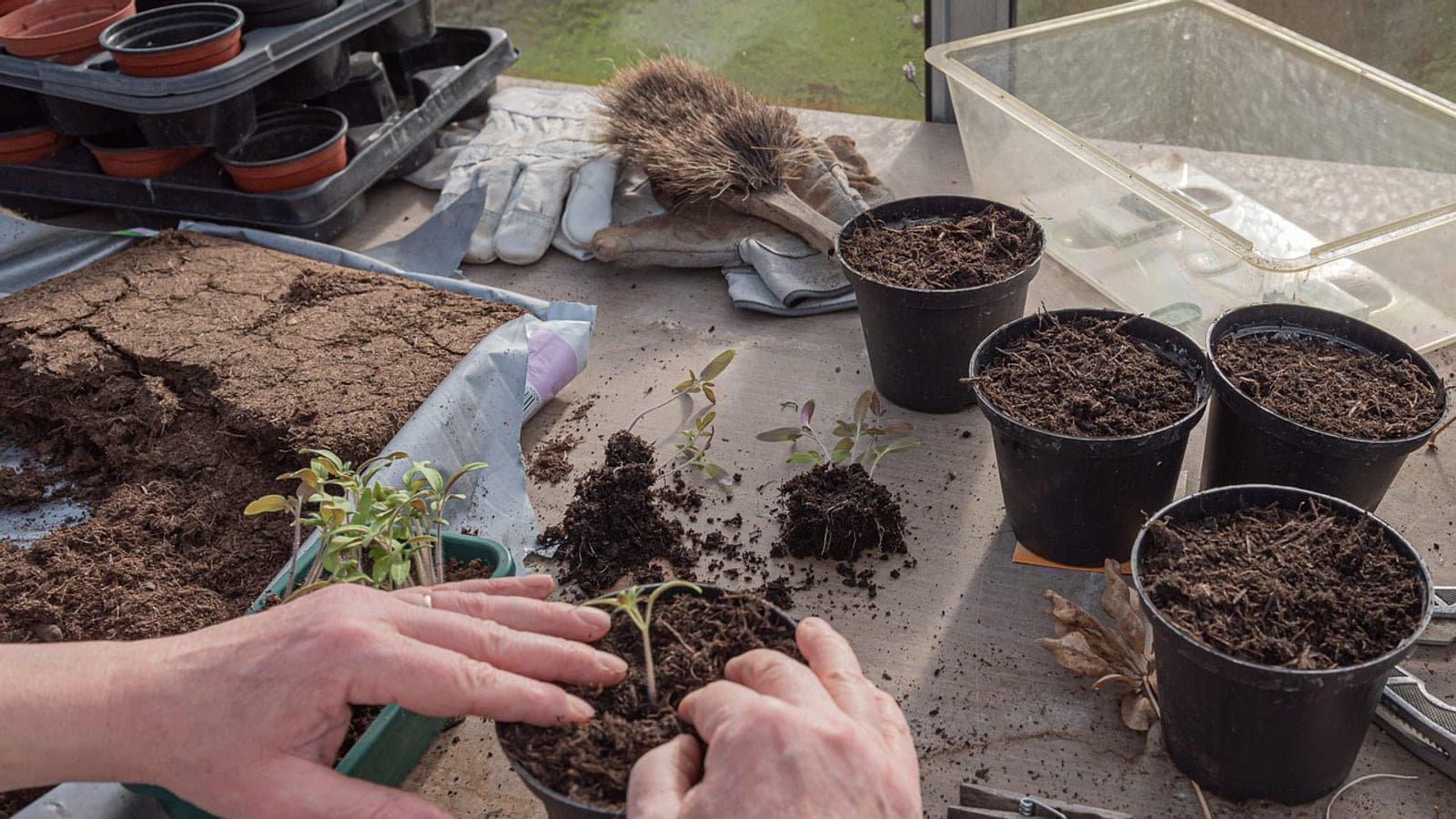
Cut out the soft, dark roots with clean scissors and repot into fresh compost, in a pot with drainage holes. If most of the roots are dark, soft and dead, the plant is unlikely to recover in the pot, so take cuttings instead.
If the compost is bone dry
Very dry compost shrinks away from the side of the pot, so water runs straight through. Stand the pot in a sink or bowl of water until the compost is moist all the way through, then let it drain.
If the spot is wrong
Move it out of harsh direct sun, away from radiators and heaters, and off cold windowsills at night. Then leave it there, because moving it again every few days adds more stress.
Trim what is dead
Cut dead growth back, ideally to just above a node, the point where a leaf joins the stem. Leave anything still mostly green for now.
If the problem is pests, deal with them before anything else and keep the plant away from your others until they are gone. The guides linked above start with the physical fixes, and if you use a product, choose one by type, check it is approved for houseplants where you live and follow the label.
What recovery looks like over the next few weeks
The first days are the hardest to read, because a recovering plant often looks no better. Leaves that were already crisp or brown will not turn green again, so judge progress by what comes next, not by what is already damaged.
Illinois Extension's sequence for an overwatered plant is a useful shape for any recovery, because it builds in two moments to judge it:
- Withhold water until the compost is quite dry, then gradually begin a new watering routine.
- After two weeks, feed with a houseplant fertiliser at the strength on the label. If the plant is resting for the darker months, wait instead: the same service advises resuming feeding as plants start actively growing.
- If there is no improvement in the following two weeks, repot in fresh compost.
Signs it is working are new leaves or shoots, stems that stay firm, compost that dries at a normal pace between waterings, and no fresh damage. Signs it is not are soft patches spreading up the stem, new leaves yellowing or collapsing, and compost that stays wet for days.
Check in, and change course when it is not working
A recovery only works if you keep looking. Check the plant every few days, at the same time of day, and take a photo from the same spot each time. Memory is a poor judge of slow change. A photo from the first day beside one from the third week is not.
Write down what you did and when: the day you stopped watering, the day you repotted, the day you moved it. When something changes, you will know what came before it.
If the plant gets worse, go back to the roots rather than pushing on with the same fix. A plan that made sense on the first day can be wrong a week later, especially if a second problem, such as pests, finds a plant that is already stressed.
And know when to let go. If most of the roots are dead, or the plant has dried to a crisp, the plant is unlikely to recover. Before you throw it away, consider propagating it: a cutting from a healthy stem can give you the same plant again.
Folly's step-by-step recovery plan
Folly's recovery plan turns a Plant Doctor diagnosis of a treatable problem into a day-by-day plan for that plant, with check-ins, reminders and a record of how it went. Saving a plant takes weeks of checking, judging slow change and holding off on care that would undo the fix, and that stretch is what the plan is built for.
Photograph the plant and Plant Doctor checks it against 500+ diseases and pests, then names the likely cause and what to do first, free on every plan. Then "Fix my plant" asks a few quick questions, such as where the plant grows, how the soil feels, when it was last watered, how firm the stem is, and what the roots look like when that matters. Most are the same checks this guide walks through. From your answers it builds a plan with what to do now and what to expect at each stage.
Check-ins come on set days, each with a reminder and room for a photo, so by the end you can see the first day beside the last. If something changes, such as pests, a soft stem or the plant looking worse, you tell Folly, and the plan changes if it needs to. If it is not working, you can restart it from a fresh scan. While it runs, the plant's usual watering and feeding reminders pause, so Folly will not prompt you to water a plant whose roots need to dry out. When the plan ends, Folly records how it went. Recovery plans are part of Folly Pro.
Questions people ask
Can a dying plant be saved?
Often, as long as some of it is still alive. Scratch a stem with your fingernail: green underneath means there is a chance. Then check the roots. If most of them are dark, soft and dead, or the whole plant has dried to a crisp, it is unlikely to recover in its pot, but a cutting from a healthy stem may still grow into a new plant.
How long does it take a plant to recover?
Weeks rather than days. An overwatered plant has to dry out first, and new growth is slow to appear after root damage. A useful rhythm is to judge it after two weeks and again two weeks after that. Damaged leaves will not turn green again, so look for new leaves, firm stems and compost that dries at a normal pace.
Should I fertilise a dying plant?
Not at first. Feeding does not fix a watering, light or root problem, and a struggling plant cannot make use of it. Fix the cause, give it about two weeks, then feed with a houseplant fertiliser at the strength on the label. If it is resting for the darker months, wait until it is growing again.
Should I repot a dying plant?
Only if the roots call for it. Repot when roots are rotting and need fresh compost, or when the root ball has filled the pot so that it dries out too fast. Do not repot a plant that is only thirsty or in the wrong spot, because it adds stress without fixing anything.
Should I cut off dead leaves?
Yes, once they are fully brown or crisp. Cut them back to just above a node, where a leaf joins the stem, or to the base. Leave anything still mostly green for now, and judge the plant by its new growth rather than its old leaves.
How do I know if my plant is dead or just resting?
A resting plant has firm stems and roots and stops growing, often in the darker months. A dead one has stems that are brown and dry inside and roots that are dark and soft or dried out. Scratch a stem and check the roots before you decide.