Frost Damaged Plants: What to Do the Morning After
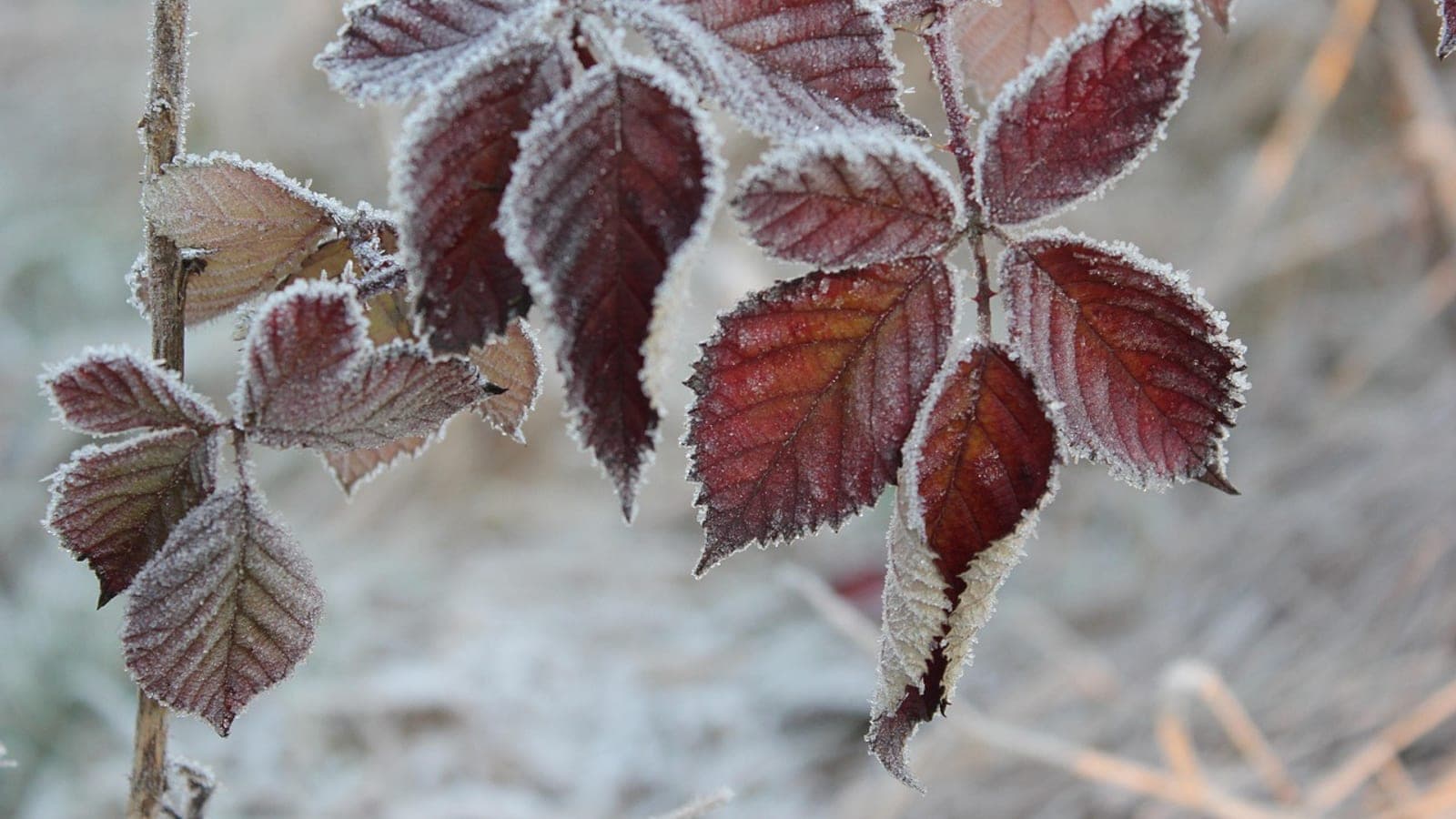
Photo by DominikRh on Pixabay
Leaves blackened by frost look dead but the plant often is not. Here is what to do today, what to leave alone, and how to tell when to give up.
The short answer
- Do nothing drastic. Frost-blackened growth is not a sign the whole plant has died, and the damaged leaves protect the buds below.
- Today: move potted plants somewhere sheltered, shade them from early sun so they thaw slowly, and check the pot is not frozen solid before you water.
- Do not prune until there is no more frost to come. Cut back to healthy growth in spring.
- Wait until the following early summer (June in the northern hemisphere, December in the southern) before deciding that a woody plant is dead, and test with a scratch of the stem.
- Tender bedding plants, basil and soft annuals that have turned to black mush are finished. Compost them.
What frost does to a plant
Frost freezes the water inside leaves and stems. Ice crystals form between and inside the cells, the cells burst, and when the plant thaws they leak. That is why a plant can look fine at dawn and sag within a few hours of the sun reaching it.
The first sign is usually leaves that look dark and wet. The RHS describes damaged foliage as water-soaked and dark green, turning black in time. On tender new growth, the same page says to look for scorching and pale brown patches between the leaf veins. Flowers brown and drop. What you see is the damage at the surface. The roots and the lower buds of most established plants are insulated by soil, so they came through. Whether the plant survives depends on how hardy it is, how hard the frost was and how long the cold lasted, not on how bad the leaves look this morning.
If the frost caught a pot you meant to bring in, our guide to bringing houseplants back indoors covers how to settle one in once you have rescued it.
What to do this morning
You have a few jobs, and all of them are about slowing things down.
Let it thaw slowly
The RHS warns that plants in early morning sun can thaw too fast, damaging flowers and young growth. If you can, shade frosted plants with a sheet, or move potted ones out of the sun until the air has warmed.
Move pots somewhere sheltered
A garage, porch, shed with a window or the lee of a house wall. A frozen pot cannot be watered, and roots in frozen compost are in more danger than the leaves. Group the pots together so they shelter each other.
Leave the damaged growth on
It looks awful, and it is also a layer of insulation over the buds beneath it. Cut it off now and the next frost reaches tissue that was protected. Resist the urge to tidy.
Check the soil, then water only if it is dry
Push a finger in. If the compost is frozen, leave it. If it has thawed and is dry below the surface, water lightly. A frost-damaged plant takes up very little, and soggy compost makes things worse.
Do not feed
Feeding pushes soft new growth that the next cold night will kill. Wait until the plant is making fresh leaves of its own accord.
How to tell whether it is dead
Be patient, because recovery can be slow. The RHS says recovery may not be seen until early summer, which is around June in the northern hemisphere and December in Australia, New Zealand and South Africa. If no regrowth has appeared by then, the same page says to replace the plant.
While you wait, test it. Scratch a small strip of bark from a stem with a fingernail or a knife. Green and moist underneath means the stem is alive. Brown and dry means that stem is dead, so try one further down. Work your way towards the base, because the tips die first and the roots are the last to go.
Look at the buds too. Plump and firm buds on a woody plant are a good sign. Shrivelled, papery ones are not.
Some plants give you the answer sooner:
- Dahlias and cannas. Blackened tops look like the end. The RHS says that on these, the roots are alive and can still be protected or lifted and stored. Cut the foliage down once it has collapsed and mulch the crowns thickly or lift the tubers.
- Basil, courgettes (zucchini), tomatoes and beans. Finished. They have no frost tolerance, and the plant will not come back from a black, collapsed stem.
- Hardy perennials. Leaves flop and brown, but the crown below ground is fine. Cut back in spring.
- Evergreen shrubs. Brown, scorched foliage can drop in the weeks that follow. Most reshoot from the stems.
The damage that shows up late
Frost does not always show its hand in a day. Woody plants in particular can look unharmed for weeks and then drop their leaves, or leaf out in spring only to have one side of the plant stay bare. Newly planted shrubs have another problem. The RHS notes that frost can lift them out of the ground, so after a hard night, look at the base and re-firm the soil around any that have risen.
This is also where it pays to know what you are looking at. Browning, wilting and leaf drop have a long list of causes, and frost is only one. Overwatering, drought, root problems and some diseases all produce the same dead-looking foliage, and treating the wrong one wastes the plant's chances. If the pattern does not fit what you saw the night before, for example browning that is patchy rather than on the exposed top of the plant, look for something else too. Our guide to saving a dying houseplant works through the checks for a plant that is declining for no obvious reason.
What to do in spring
Once the days warm and the risk has passed, the sequence is easy.
- Wait for new growth to show where it will. Buds break first from the live wood, and that tells you where to cut.
- Prune dead material back to an undamaged sideshoot or bud, using clean sharp secateurs (pruners) and cutting just above the bud.
- Water as the weather dries out, and feed once the plant is clearly growing.
- Give a weak plant a season to recover. Do not heavily prune a shrub that is already stressed.
Tender plants you lost can be replaced with something hardy for the spot, or kept under cover next year. Geraniums (pelargoniums) are the classic case, and our guide to overwintering geraniums covers three ways to bring them through. For next time, our guide to how to protect plants from frost sets out what to cover and how.
Timing depends on where you live. In the northern hemisphere, the first damaging frosts typically arrive in autumn (fall) and the last come in spring. In Australia, New Zealand and South Africa the pattern is reversed, with the risk running from the southern autumn into late winter. The advice is the same on either side of the equator: wait for the last frost before you cut.
Which plants are most at risk
Frost-tender, and often lost
- Basil, tomatoes, courgettes and beans
- Soft and water-rich. One frost turns them black and they do not recover.
- Pelargoniums (geraniums) and fuchsias in pots
- Almost no frost tolerance. Rescue them under cover before the next cold night, and cut back later.
- Houseplants left outside for the warm months
- Tropical foliage plants such as rubber plants and pothos have no frost tolerance at all.
- Newly planted anything
- Roots are not settled, so cold gets in, and frost can lift the plant out of the ground.
Usually come back
- Dahlias and cannas
- Foliage blackens but the roots and tubers are alive. Mulch the crowns or lift and store them.
- Hardy perennials
- Leaves die back but the crown is below ground and safe. Cut back in spring.
- Established hardy shrubs
- May lose leaf tips and shoot ends but reshoot from lower down.
Find out what the damage really is
Frost damage looks a lot like other things. Blackened leaves, brown edges and a wilted stem can come from frost, from a root problem or from a disease, and the right response is different for each.
Photograph the affected leaves and Plant Doctor gives you the likely cause, what it looks like, what causes it, how to prevent it and what to do first. It draws on 500+ diseases and pests, and the diagnosis is free on every plan. That is the quickest way to tell a frost casualty that will recover from something else that will not.
If you grow in more than one place, a balcony and an allotment, for instance, each growing site in Folly has its own location and weather. Folly's local weather alerts, part of Pro, name the plants at risk from frost, heat, wind and storms and give you a protection checklist, so next time you cover the right plants before the night, not clear up after it.
Questions people ask
How do I know if a plant is dead or only frost damaged?
Scratch a thin strip of bark on a stem with a fingernail. Green and moist underneath means the stem is alive. Brown and dry means that stem has died. Check a few stems, and check lower down, because the tips die first and the base often survives. For a plant that has died back to nothing, wait for spring before you decide.
Should I cut off frost damaged leaves straight away?
No. Blackened growth acts as a blanket for the buds beneath it, and cutting now invites fresh shoots that the next frost will catch. Leave everything in place until the weather has properly warmed, then prune back to healthy growth.
Will frost damaged plants grow back?
Many do, especially shrubs and perennials with live roots. Leaf and shoot tips may be lost while the base reshoots from lower down. Annuals and tender bedding plants that have turned to black mush will not recover, and are best composted.
Can I water a plant that has been hit by frost?
Water only if the compost has thawed and feels dry below the surface. Never water a frozen pot or soil. Damaged plants take up less water than healthy ones, so err on the dry side and do not feed until new growth appears.
Why do leaves turn black after frost and not at once?
Frost freezes the water inside the cells and bursts them. The leaf can look fine while frozen, then turn dark, wet and limp as it thaws and the broken cells leak. That is why damage often shows up by late morning rather than at dawn.