Overwintering Geraniums: Three Ways That Work
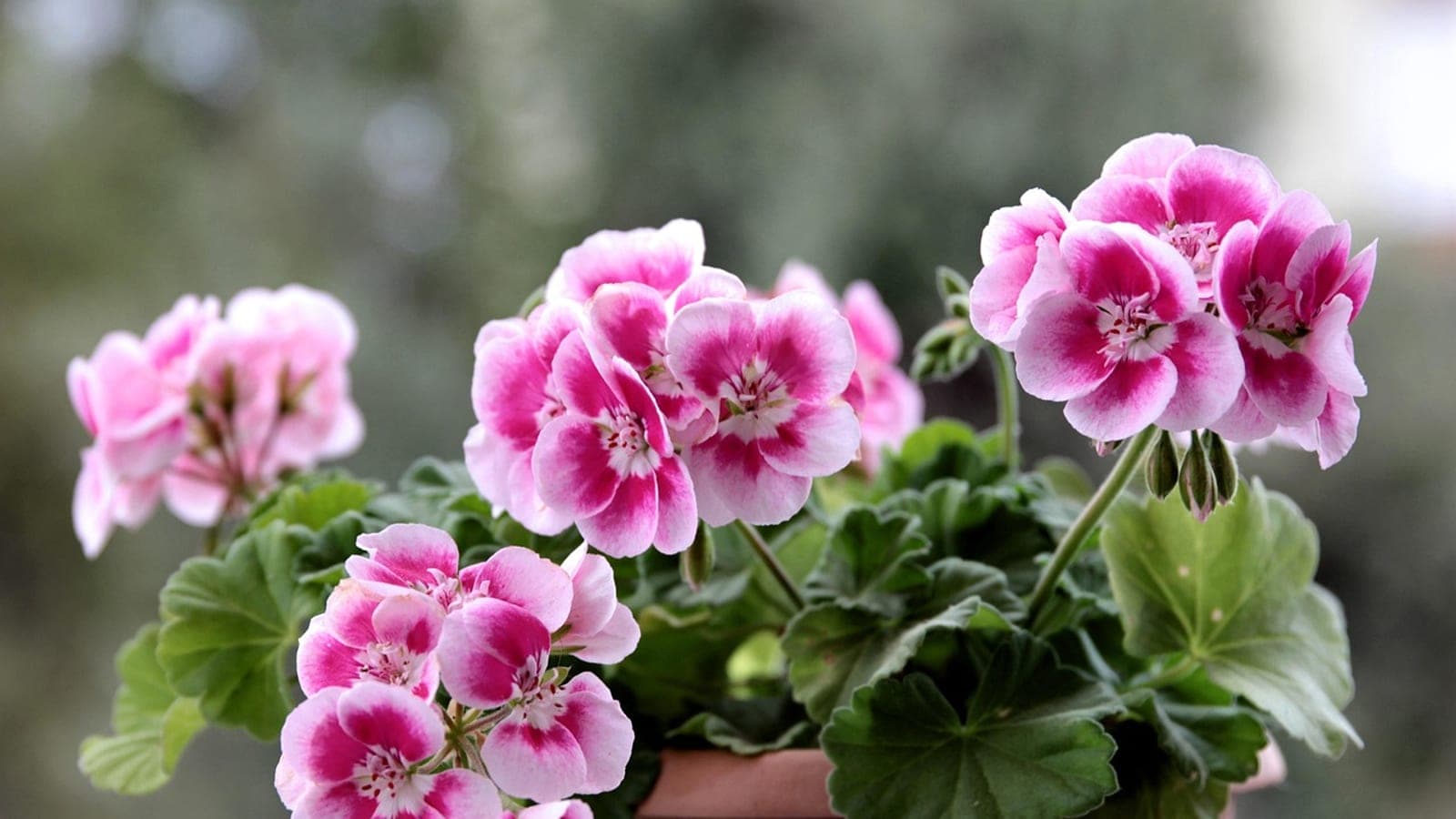
Photo by begonvilliev on Pixabay
Geraniums (pelargoniums) survive winter indoors or in a frost-free spot. Here is how to keep them in pots, in a greenhouse or garage, or as bare roots.
The short answer
- Geraniums (pelargoniums) are tender. Frost kills them, so they must be under cover before the first one.
- You have three options: keep them growing in pots in a bright, cool, frost-free spot, take cuttings, or store them as bare roots.
- Whichever you pick, go easy on water. Soggy compost in a cold room does more harm than the cold itself.
- Plant out again only when frost is behind you, after hardening them off.
Why geraniums need help to survive winter
The plants sold as geraniums for pots and window boxes are really pelargoniums, and they are tender. The RHS says to bring plants indoors before temperatures drop, and Clemson's extension service puts it bluntly: geraniums are not winter-hardy and must be brought inside before frost if you wish to keep them.
That makes timing the first job. Do not wait for the frost forecast. Move plants in once autumn nights are getting close to freezing where you live, which is a different month in the northern and southern hemispheres. Our guide to protecting plants from frost covers the nights when you cannot move everything in time.
Before anything comes indoors, look it over. Clemson's advice is to discard any plants with evidence of insects or diseases, because a pest that rides in on one pot can spread to your houseplants.
Which method suits your setup
- A few plants and a bright windowsill: keep them in pots, indoors.
- Lots of plants and little space: take cuttings.
- A frost-free garage, shed or cellar and no spare window: store bare roots.
- A greenhouse or conservatory that stays above freezing: keep them in pots under glass.
Method 1: Keep them in their pots
This is the easiest route and it works indoors, in a conservatory or in a frost-free greenhouse. The RHS says to keep the plants in their pots over winter, in a light, airy, frost-free position. You get less growth than in summer, but you can get flowers if you do it well.
Lift or pot up before frost
Container plants come straight in. Plants growing in the ground need lifting and potting into a pot with drainage holes. Shake off the worst of the soil and trim damaged roots.
Cut back if space is short
Cutting back to around 10 cm (4 in) makes a plant small enough for a windowsill and removes foliage that would otherwise rot in still air. Do it only if you need to.
Give it the brightest spot you have
Bright light is essential to keep geraniums in flower, Clemson says. A cool windowsill beats a warm, dim shelf.
Keep it cool
The RHS says many will keep flowering at 7 to 10°C (45 to 50°F). A heated living room is warmer than they like, and warm and dim together makes leggy, floppy growth.
Water sparingly
Let the compost (potting mix) dry out between waterings, then water. A cut-back plant needs very little until it starts growing again.
If your pots are in a conservatory or greenhouse, ventilation matters as much as warmth. The RHS says to open windows or vents on mild days to reduce rotting off. Still, damp air is the enemy. Indoors the same logic applies: crack a window in the room on a mild day, keep plants from touching one another, and pick off any yellow or fallen leaves before they turn mouldy on the compost. Do not leave a saucer full of water under any pot.
Method 2: Take cuttings
This works well if you have large numbers of plants to overwinter, the RHS says. Take cuttings in late summer, or in early autumn if you are only now reading this, and root them in small pots on a bright windowsill. Once the cuttings have rooted, they can overwinter in trays of compost kept on a well-lit indoor windowsill.
A tray of cuttings takes up far less room than a dozen full-sized plants, and you can throw the tired parent plants on the compost heap. It also gives you young, vigorous plants for next year. Keep the compost only barely damp. Our guide to how often to water houseplants explains how to read the pot.
Method 3: Store them as bare roots
If you have a frost-free garage, shed or cellar and no windowsill to spare, this is the space-saving route. The RHS describes lifting plants before the first frosts and shaking off excess soil or compost from the roots, then laying them in crates or on a bench in a frost-free place. The RHS also suggests hanging them upside down from the shed or garage roof.
Check them every so often and remove any shrivelled or mouldy growth.
In early spring, wake them up. Soak the roots in water for a few hours, pot them up and cut all stems back to about 10 cm (4 in). Water sparingly and move them somewhere warm and bright.
What about a garage, shed or unheated greenhouse?
These are the places people ask about most, and the answer hangs on one question: does it freeze? A garage attached to the house often stays above freezing. A freestanding shed or an unheated glasshouse often does not, and a single night of hard frost can kill a geranium that was fine the night before.
Put a minimum-maximum thermometer in the space for a few weeks before you commit. If it stays above freezing, store dormant bare roots there. A garage with no light suits plants that are dried off, not plants still in leaf. If it dips below freezing, bring the pots indoors on the cold nights, even if they live in the greenhouse the rest of the time.
Putting them back outside
Spring is when most overwintered geraniums come to grief. A warm week tempts you outside, then a late frost takes every plant at once. Wait until the risk of frost has passed, then harden them off: a few hours outdoors in shade at first, a little longer each day. The rest of your plants face the same autumn deadline, and our checklist for bringing houseplants back indoors covers them.
Let Folly watch the forecast
The hard part of overwintering is timing. Move the pots too early and you lose weeks of flowers. Too late and one cold night ruins the lot.
Folly sends local weather alerts tailored to your own plants. When frost is forecast, it names the plants at risk and gives you a protection checklist, so your geraniums are on the list before the night, not after. If you grow in more than one place, say a patio and an allotment greenhouse, each growing site has its own location and weather. Add a geranium that looks wrong after its move indoors, and Plant Doctor can diagnose it from a photo, with the likely cause and what to do first.
Questions people ask
Can I overwinter geraniums in an unheated greenhouse?
Only if it stays frost-free. Geraniums are not hardy, and a glass box with no heat can drop below freezing on a clear night. A greenhouse that has been fleeced, insulated or fitted with a small frost-guard heater can work. If you cannot guarantee that, bring the pots indoors on the coldest nights.
Can I keep geraniums in a garage over winter?
Yes, if the garage is frost-free and the plants are stored dry as bare roots, laid in crates or hung up. A dark garage is no place for plants that are still in leaf, because they need light. Check them every few weeks and remove any rotting growth.
Should I cut geraniums back before bringing them in?
If you are short of space, yes. Cutting back hard keeps the plant compact and cuts the amount of foliage that can rot. Plants you cut back need barely any water until growth restarts in spring.
Why are my indoor geraniums going leggy?
Too little light, and often too much warmth. Geraniums stretch toward the glass when a room is dim. Move them to the brightest window you have, keep them cooler than your living room, and cut back the leggy stems in spring.
When can I put geraniums back outside?
Once the risk of frost has passed and you have hardened them off. Go by your last frost, not the calendar, and wait for a settled spell if the weather is still swinging between warm days and cold nights.