Why Are My Pothos Leaves Turning Yellow?
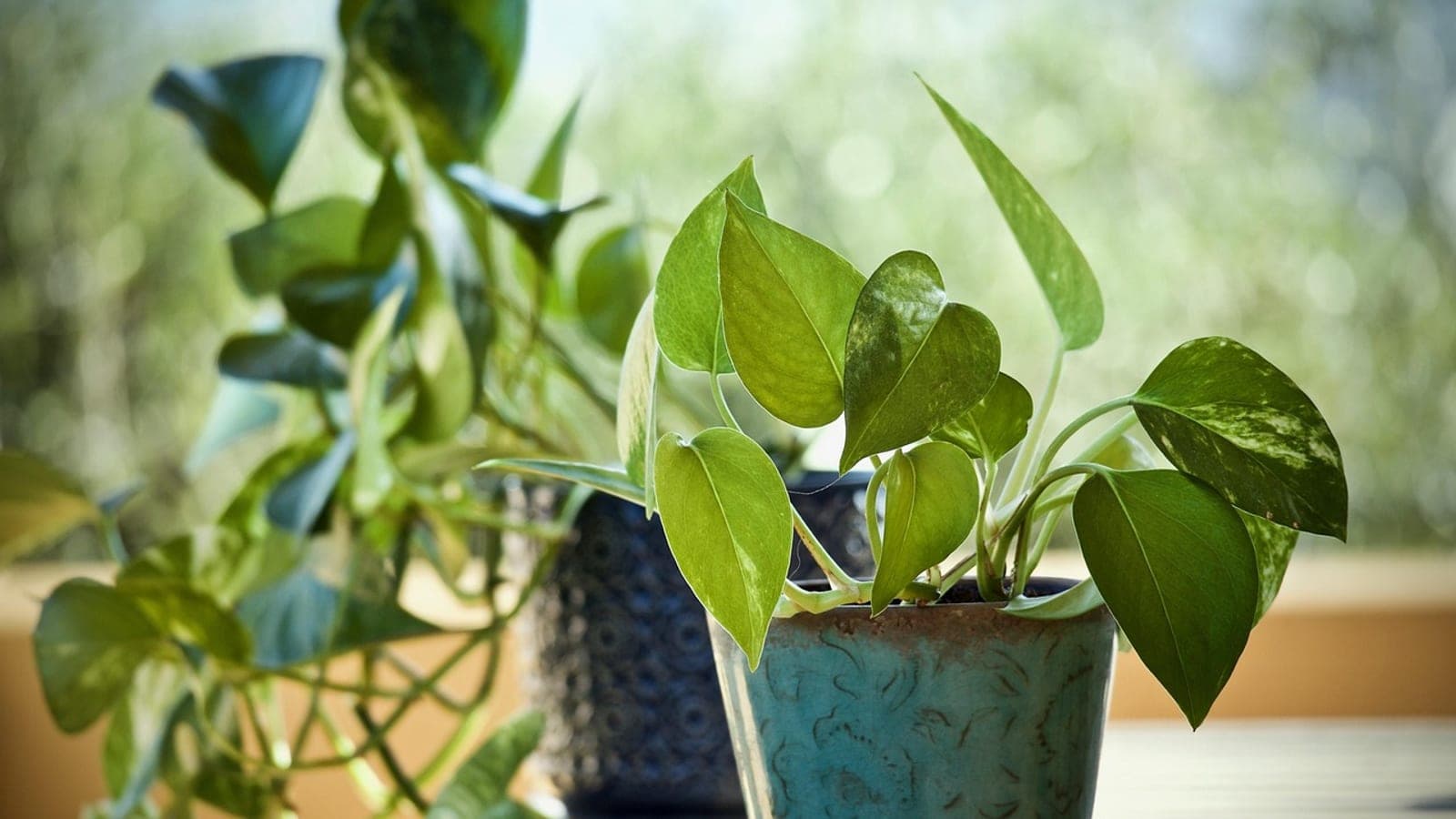
Photo by sweetlouise on Pixabay
Yellow pothos leaves are usually a watering problem, most often too much. Here is how to tell wet from dry, and what light, cold and pots have to do with it.
The short answer
- Yellow pothos leaves are most often a watering problem, and too much water is the usual culprit. Check the compost before you water again.
- Old and new leaves yellowing together points to wet roots. Older leaves at the base yellowing first points to a plant that has been too dry.
- Direct sun, a cold draught and a dim corner all yellow leaves too, but you only need them if the pot checks out.
- One old leaf yellowing now and then is normal. Several at once is not.
- Fix the cause, then cut off any leaf that has gone completely yellow.
Start with the pot, not the leaf
Pothos (also sold as devil's ivy) has a reputation as the houseplant you cannot kill. That is why a yellow leaf catches people out. The plant is tough, so by the time it complains the cause has usually been running for weeks.
Clemson's extension service says yellow leaves on a pothos are often caused by overwatering or low fertility. Overwatering is the one to rule out first, so start there. Compost (potting mix) is what we call the stuff in the pot from here on.
The pattern of yellowing tells you a lot. The RHS lists old and new leaves yellowing and dropping at the same time among the signs of overwatering. On a dry plant the picture differs, because older leaves at the base tend to yellow and fall first. So ask which leaves are yellow, and whether the newest growth is affected as well.
Our wider guide to why houseplant leaves turn yellow covers the general case. This article is about what is specific to pothos.
Five checks that find the cause in a few minutes
Lift the pot
A thirsty pothos in dried-out compost is light. A waterlogged one is heavy, even days after watering. Learn the weight of your plant just after a drink and this becomes your fastest test.
Push a finger into the compost
Go in well past the surface, to about the depth of your first knuckle. Dry all the way down means thirst. Cool and damp at that depth, days after the last watering, means the roots are sitting wet.
Check the saucer or cover pot
Water collects out of sight in decorative outer pots. If the plant stands in it, the roots cannot breathe. Tip it away and leave the pot to drain before it goes back.
Slide the plant out and look at the roots
Healthy roots are firm and pale. Rotting roots are brown or black, soft, and often smell sour. This is the check that settles the argument.
Look at where the plant stands
Note the window, the nearest radiator, vent or door, and whether any leaf touches the glass. Light and temperature explain most cases the pot check does not.
If the compost is wet: overwatering and root rot
Penn State Extension says that too much water will lead to root rot, one of only a few problems this plant has. It is the one that matters. Compost that stays wet drives the air out of the pot. The roots suffocate, then rot, and a plant with rotting roots cannot take up water even while standing in it. The leaves yellow and often droop, which looks exactly like thirst and tempts you to water again.
What to do:
- Stop watering until the compost has dried out well below the surface.
- Drain it properly. The Illinois Extension advises making sure pots are not sitting directly in water, so empty saucers and cover pots after every watering.
- Check the roots if the compost stays wet or the plant keeps yellowing. Cut away any soft, dark roots with clean scissors, shake off the soggiest compost and repot into fresh, free-draining houseplant compost in a pot with drainage holes.
- Do not go up a pot size. A big pot of compost that few roots can use stays wet for a long time. Match the pot to the roots you have left.
- Water lightly afterwards, and only once the top layer has dried. A pothos with fewer roots drinks much less than it did.
Wet compost is also where fungus gnats breed, so tiny flies around the pot back up the diagnosis.
If the compost is bone dry: underwatering
A pothos left too dry also yellows, but the order differs. The older leaves at the base go first, the compost shrinks away from the edge of the pot, and the pot is very light. The RHS lists wilted leaves and brown, crispy leaf edges as signs of too little water, and Penn State notes that too little water may lead to leaves temporarily drooping.
That drooping is useful. A pothos that wilts and then perks up within hours of a drink was thirsty, not rotting. If it stays limp after a good watering, go back to the roots.
Water it slowly from the top until the compost takes the water and some runs out of the bottom, or stand the pot in a bowl of tepid water until the compost has soaked it up, then drain it fully. A hard, dry root ball repels a quick splash, which runs down the gap at the edge and out of the pot.
After that, build a rhythm of checking rather than waiting for the plant to complain. Our guide to how often to water houseplants explains why checking beats a fixed day of the week.
Light: too much, too little
Too much direct sun. Penn State says direct sun will lead to the yellowing of leaves. Any window where the sun lands on the leaves for hours will bleach and scorch a pothos, and a south-facing window is the sunny one in the northern hemisphere while a north-facing window is the sunny one in the southern. Pull the plant back from the glass or filter the light with a sheer (net) curtain.
Too little light. Clemson says pothos prefer bright, indirect light but will tolerate lower lighting conditions. The word to notice is tolerate. A pothos in a dim corner survives, but it grows slowly and uses very little water, so compost takes ages to dry and overwatering becomes much more likely. Variegated types also lose their cream and yellow patterning when light is low, which is a fading of colour rather than a sick leaf. If the plant is stretching, pale and yellowing, move it somewhere brighter and water less often than before.
Cold, draughts and dry air
Brown or black with little yellow first usually means the leaf was damaged from outside.
Cold. The RHS names blackened leaves, leaf droop and whole plant collapse as symptoms of cold damage. A pothos hanging by a door that opens onto a cold hallway, or with leaves pressed against a single-glazed window on a winter night, can show it. Penn State puts the comfortable range for the plant at average room temperatures between 60° and 80° F, which is roughly 16 to 27°C. Anything that holds it well below that for long is a problem.
Dry air near heat. Crisp brown edges often come from a radiator or heater close by. Our guide to plants near radiators covers how far is far enough, and brown tips on houseplant leaves goes through the remaining causes.
A hungry pothos yellows too
Clemson lists low fertility alongside overwatering, and it is the one cause people forget. A pothos that has sat in the same compost for a long time, in good light, with no feed at all, may slowly pale and yellow from the oldest leaf up while the compost behaves normally. The growing season is the time to feed, and only once the plant is otherwise healthy. Feeding a plant with rotting roots, or one that has just been repotted, makes things worse. If you use a feed, choose a general houseplant type, check it is approved for houseplants where you live and follow the label.
What to do with the damaged leaves
Treat the cause first, then tidy up. The RHS says to cut off any mouldy, shrivelled, completely brown or completely yellow leaves, as these will not recover. Use clean scissors or pruners, cut at the base of the leaf stalk and leave any leaf that is only partly discoloured, because it is still feeding the plant.
A fully yellow leaf is finished. What you are watching for is the next leaf. If new growth comes through a healthy green and unfurls cleanly, you have fixed it. If you grow a monstera as well, the same checks apply in our monstera guide, and if the leaves are curling rather than yellowing, why calathea leaves curl covers the overlap.
Stop guessing which cause it is
The difficulty with a yellow pothos is that wet and dry compost both produce yellow leaves, and the deciding evidence is in the pot. That is the gap Folly is built to close.
Folly's Smart Care schedules set each plant's watering interval from more than fifteen attributes, so a pothos on a bright shelf and a pothos in a dim hallway get different intervals. Tap the plant and every factor is listed with the percentage it added or removed. Most apps hand you a number and ask for trust. Folly shows its working, so you can see whether the schedule is the problem rather than guessing.
If the pot check does not explain what you are seeing, photograph the leaf. Plant Doctor matches it against 500+ diseases and pests, with a step-by-step treatment plan, a recovery timeline and prevention notes. Chore day grouping, free, keeps watering and checking on days that suit you rather than scattered across the week.
Questions people ask
Why are my pothos leaves turning yellow and brown?
Yellow then brown is the usual order when a leaf is dying, and the cause is most often water. Wet, heavy compost points to overwatering. Compost dried hard and a very light pot points to thirst. Brown crisp edges with little yellowing first suggest dry air from a radiator or scorching from direct sun.
Why are my pothos leaves turning yellow but the soil is dry?
A dry pot with yellowing leaves usually means the plant has been left too dry for too long, and the older leaves at the base go first. It can also mean the surface dried while the compost below stayed wet, so push a finger deep into the pot or lift it before you decide. If it really is dry all the way through, soak the pot thoroughly and let it drain.
Why are my pothos leaves turning black?
Black leaves mean tissue has died quickly. The two usual causes are rot from long-term overwatering and cold damage from a draught or a leaf pressed against cold glass. Slide the plant out of its pot. Soft, dark, sour-smelling roots mean rot. Firm pale roots mean you should look at the temperature and the position instead.
Why are my pothos leaves curling?
Curling is usually the plant conserving water. Dry compost is the most common reason, and a pot that has run out of room for roots is another. Check the pot first. Heat and dry air from a radiator or a sunny window also make leaves curl, so move the plant back if it sits close to either.
Should I cut off yellow pothos leaves?
Once a leaf has turned completely yellow it will not recover, and you can cut it off at the base of its stalk with clean scissors. Leave leaves that are only partly yellow, because the plant is still drawing something from them. Fix the cause first, then tidy up.
Is one yellow leaf on a pothos normal?
Yes. A single old leaf yellowing now and then, while the newest growth looks healthy, is ordinary ageing. Worry when several leaves yellow together, or when the new leaves are affected too.