Why Is My Peace Lily Drooping, and How to Revive It
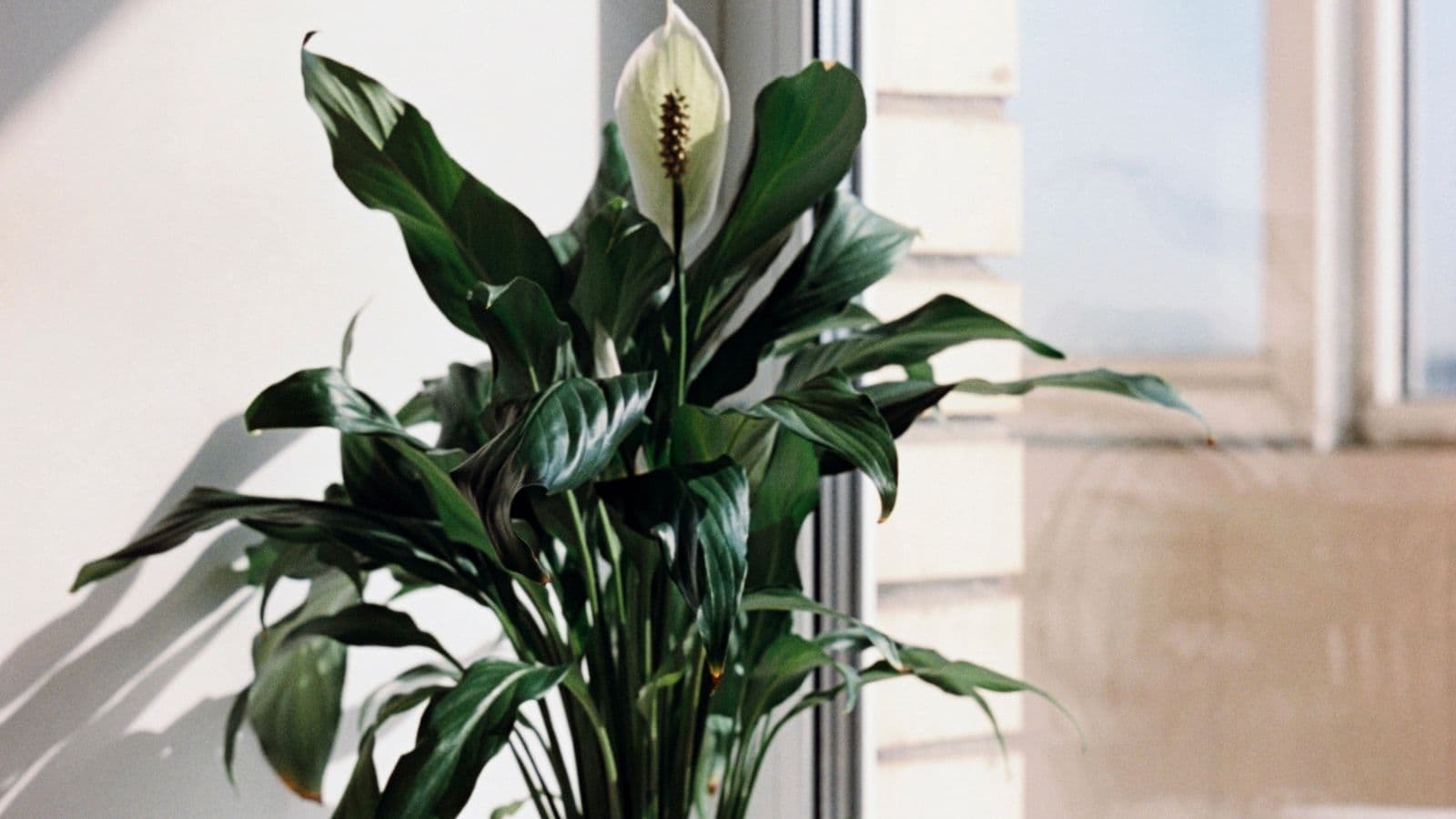
A drooping peace lily is usually thirsty and recovers in hours. Here is how to tell that apart from root rot, cold and shock, and what to do for each.
The short answer
- Nine times out of ten a drooping peace lily is thirsty, and it will be upright again within a few hours of a proper watering.
- Check the pot before you water. Light and dry means water. Heavy and wet means the opposite problem, and watering will make it worse.
- A plant that droops every few days has outgrown its pot, not developed a personality.
- Peace lilies also collapse from cold draughts, from sitting in a cover pot full of water, and from the shock of a recent move.
- Some wilting is a habit. This plant asks for water more dramatically than anything else on the windowsill.
The peace lily wilts on purpose
Spathiphyllum is the drama queen of common houseplants, and that is genuinely useful. Where a pothos quietly yellows a leaf and a ZZ plant shows nothing for months, a peace lily folds its whole canopy over the side of the pot within a day of the compost drying out. It is asking you a question you cannot ignore.
That habit is why "why is my peace lily drooping" is one of the most searched houseplant questions there is. It is also why the answer is usually reassuring. A collapsed peace lily is rarely a dying peace lily. It is a plant with a low water reserve in its leaves and a very short fuse.
The risk is what people do next. Reaching for the watering can every time a peace lily sags will eventually kill one, because the second most common cause of drooping produces exactly the same picture and needs the opposite treatment.
Check the pot before you reach for water
Thirty seconds of checking separates the two causes that account for most cases, and the same checks work on every plant you own. Our guide to how often to water houseplants covers them in more depth.
Lift the pot
A thirsty pot is noticeably light. A waterlogged one is heavy. Get used to the weight of your own plants just after watering and this becomes the fastest test you have.
Push a finger into the compost
Go in a few centimetres, past the surface. Dry all the way down means thirst. Cool and wet at that depth, days after the last watering, means the roots are sitting in water.
Look at the gap around the edge
Compost that has dried out hard shrinks away from the sides of the pot. Water then runs straight down that gap and out of the bottom without wetting anything, which is why a quick splash does nothing.
Feel a drooping leaf
Thirsty leaves stay firm and slightly papery as they fold. Waterlogged leaves go soft and limp, and often yellow at the base of the plant at the same time.
Smell the compost
A sour or stagnant smell is rotting roots. Healthy compost smells of nothing much at all.
If it is thirsty: how to water it back up
Do not give a dried-out peace lily a splash from the top, because the water will run down the gap at the edge and out of the drainage holes without touching the root ball.
Stand the pot in a sink or a bowl with a few centimetres of tepid water and leave it for twenty to thirty minutes, so the compost draws water up and swells back against the sides. If you would rather water from the top, pour slowly and repeatedly until the compost is genuinely taking it and a good volume runs out of the bottom. Then drain fully.
After that, leave it alone. Most plants are visibly recovering within two to four hours and fully upright by the next morning. No feed, no misting, no moving it to a brighter spot. It does not need encouragement, it needed water.
If a full day passes with no change, the cause was not thirst. Go and look at the roots.
If the compost is wet: root rot and what to do
Constantly damp compost drives the air out of the pot. Roots suffocate, then rot, and a plant with rotting roots cannot draw water even while standing in it. The leaves droop exactly as if the plant were parched, which is why so many people water again and accelerate the problem.
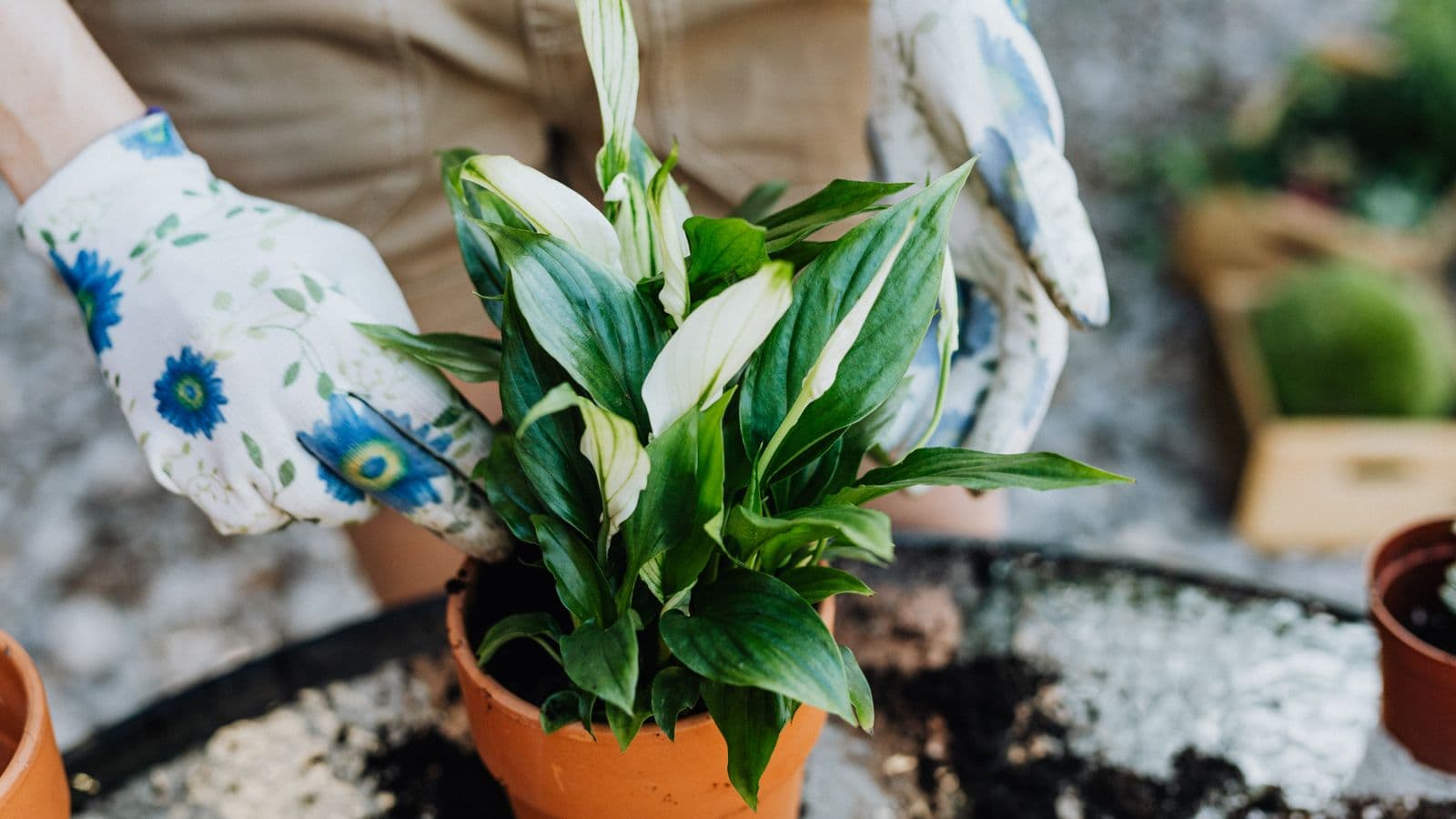
Slide the plant out and look at the root ball. Healthy peace lily roots are firm and pale, close to white. Rotting ones are brown or black, soft, and the outer layer slips off when you pinch them, leaving a thread behind.
Cut every soft root away with clean scissors, shake off as much of the old compost as you can, and repot into fresh, free-draining houseplant compost in a pot with drainage holes. Go down a pot size if you have removed a lot of root, because a big pot full of compost that no root is using stays wet for weeks. Then water once, lightly, and wait. A plant with reduced roots needs much less water than it did, and the temptation to nurse it with the watering can is the thing most likely to finish the job.
The other four reasons a peace lily goes over
Cold. Peace lilies stop being comfortable below about 13C, which is 55F, and a leaf touching cold glass on a winter night can be several degrees colder than the room. A plant that droops overnight and does not recover after watering has usually been sitting in a draught from a door or a single-glazed window.
Too much direct sun. They evolved on a forest floor. Hours of direct midday sun scorches the leaves and drives water loss faster than the roots can supply, so the plant wilts in the afternoon and picks up in the evening. Bright indirect light suits them far better, and they tolerate genuinely dim rooms.
Shock after a move or a repot. New light levels, a new pot and disturbed roots all produce a few days of sulking. Keep conditions steady and do not add a second change on top of the first.
Pot-bound roots. A plant that droops within two or three days of every watering has outgrown its container. Look for roots circling the base or emerging from the drainage holes, then move it up one size in spring. Peace lilies flower better a little snug, so do not over-pot in response.
How many times can it wilt before it suffers?
Because a peace lily bounces back so convincingly, it is tempting to treat wilting as its normal way of asking and wait for the signal each time. That does cost the plant something.
Every full wilt means the leaves have run their water reserves down to the point of collapse, and fine root hairs die back as the compost dries hard. They regrow, but a plant repeatedly cycling between bone dry and soaked spends energy on repair that would otherwise have gone into leaves and flowers. The visible result over a year is smaller new growth, more brown leaf tips, and noticeably fewer of the white spathes people buy the plant for.
One or two drops while you learn its rhythm will not hurt it. Weekly collapse as a watering system will. Aim to water it while the compost is still slightly damp at depth, which for most peace lilies means checking twice a week rather than waiting for the performance.
Which houseplants tell you, and which stay quiet
Wilt dramatically and recover fast
- Peace lily
- The clearest signal of any common houseplant. Full collapse within a day of drying out, upright again hours after a drink.
- Fittonia
- Faints even faster than a peace lily and recovers just as quickly. Almost comic about it.
- Hydrangea and other soft-stemmed flowering plants
- Wilt hard and visibly, though repeated wilting does lasting damage to the flowers.
Show nothing until it is serious
- ZZ plant and snake plant
- Store water in thick rhizomes and leaves. By the time either looks unhappy, the problem has usually been running for months.
- Pothos and monstera
- Yellow a leaf or slow down rather than collapse. Easy to keep, harder to read.
- Cacti and succulents
- Designed to give nothing away. Shrivelling or softness is a late signal, not an early one.
Stop guessing which one it is
The whole difficulty here is that two opposite problems produce the same drooping plant, and the deciding evidence is in the pot rather than in the leaves. That is exactly the gap Folly is built to close.
Folly's Smart Care schedules set each plant's watering interval from more than fifteen attributes, including pot size and material, the light in that room, the season, and the weather where you actually live, so a peace lily in a small terracotta pot on a bright sill gets a different interval from the same plant in a plastic pot in a shaded hallway. Tap the plant and every factor is listed with the percentage it added or removed from the interval. Most apps hand you a number and ask for trust. Folly shows its working.
If your peace lily is doing something the pot check does not explain, photograph it and Plant Doctor matches it against 500+ diseases, pests and deficiencies, with a step-by-step treatment plan, a recovery timeline and prevention notes. For the symptoms that come next, our guides to yellowing leaves and brown leaf tips cover the rest of the picture.
Questions people ask
How long does a drooping peace lily take to recover?
If the cause is thirst, two to twelve hours. Most plants are visibly back up within four. Water thoroughly until it runs out of the drainage holes, pour away whatever collects in the saucer, and leave it alone. If nothing has changed after a full day, the cause was not thirst and the roots need checking.
Can a peace lily droop from too much water?
Yes, and it looks almost identical from across the room. The difference is in the pot. Thirsty compost is light and pulls away from the sides. Overwatered compost is heavy and wet, often smells sour, and the drooping leaves feel limp rather than papery. Watering an overwatered peace lily is the single most common way people finish one off.
Should I repot a drooping peace lily?
Only if the roots tell you to. Repotting is right for a root ball wound solid against the pot wall, or for rotting roots that need fresh compost. It is the wrong response to simple thirst, and a plant already struggling has little spare energy to repair damaged roots. Peace lilies also flower better slightly snug in their pots.
Why does my peace lily droop every few days?
Usually a pot that has run out of room. A solid root ball holds very little compost, so it dries out within a day or two of every watering. Check for roots circling the base or coming through the drainage holes, and move it up one pot size. Bright direct sun and a spot above a radiator both shorten the cycle too.
Do drooping leaves recover, or should I cut them off?
Leaves that droop from thirst recover completely and should be left alone. Leaves that yellow, go soft or stay down after a good watering are not coming back, and you can cut those off at the base once the plant is stable. Do not strip a struggling plant of foliage it is still using.
Keep reading
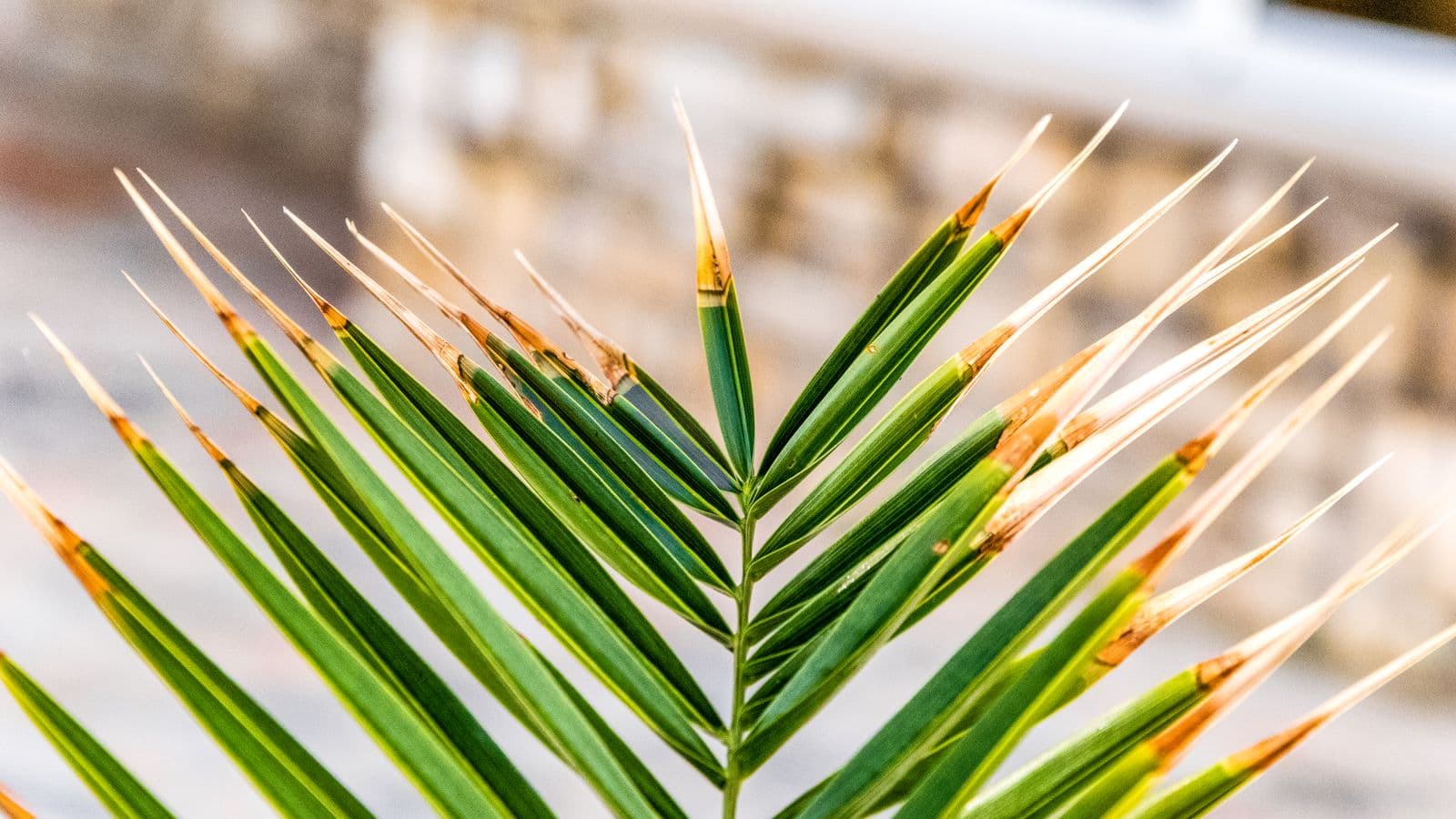
Why Are My Houseplant's Leaf Tips Turning Brown?
Brown tips are a symptom, not a diagnosis. How to tell dry air from salt build-up, thirst from failing roots, and what to change for each one.
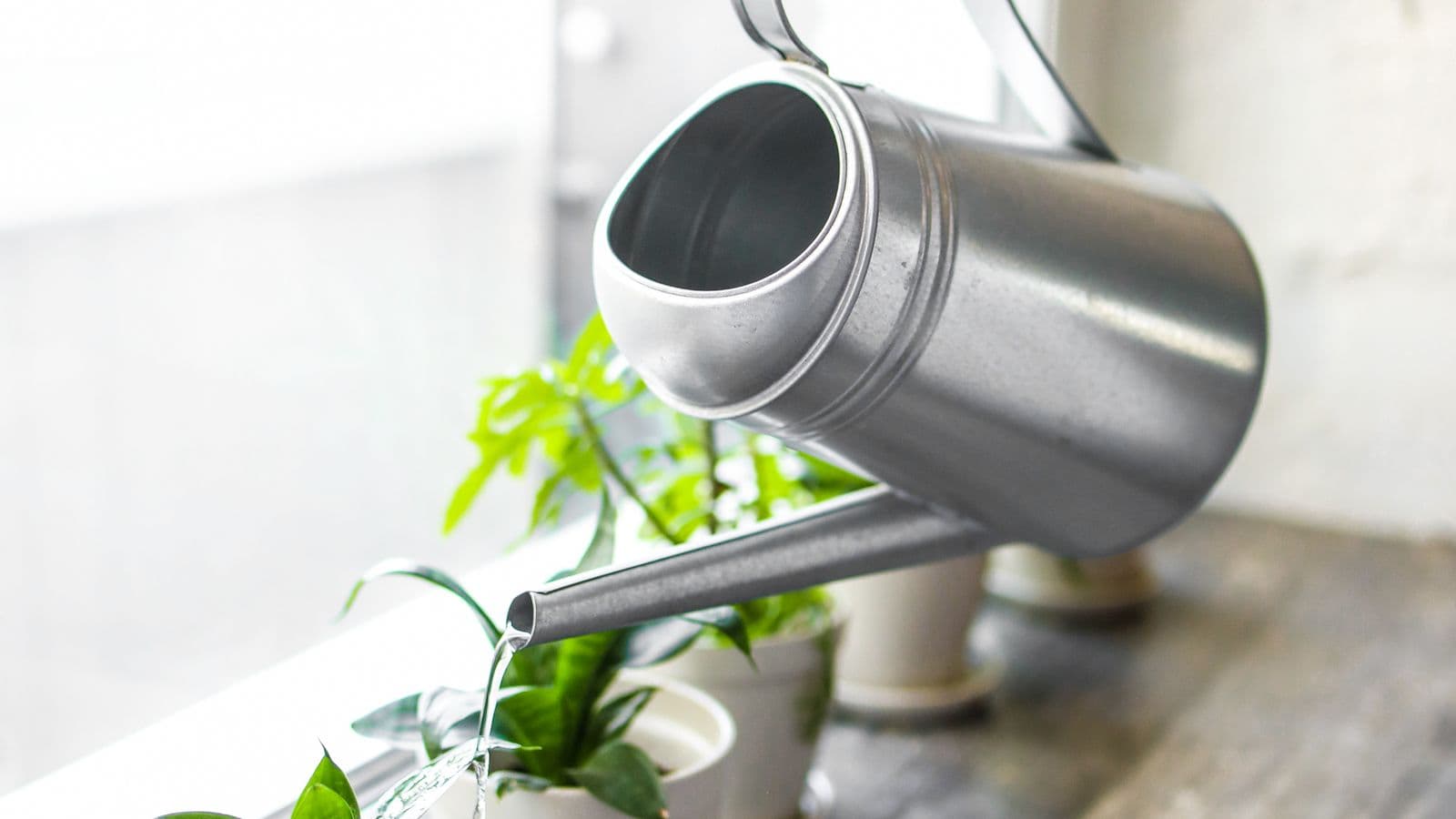
How Often Should You Water Houseplants?
Once a week is the answer that kills plants. What actually sets a watering interval, how to read a pot in ten seconds, and how to water properly.
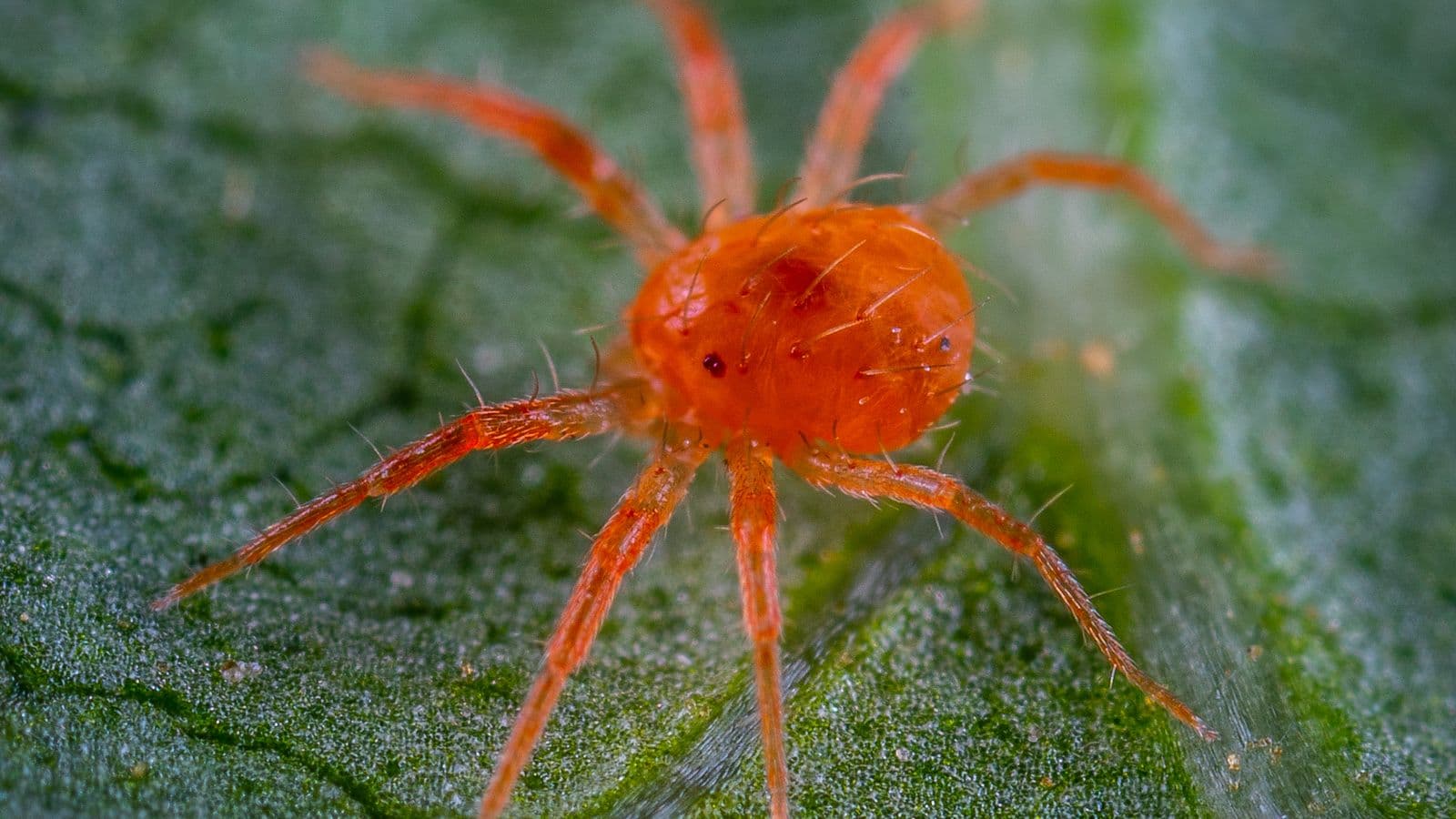
How to Get Rid of Spider Mites on Houseplants
Spider mites explode in heated rooms and hide under the leaves. A three week plan that breaks the egg cycle, plus how to spot them before the webbing.