Why Are My Calathea Leaves Curling?
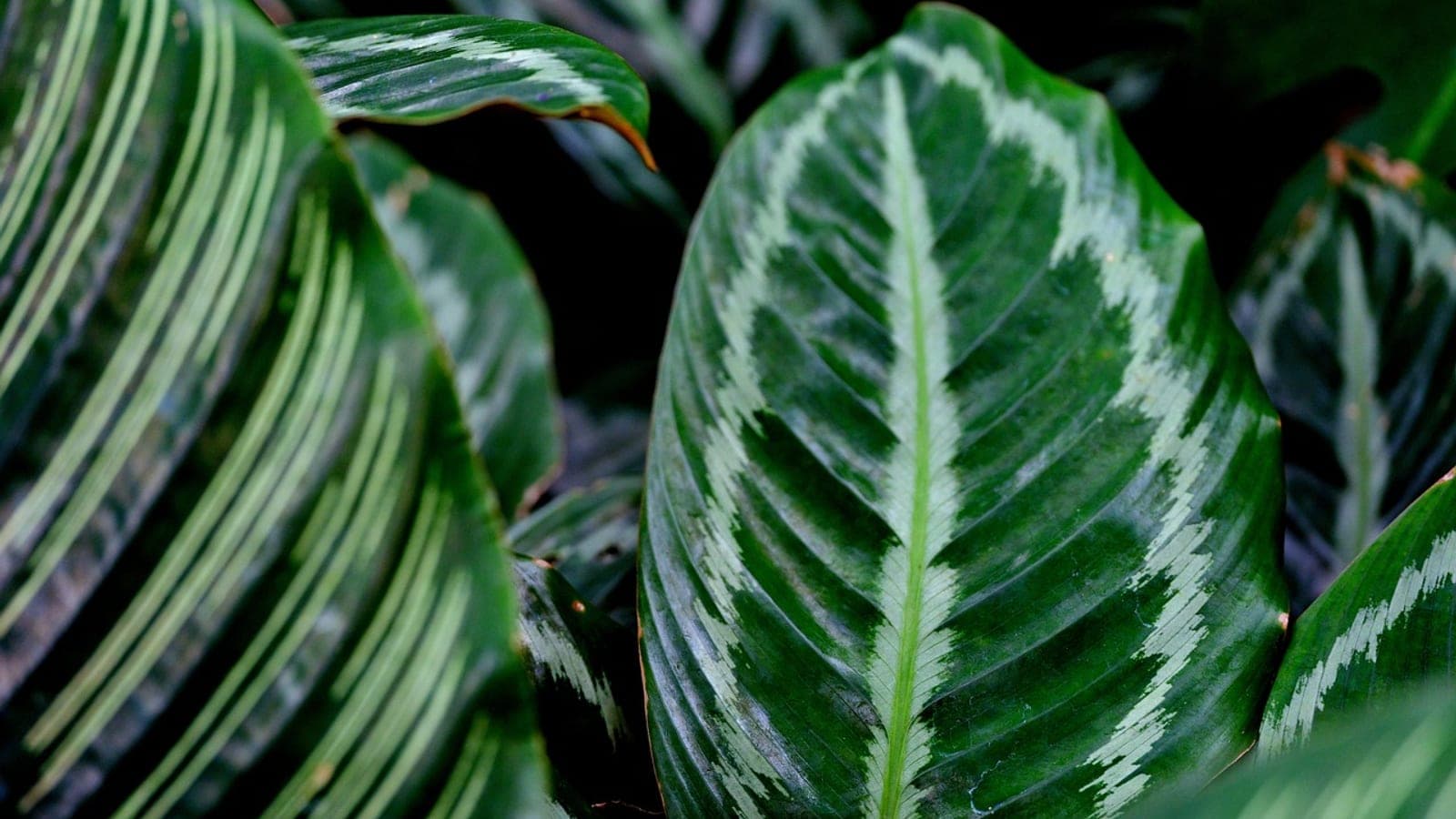
Photo by ignartonosbg on Pixabay
Curling calathea leaves are almost always a thirst or dry air signal. Here is how to tell which, what else causes it, and how to get the leaves flat again.
The short answer
- Curled calathea leaves are most often thirst. The plant rolls its leaves inward to lose less water.
- Push a finger into the compost. Dry below the surface means a thorough soak. Wet and heavy means the roots are the problem.
- Dry air from heating is the next suspect, followed by direct sun, cold draughts, mineral build-up from tap water and spider mites.
- Early curl reverses within a day or two. Brown, crisp leaves will not, so trim them once the plant has recovered.
- Calatheas are fussy, and the fix is steadiness more than effort.
Why a calathea curls its leaves
A calathea (also sold as a prayer plant, and increasingly under the name Goeppertia) comes from the floor of tropical forests. It is used to steady warmth, filtered light, damp air and evenly moist soil. Take any of those away and it has one quick defence: roll the leaf into a tube so less surface is exposed to the air.
That is what a curl is. It is not a disease and it is not permanent. It is the plant telling you that water is leaving the leaves faster than the roots are supplying it. The job is to work out why the balance has tipped, and the answer is in one of six places.
If the curling comes with brown edges, our guide to brown tips on houseplant leaves explains what the browning means and how it differs from this.
Start with the compost
Thirst is the most common cause by a distance, so check it first. A calathea sulks quickly when the pot dries out, and the RHS advises to water moderately through spring and summer but never let the compost (potting mix) dry out completely.
Lift the pot
A thirsty pot is light. A well-watered one is heavy. Learn the weight of your calathea just after a drink and you can tell from across the room.
Push a finger into the compost
Go in past the surface to about the second knuckle. Dry all the way down means thirst. Cool and wet days after the last watering means the roots are sitting in water.
Check the edge of the pot
Compost that has dried hard shrinks away from the sides. Water then runs straight down the gap and out of the bottom without wetting the root ball, so a quick splash does nothing.
Look at the leaves themselves
Thirsty leaves curl inward along their length and feel thin. Waterlogged plants droop and go soft, and the lower leaves often yellow as well.
If it is dry, stand the pot in a sink or bowl with a few centimetres (an inch or so) of water for twenty to thirty minutes, so the compost draws it up from below. Then let it drain fully and put it back. Most plants begin to open within a day. Do not feed it while it recovers, because fertiliser salts add to the stress.
If it is wet and heavy, hold off. Slide the plant out of the pot and look at the roots. Healthy ones are firm and pale. Rotting ones are brown, soft and smell sour. Cut away anything soft with clean scissors, repot into fresh houseplant compost in a pot with drainage holes, and water lightly once. Our guide to how often to water houseplants explains how to build a rhythm that avoids both extremes.
Dry air, the quiet cause
If the compost is fine and the leaves are still curling, look at the room. Centrally heated and air-conditioned homes are far drier than anything a rainforest plant expects. The RHS notes that calatheas enjoy high levels of humidity, and Clemson's extension service points out that inside air can be too low in humidity for many tropical houseplants.
Curling from dry air shows up as leaves that roll a little more each week, with brown edges that creep inward. It is worst in winter, when the heating runs, and in summer in rooms with an air conditioner or fan blowing.
What helps, in order of effect:
- Group your plants together. They raise the humidity around each other.
- Run a humidifier in the room. This is the one fix that really changes the air.
- Move the plant away from radiators, heater vents and the outflow of an air conditioner. Our guide to plants near radiators covers what heat does to a pot.
- Put the pot on a tray of damp pebbles, with the base held clear of the water.
Misting is the popular answer and the weakest. It wets the leaf for a few minutes and does nothing for the room.
Light, cold and draughts
Direct sun is the third cause. The RHS says calatheas grow best in a bright spot, out of direct sunlight. A leaf in a sunny window curls to cut its exposure, and the patterned surface fades or scorches in pale patches. If you can see a hard-edged shadow of the window on the leaf, it is getting too much. Move it back from the glass, or pull a thin curtain across.
The other direction matters too. A calathea in a dim corner stops growing well, and the new leaves come in small. The aim is a bright spot with no sun falling directly on the leaves. In the northern hemisphere that is often a spot beside a south or west facing window rather than in front of it. In Australia, New Zealand and South Africa, the same logic applies to a north or west facing window. If you are unsure, pick the room's brightest spot that the sun never reaches.
Cold does something similar to thirst. A leaf pressed against a cold windowpane on a winter night, or a plant by a door that opens onto frosty air, curls and may blacken at the edge. The RHS advises avoiding temperature fluctuations, and a calathea objects to a swing as much as to a low. Keep it away from glass in the cold season and out of the path of any draught.
The water itself
Calatheas are known for reacting to what comes out of the tap. The RHS says that all houseplants prefer rainwater, because mains tap water contains lime (calcium carbonate) and chlorine, though calatheas will tolerate tap water that has been left to stand for at least 24 hours first.
Hard or heavily treated water leaves a mineral crust on the compost surface and a scorched, curled look along the leaf margins over months, usually together with brown tips. If that matches your plant, collect rainwater where you can, or fill the can the day before you water. Once a season, flush the pot by watering heavily and letting it drain freely, so salts wash out of the compost rather than building up.
Pests: check the underside
Spider mites love warm, dry rooms and calatheas, so they often arrive together. Look at the underside of a curling leaf in good light. Fine webbing, a dusty or speckled pale look on the top surface and tiny moving dots all mean mites. Our full guide to getting rid of spider mites has the whole routine.
Start with the physical fixes. Isolate the plant, shower the leaves, top and bottom, with lukewarm water, and wipe each leaf with a damp cloth. Repeat every few days until you find nothing. Raising the humidity makes the plant a poorer home for them. If that is not enough, a product sold for houseplant mites will help, but check it is approved for houseplants where you live and follow the label.
Which houseplants curl first, and which do not
Curl quickly when conditions slip
- Calathea
- Rolls its leaves at the first dry spell, burst of dry air or cold draught, and often shows crisp edges within weeks.
- Maranta (prayer plant)
- A close relative with the same needs. It also folds its leaves at night as a normal habit, so judge it in the morning.
- Ferns and fittonia
- Share the love of damp air and show dryness within a day or two.
Tolerate a missed watering
- Snake plant and ZZ plant
- Store water in thick leaves and rhizomes, and forgive weeks of neglect.
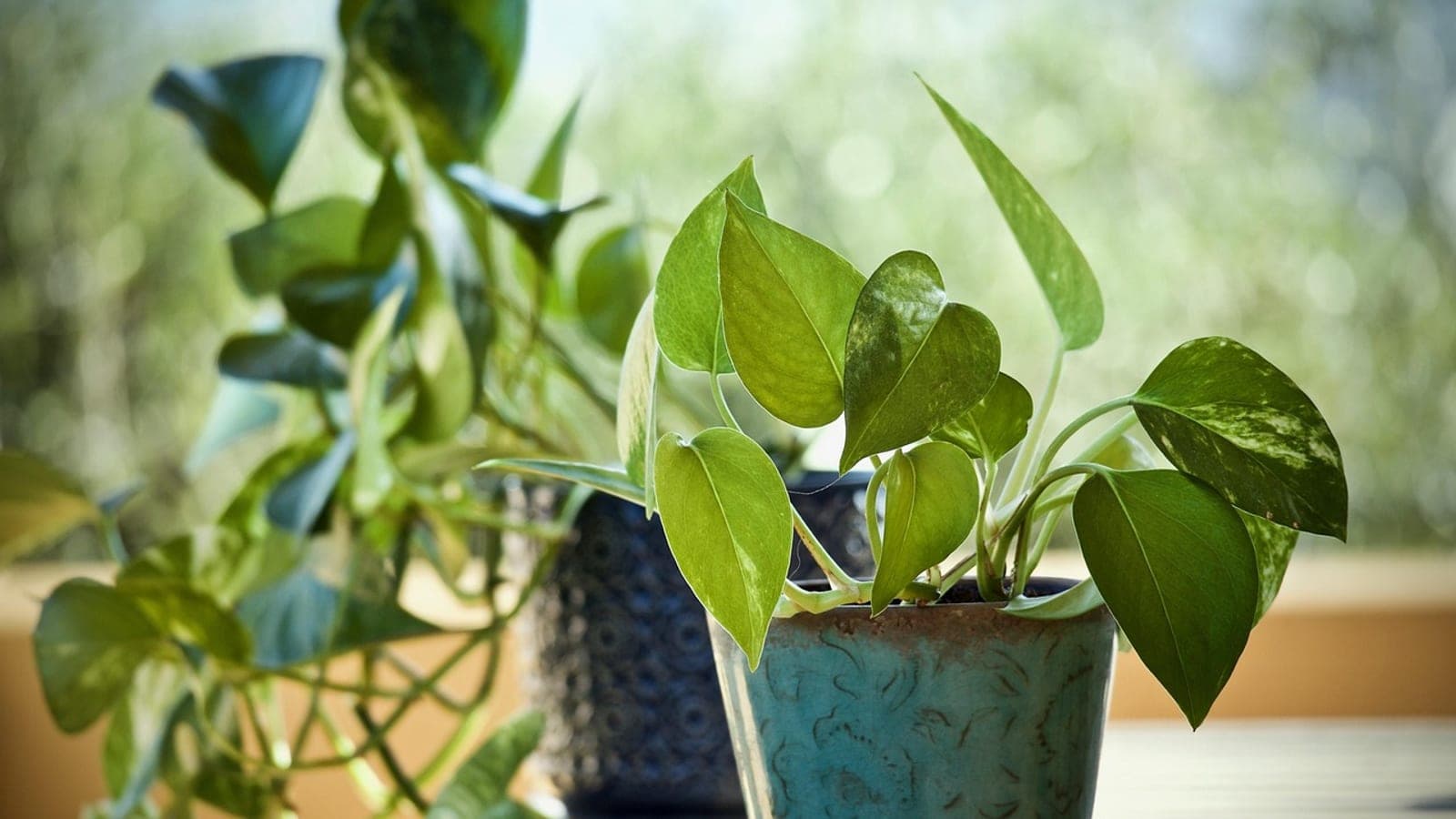
- Pothos
- Droops a little and then recovers, and tolerates dry air far better.
- Cacti and succulents
- Built for dry conditions and unbothered by a thirsty room.
Keeping the leaves flat for good
A calathea is happiest with no surprises: a bright spot out of direct sun, compost that stays lightly moist without ever going soggy, the same corner year round and as much humidity as you can give. Most curling traces back to one of those slipping. If you see a leaf closing up, the useful response is to find which one rather than to change everything at once.
That is where a plant app earns its place. Folly's Smart Care schedules build each plant's watering interval from more than fifteen attributes, including the light in that room, the pot, the season and your local weather, and you can tap any plant to see every factor and the percentage it added or removed. Most apps ask you to trust the number. Folly shows its working, which is exactly what a plant as fussy as a calathea needs.
When the cause is not obvious, photograph the leaf. Plant Doctor checks it against 500+ diseases and pests, then gives you a step-by-step treatment plan, a recovery timeline and prevention notes. For the other common leaf complaint, our guide to yellow leaves on houseplants is the next place to look.
Questions people ask
Why are my calathea leaves curling and crispy?
Crispy curled leaves mean the plant has lost water faster than the roots could replace it. The usual causes are compost that dried out too far between waterings, very dry air from heating, or hard tap water leaving mineral deposits at the leaf edge. Fix the watering and the air first, and trim the crisp parts once the plant has settled.
Will curled calathea leaves uncurl?
Leaves that have only just started to curl usually open again within a day or two of a proper soak, because the curl is the plant holding in moisture. Leaves that are brown, papery or creased will not flatten. Leave them until new growth takes over, then cut them off at the base.
Why are my calathea leaves curling and drooping?
Drooping with curling points to either thirst or roots that cannot take up water. Check the compost. If it is dry and light, water thoroughly. If it is wet and heavy days after watering, the roots are struggling and more water will make it worse. Look at the roots before you do anything else.
Why are my prayer plant leaves curling?
Prayer plants are close relatives of calatheas and curl for the same reasons: dry compost, dry air, bright direct sun and cold draughts. They also fold their leaves upward at night as a normal daily movement, so check again in the morning before you decide anything is wrong.
Should I mist a calathea with curling leaves?
Misting gives a few minutes of damp leaf and does little for the air around the plant. Grouping plants together, standing the pot on a tray of damp pebbles with the base clear of the water, or running a humidifier all work better. Fix the watering first, because curling from thirst will not respond to misting.