8 min read
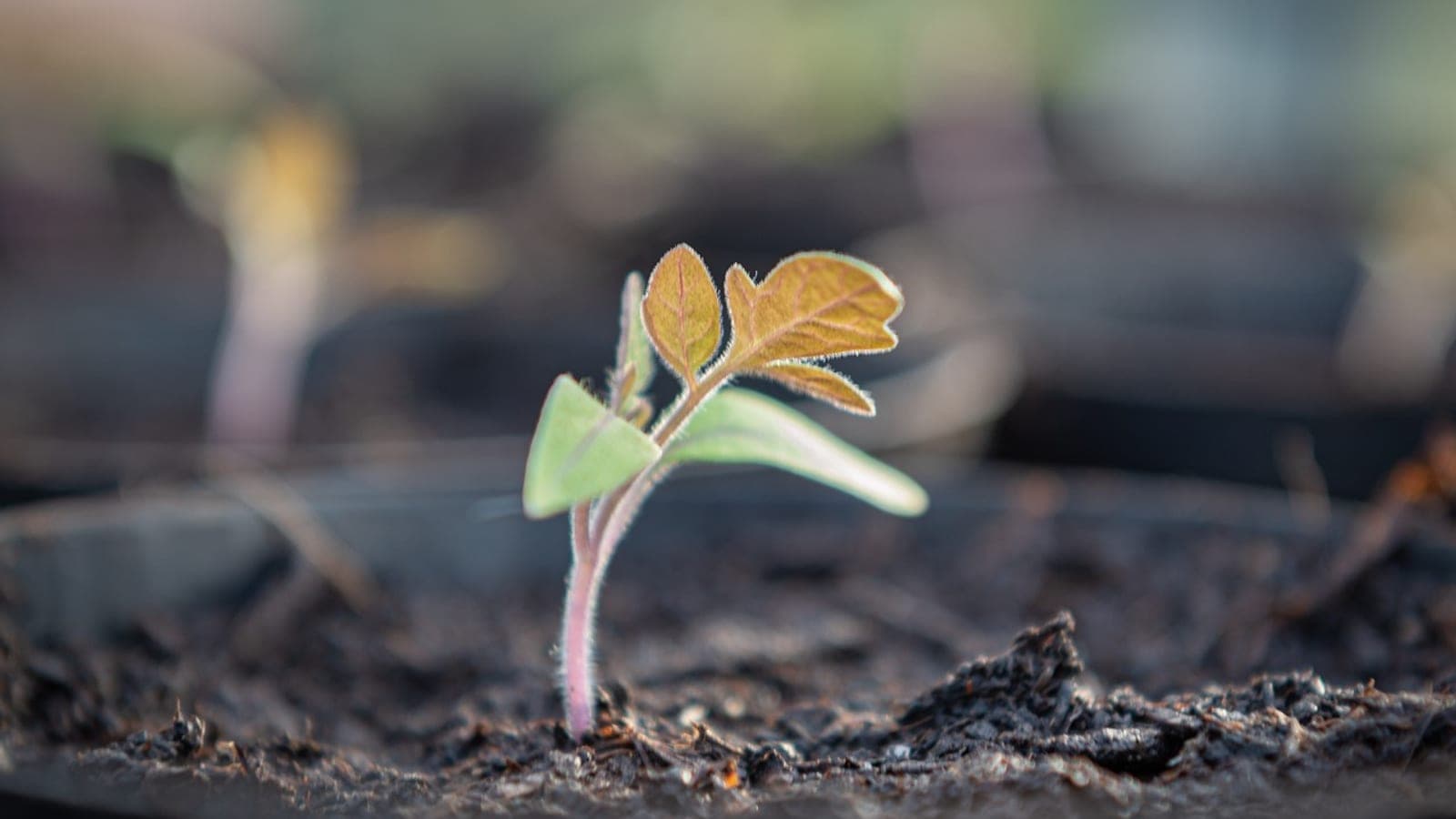
White Mould on Plant Soil: Harmless or a Warning?
White fluff on the soil is usually a harmless fungus feeding on the compost, but it tells you the surface stays too wet. How to tell it apart and clear it.
How much water a plant needs changes with its pot, its room and the season. These guides cover reading the pot rather than the calendar.
11 articles. See everything on the blog.
8 min read
White fluff on the soil is usually a harmless fungus feeding on the compost, but it tells you the surface stays too wet. How to tell it apart and clear it.
8 min read
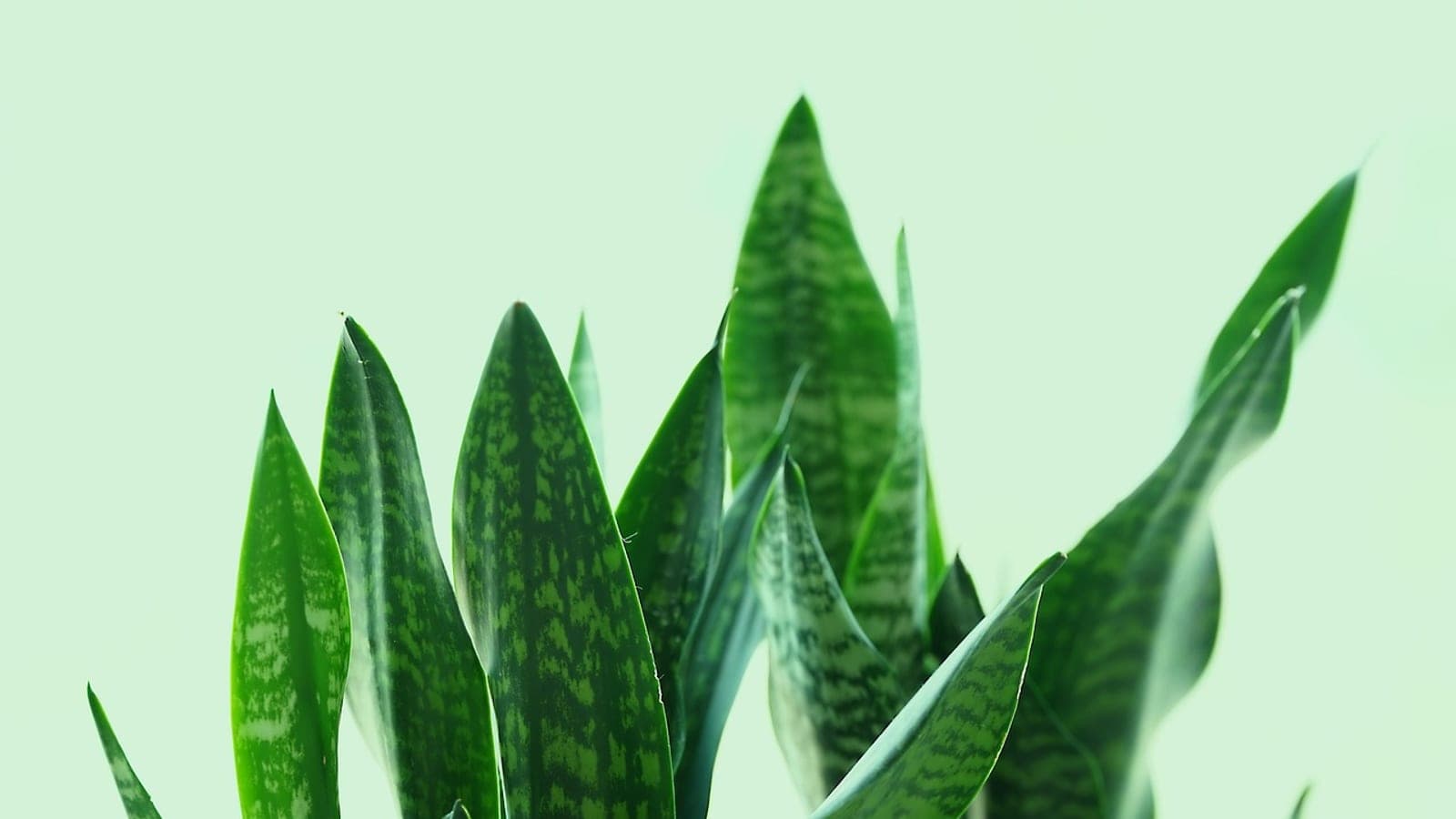
Snake plant leaves flopping or bending is usually overwatering, low light or a pot too light for the plant. How to tell which, and what to do for each.
9 min read
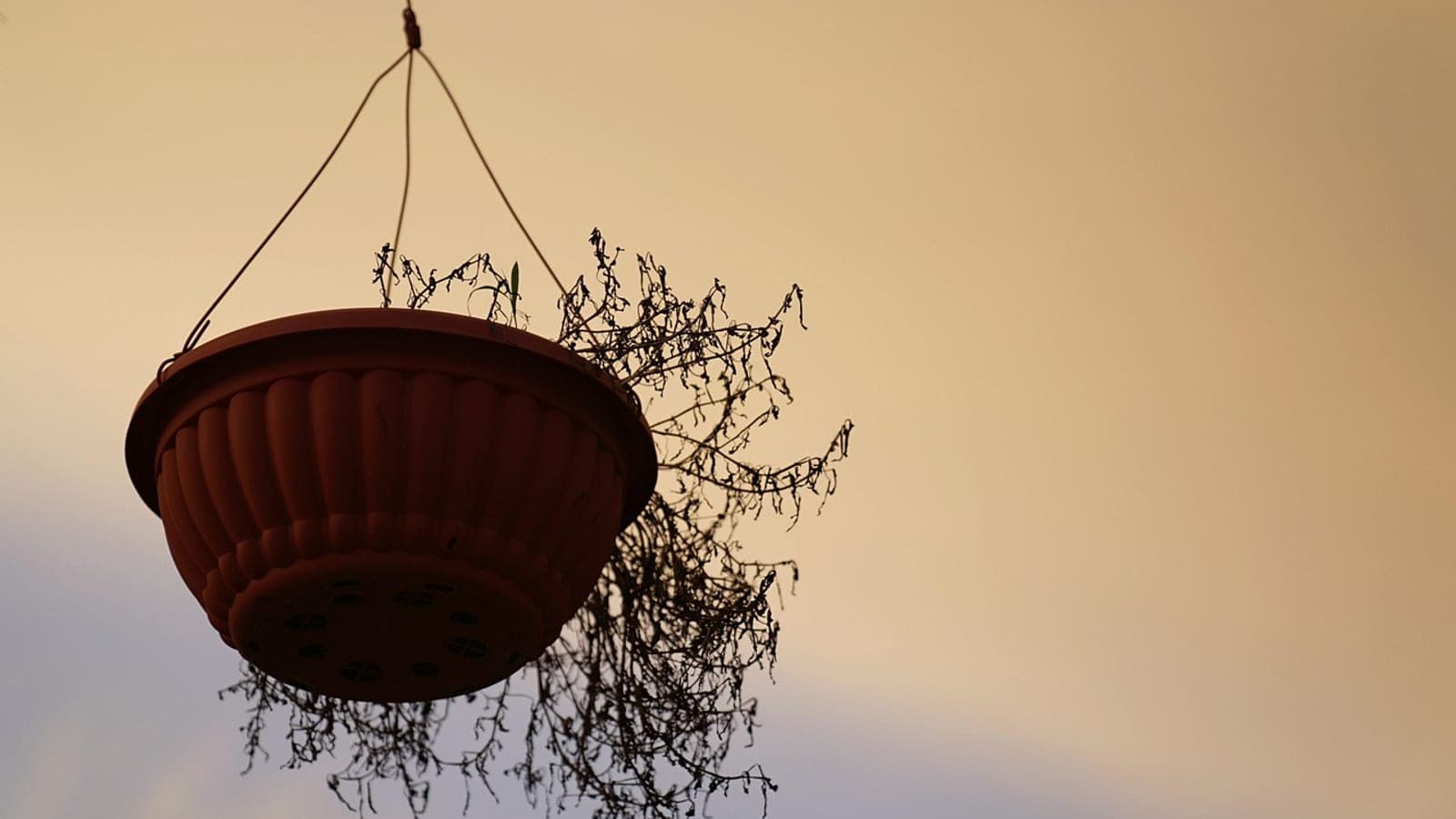
A struggling houseplant can often be saved while its stems are green inside. How to check, find the cause, act today and nurse it back over the weeks after.
8 min read
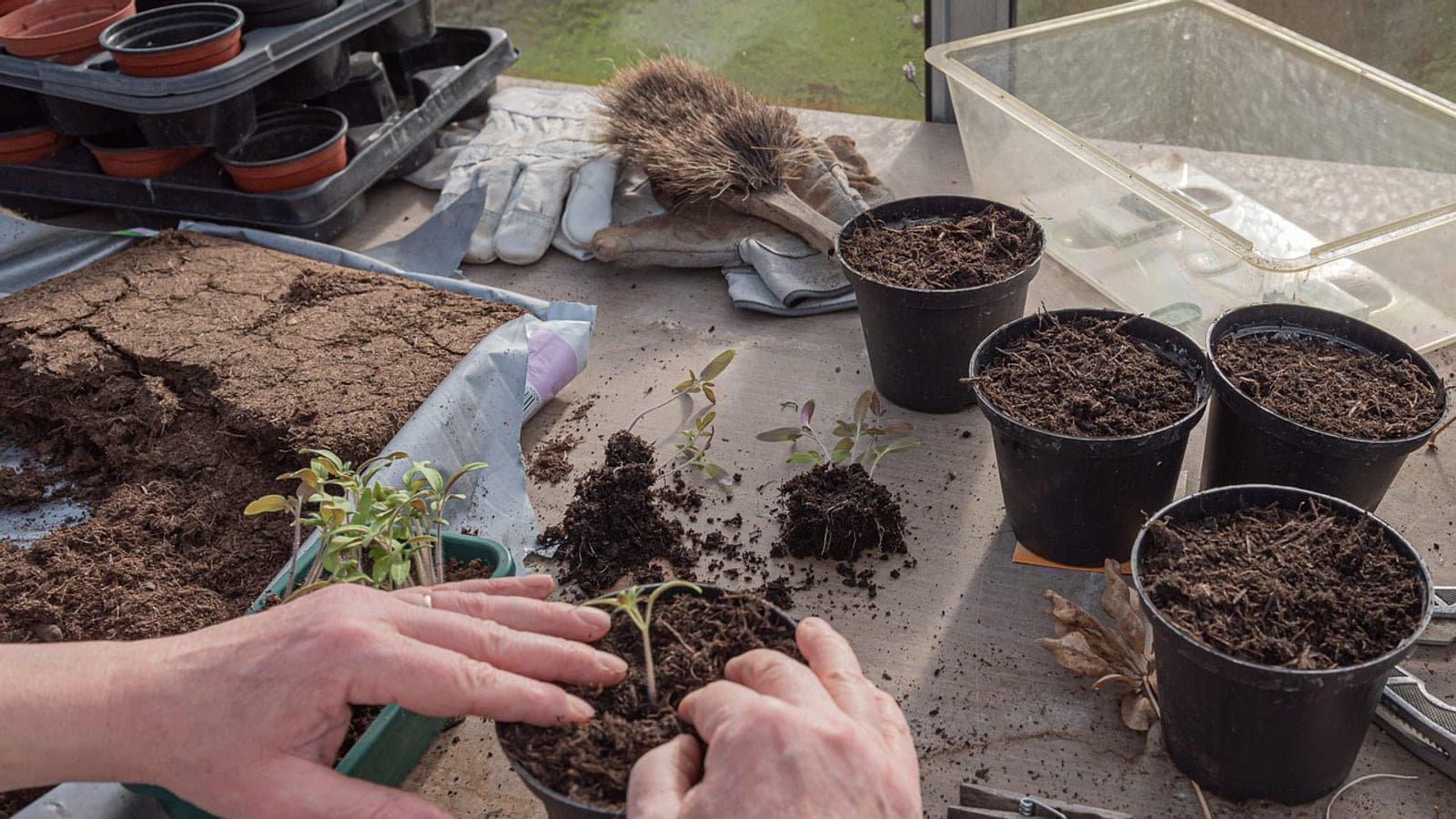
Drooping after repotting is usually shock and passes in days to weeks. Here is how to tell it from overwatering or a pot that is too big, and what to do.
8 min read
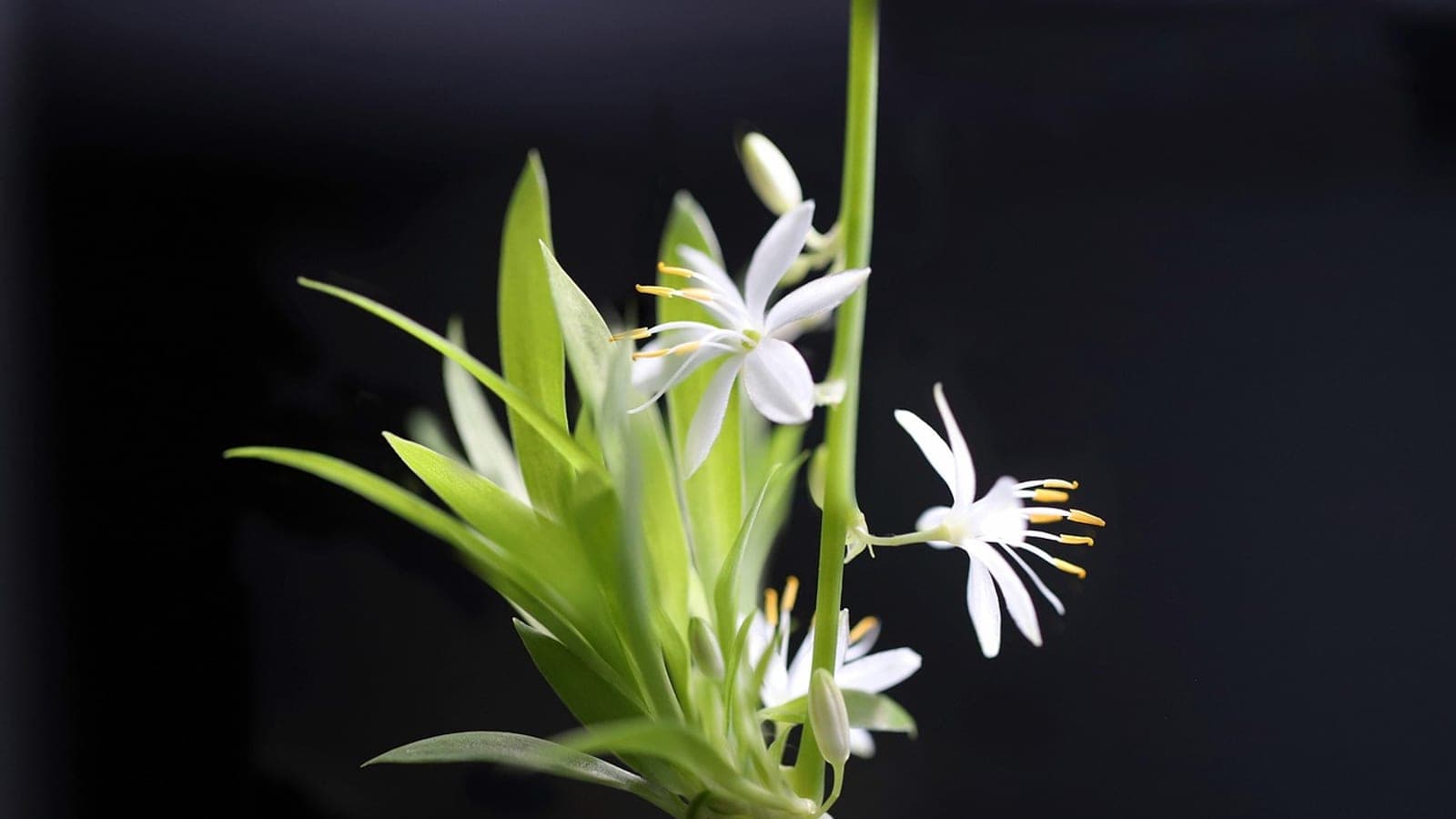
Brown tips on a spider plant are almost always salts in the compost or very dry air. How to tell which, what to change, and how to trim them tidily.
9 min read
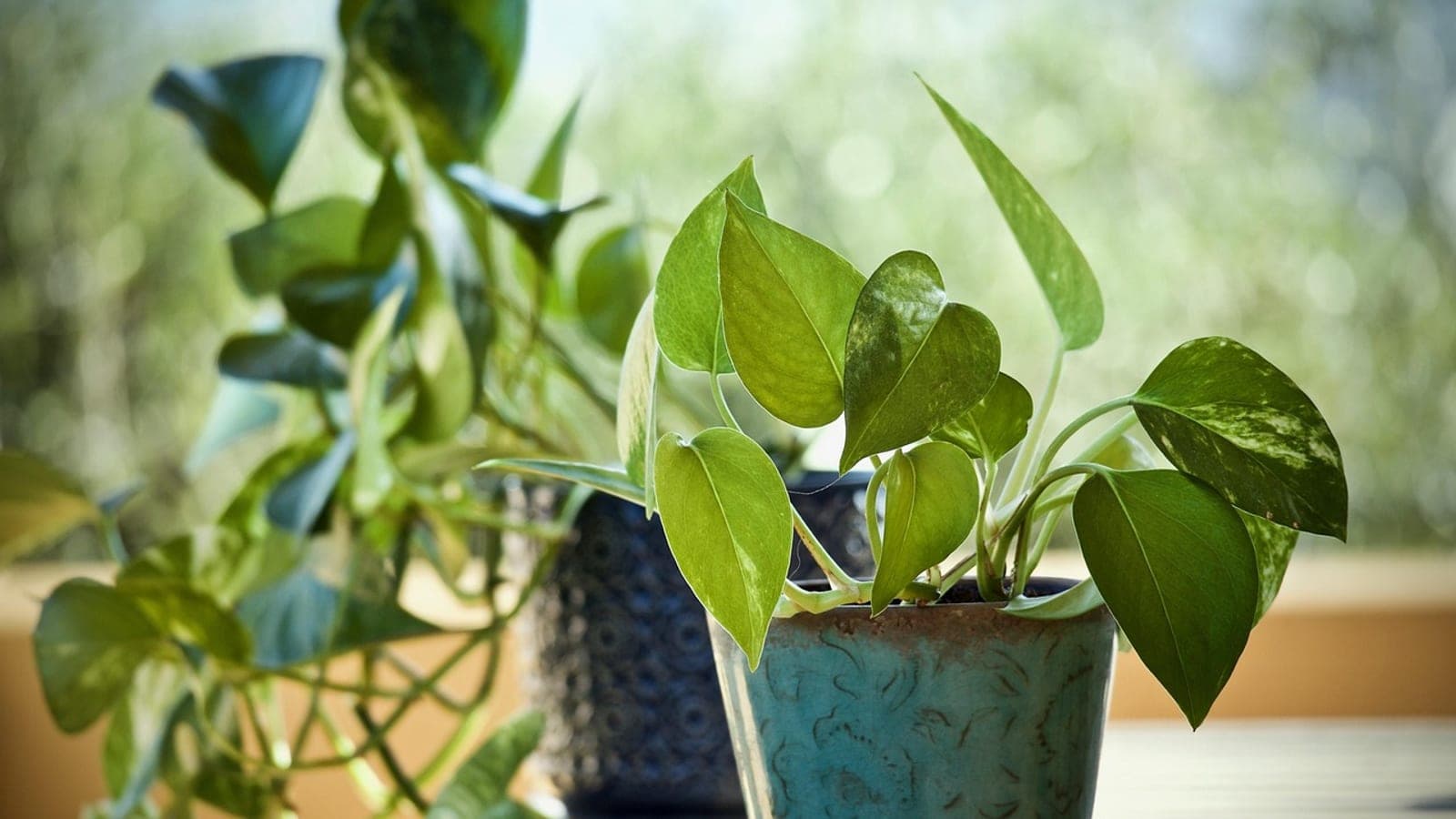
Yellow pothos leaves are usually a watering problem, most often too much. Here is how to tell wet from dry, and what light, cold and pots have to do with it.
8 min read
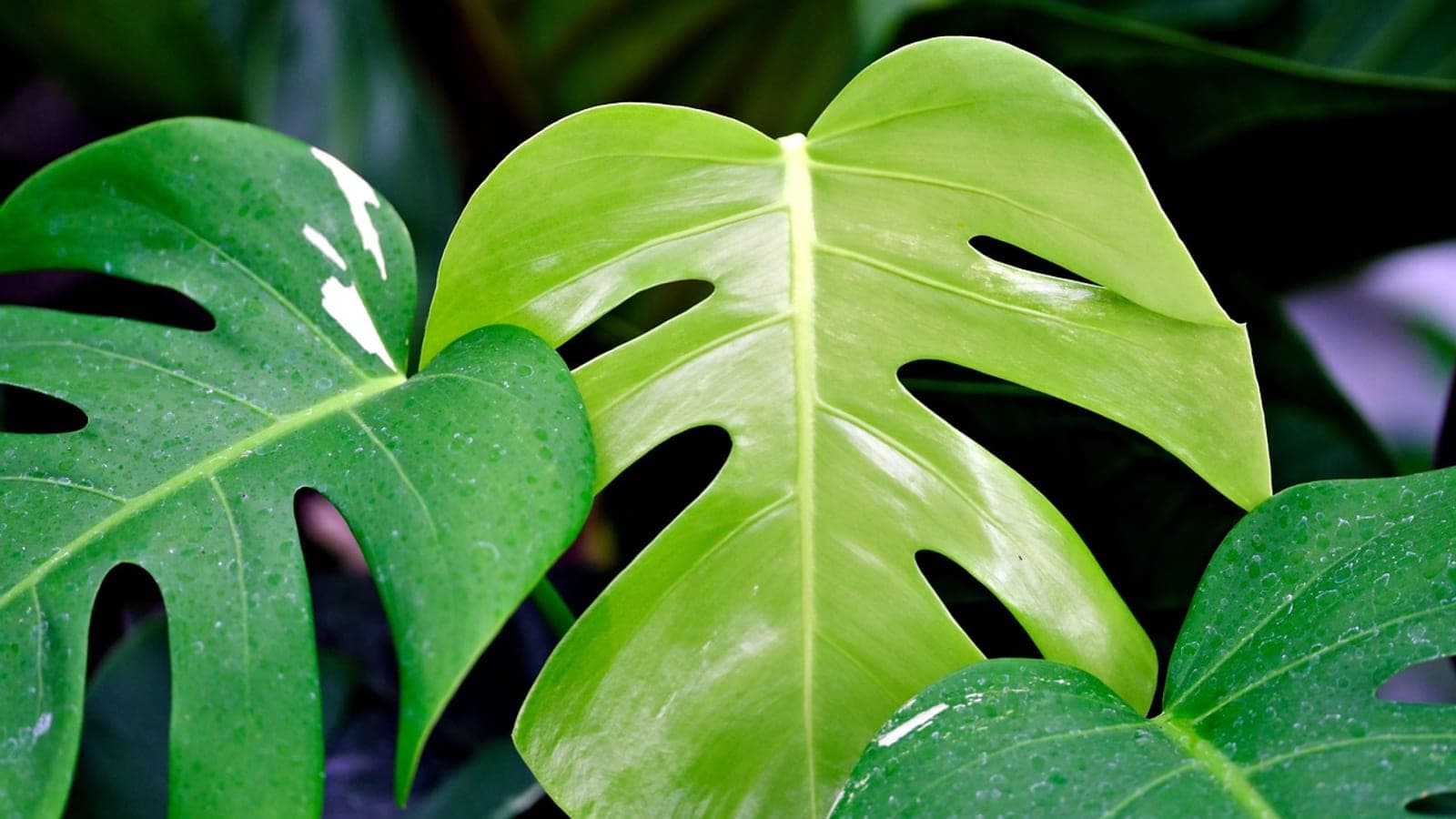
Yellow and brown monstera leaves usually mean too much water, too little light or a drying root ball. Here is how to tell which, and what to do first.
9 min read
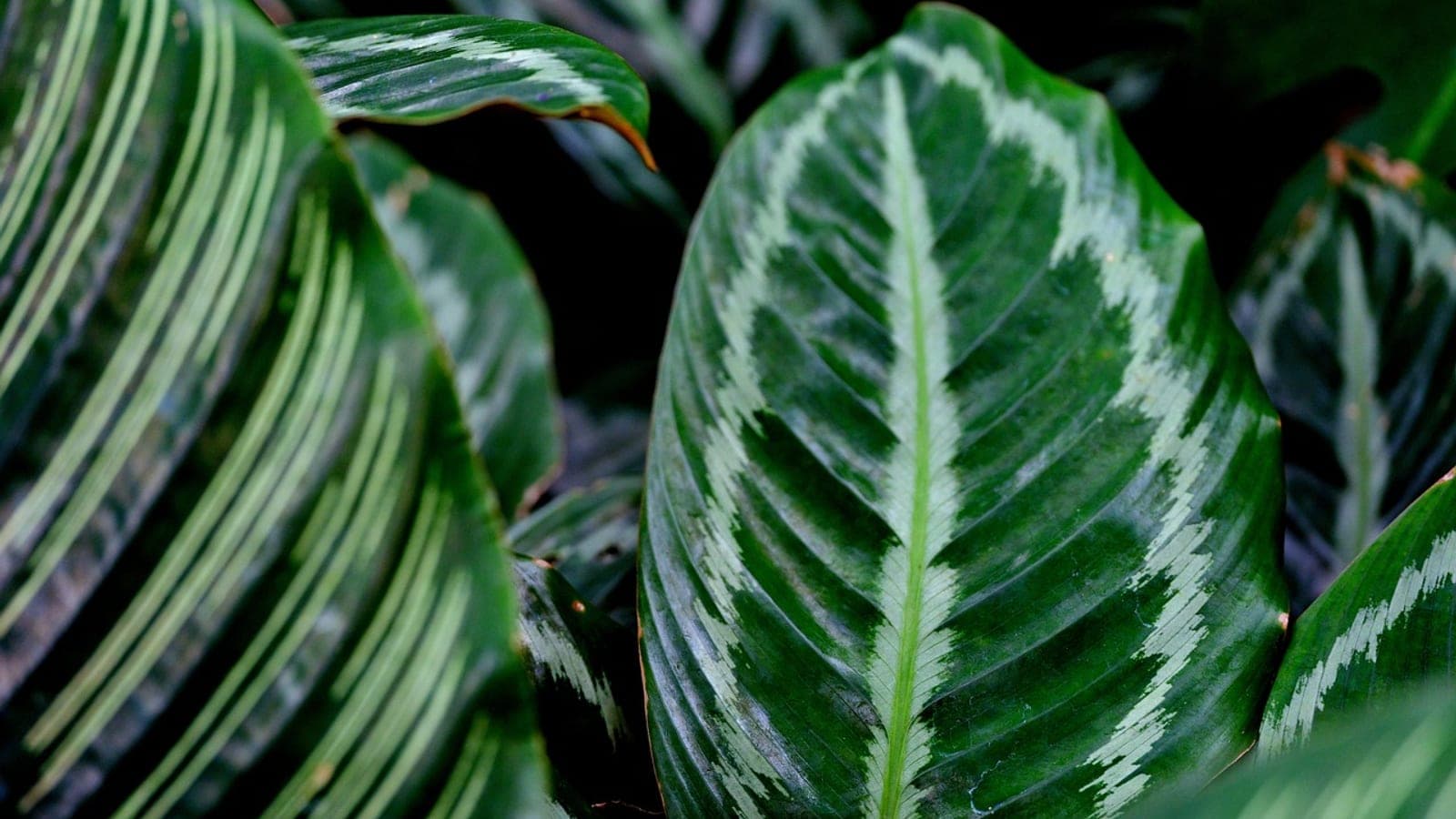
Curling calathea leaves are almost always a thirst or dry air signal. Here is how to tell which, what else causes it, and how to get the leaves flat again.
9 min read
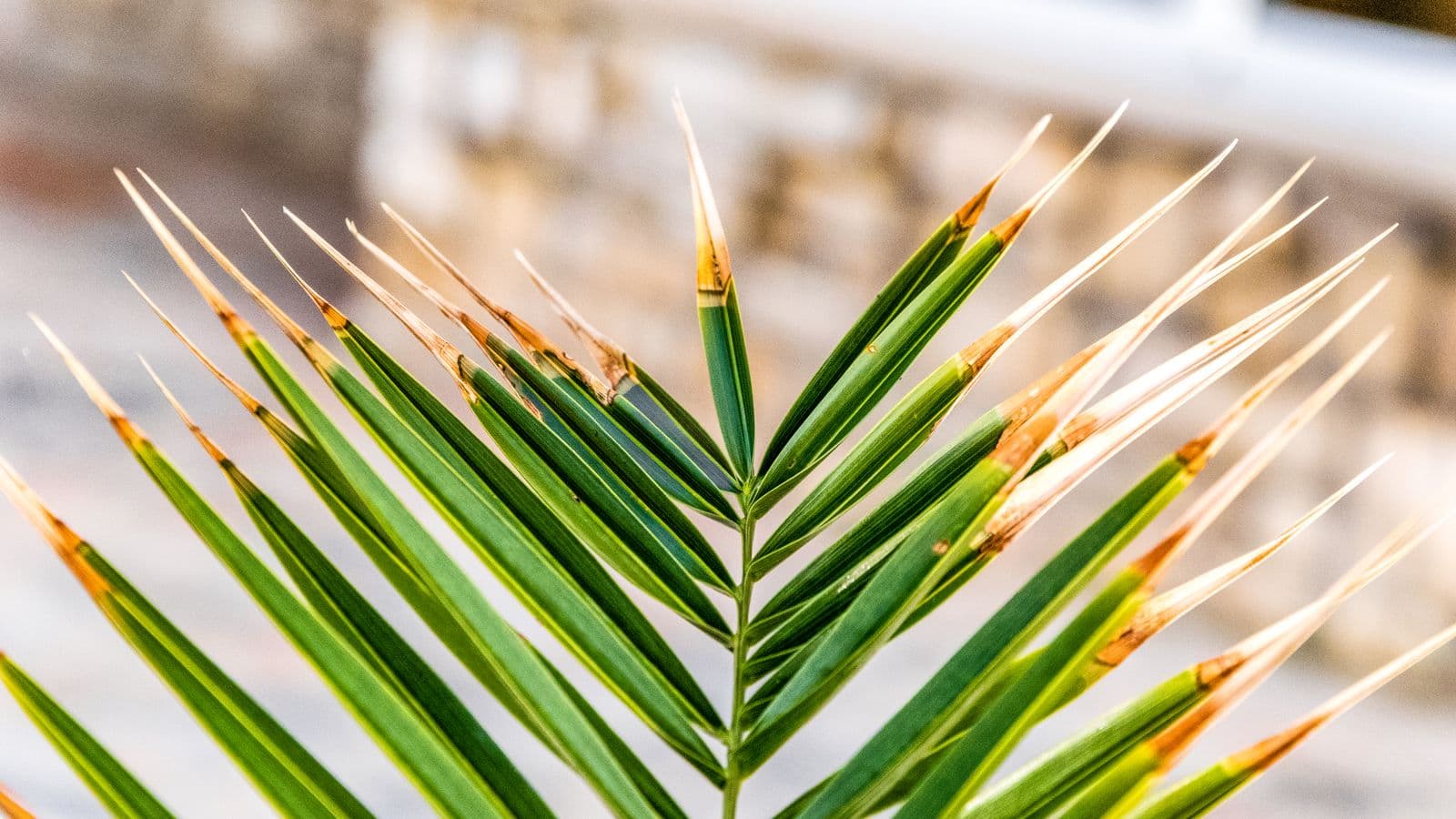
Brown tips are a symptom, not a diagnosis. How to tell dry air from salt build-up, thirst from failing roots, and what to change for each one.
8 min read
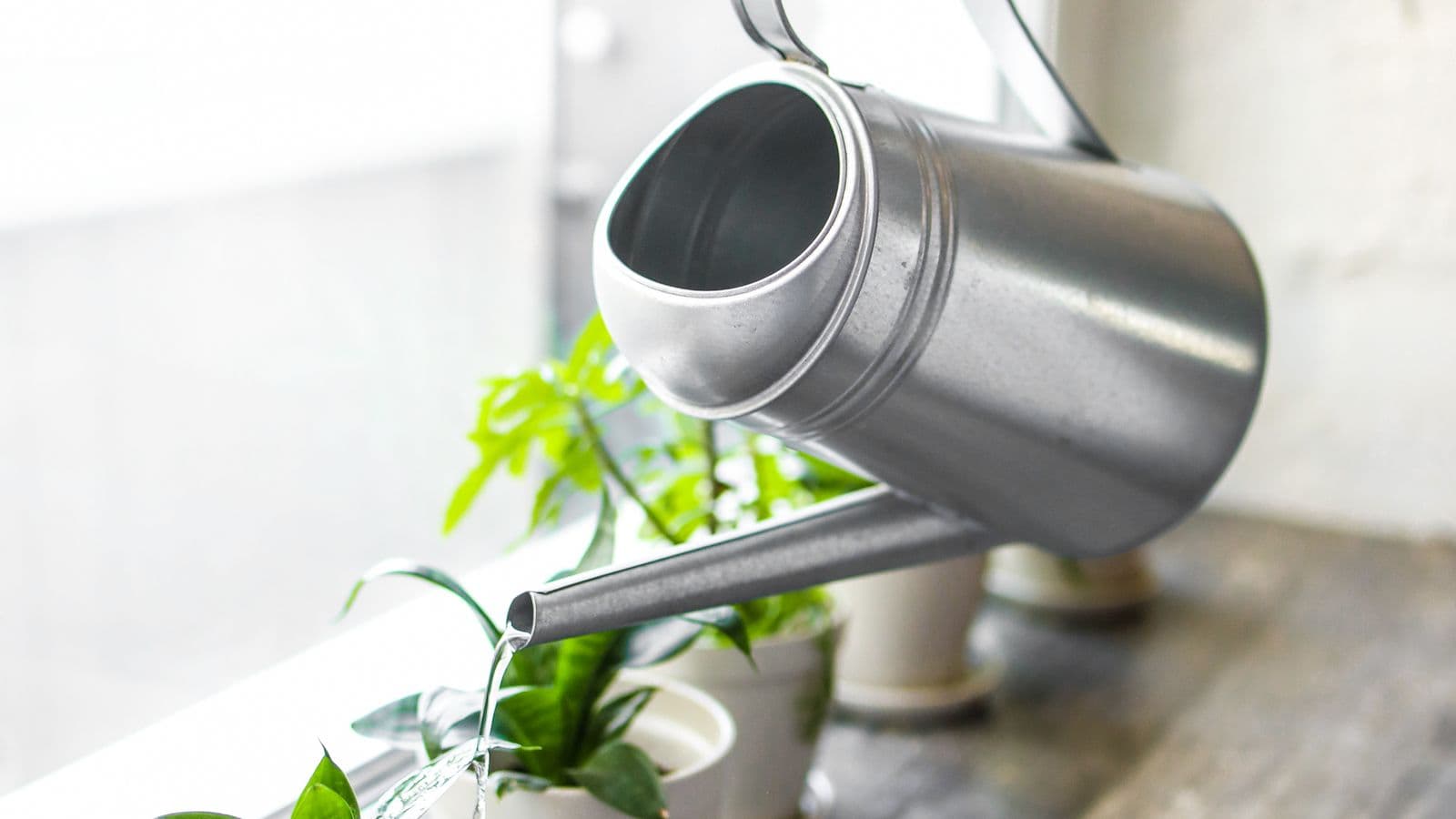
Once a week is the answer that kills plants. What actually sets a watering interval, how to read a pot in ten seconds, and how to water properly.
9 min read
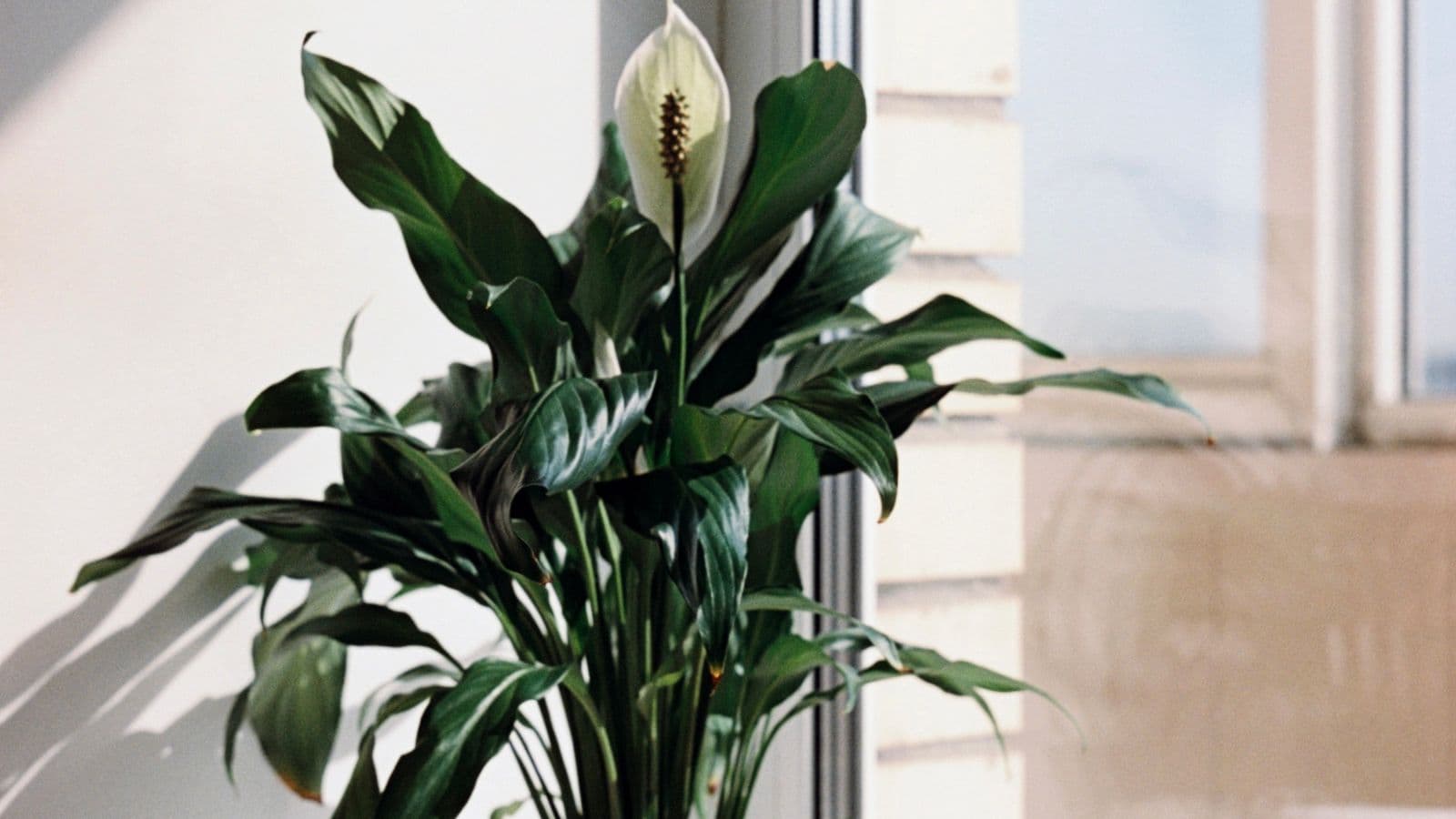
A drooping peace lily is usually thirsty and recovers in hours. Here is how to tell that apart from root rot, cold and shock, and what to do for each.

Get started with plant care that keeps adapting. No credit card required. Start free, stay free or upgrade to Folly Pro for advanced features.

