Why Is My Plant Drooping After Repotting?
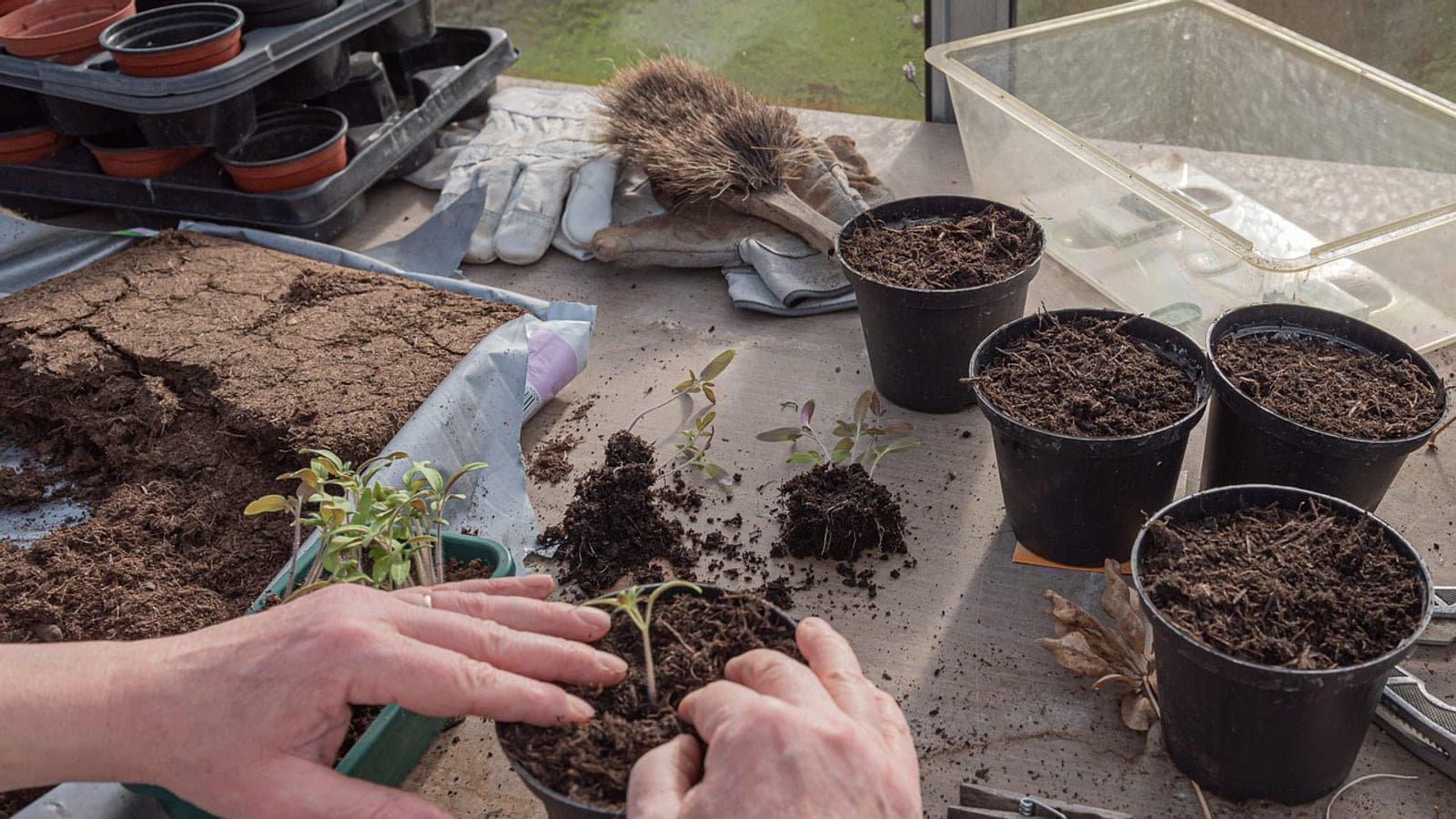
Photo by AndreasGoellner on Pixabay
Drooping after repotting is usually shock and passes in days to weeks. Here is how to tell it from overwatering or a pot that is too big, and what to do.
The short answer
- Drooping after repotting is normal. Roots were handled and some were broken, so the plant cannot drink as fast as it loses water. It usually passes within days to weeks.
- Do not water it back to health. Check the compost (potting mix) a finger's depth down and water only if it is dry.
- Persistent drooping with wet, heavy compost means overwatering or a pot that is too big. That needs action, not patience.
- Keep it where it was: same light, no draughts, no feed, no second move.
Why plants droop after repotting
Every repot damages roots. Fine root hairs, which do most of the drinking, tear off as the plant comes out of the old pot, and the roots that remain are suddenly in different compost, with different air and water around them. For a while the plant loses water through its leaves faster than the roots can replace it. The leaves go limp.
That is transplant shock, and it is expected. The Illinois Extension notes that houseplants may wilt and die back a bit after repotting. A plant that was healthy before the move almost always recovers on its own if you leave it steady and do not add problems.
The difficulty is that shock looks identical to two problems you caused by repotting and can fix. So the first job is working out which one you have.
Shock, overwatering or the wrong pot: how to tell
Do these checks before you water, move or trim anything. The same checks work on any plant, and our guide to how often to water houseplants explains them in more depth.
Push a finger into the compost
Go about 5 cm (2 in) down, past the surface. Dry at that depth means the plant is thirsty and a drink is fine. Cool and wet days after repotting means the roots are not drinking, so do not add more.
Lift the pot
A pot that is still heavy several days after you watered it is holding water the roots are not using. Compare it with how light it feels when truly dry.
Feel a drooping leaf
Shock leaves are limp but still hold their colour and have some body. Leaves that go soft, translucent or yellow at the base of the plant point to rot.
Smell the compost
Healthy compost smells of nothing much. A sour or stagnant smell means roots are suffocating.
Compare the pot with the root ball
If a small plant now sits in a pot with a wide margin of loose compost all around it, the pot is probably too big. That compost stays wet for weeks.
If the compost is dry, water thoroughly until it runs from the drainage holes, then empty the saucer. If it is damp or wet, leave it alone. Shock plus damp compost is the normal picture, and the cure is waiting.
What to do for a plant in shock
Shock needs less from you than you think.
- Keep conditions steady. Leave it in the same spot with the same light. A new light level on top of new roots is two changes at once.
- Water by the compost, not by the leaves. Damaged roots drink less, so the compost stays wet longer than before the repot. Check at depth and water when it is dry there. A drooping plant is not asking for water if the pot is still damp.
- Do not feed. Fertiliser (fertilizer) pushes growth the roots cannot support yet. Wait until there are signs of new leaves.
- Keep it out of direct sun and draughts. Leaves lose water faster in hot sun, a cold window or a stream of dry air, and the roots cannot make up the difference.
- Leave the leaves on. A drooping leaf is still feeding the plant. Cut off only what has gone fully brown or mushy.
- Resist the second move. Pulling a plant out to check on it re-damages the roots you are waiting for.
Most plants stabilise within days and show new growth within weeks. A plant that stays still for a while is rebuilding roots first, which is the correct order.
When it is the pot, not the plant
If the plant is still drooping and the compost is soaked, the repot itself was the problem. There are three usual causes.
The pot is too big. A large pot holds a lot of compost that no roots reach, and that compost stays wet. Illinois Extension warns that a pot with an excessively large soil volume can lead to root rot because the plant cannot use the available water. The RHS advises that the new pot should be no more than one third larger than the current one. Many people jump two or three sizes because it feels generous. A snug pot dries on schedule and gives the roots something to hold.
The compost is too dense or the pot does not drain. Compost packed down firmly squeezes the air out. Clemson Extension says not to pack the soil to firm or settle it, and to press it gently with your fingers instead. Check that the pot has drainage holes and that the plant is not sitting in water in a cover pot or saucer.
The roots were already rotting. If the plant was drooping before you repotted it, the repot may not have been the right fix. A plant with soft, brown or black roots needs those roots trimmed and fresh compost, then very light watering. The root-rot steps in our peace lily guide apply to most plants.
To check, slide the plant out gently. Firm, pale roots are healthy. Brown, soft roots that slip apart are rotting. If you find rot, cut the soft roots off with clean scissors, repot into fresh free-draining compost in a pot of the right size, and water once, lightly.
Soggy compost is also where fungus gnats breed, so tiny flies hovering over the pot after a repot are another clue that it is staying too wet.
Did you repot at the wrong time or for the wrong reason?
Timing matters. The Clemson factsheet says to repot only as needed during spring and summer while the plant is actively growing. The RHS agrees that it is best to avoid repotting in autumn or winter, when plant growth slows or completely stops. A plant that is not growing cannot rebuild roots, so shock lingers and the compost stays wet.
Whichever hemisphere you are in, that means spring and summer: roughly April to August in the northern hemisphere, and October to February in Australia, New Zealand and South Africa. Where seasons are less distinct, go by whether the plant is putting on new growth.
Repotting also fails when the plant did not need it. Clemson's test is that if roots are in a solid mass around the rootball, the plant needs repotting. Roots circling the base or coming out of the drainage holes are the same signal. If you see neither, the pot was probably fine, and a plant that lost its roots' comfort for no benefit is the one that sulks longest.
If you are in the middle of a cold-weather repot you regret, do not panic. Keep the plant warm and bright, water sparingly, and give it time.
Plants that sulk longest, and plants that shrug it off
Sulk after a repot
- Peace lily
- Droops dramatically at any disturbance, then recovers if the compost is checked rather than flooded. See the peace lily guide for the pot test.
- Fiddle-leaf fig
- Dislikes change in pot and position, and may drop leaves in the weeks after a move.
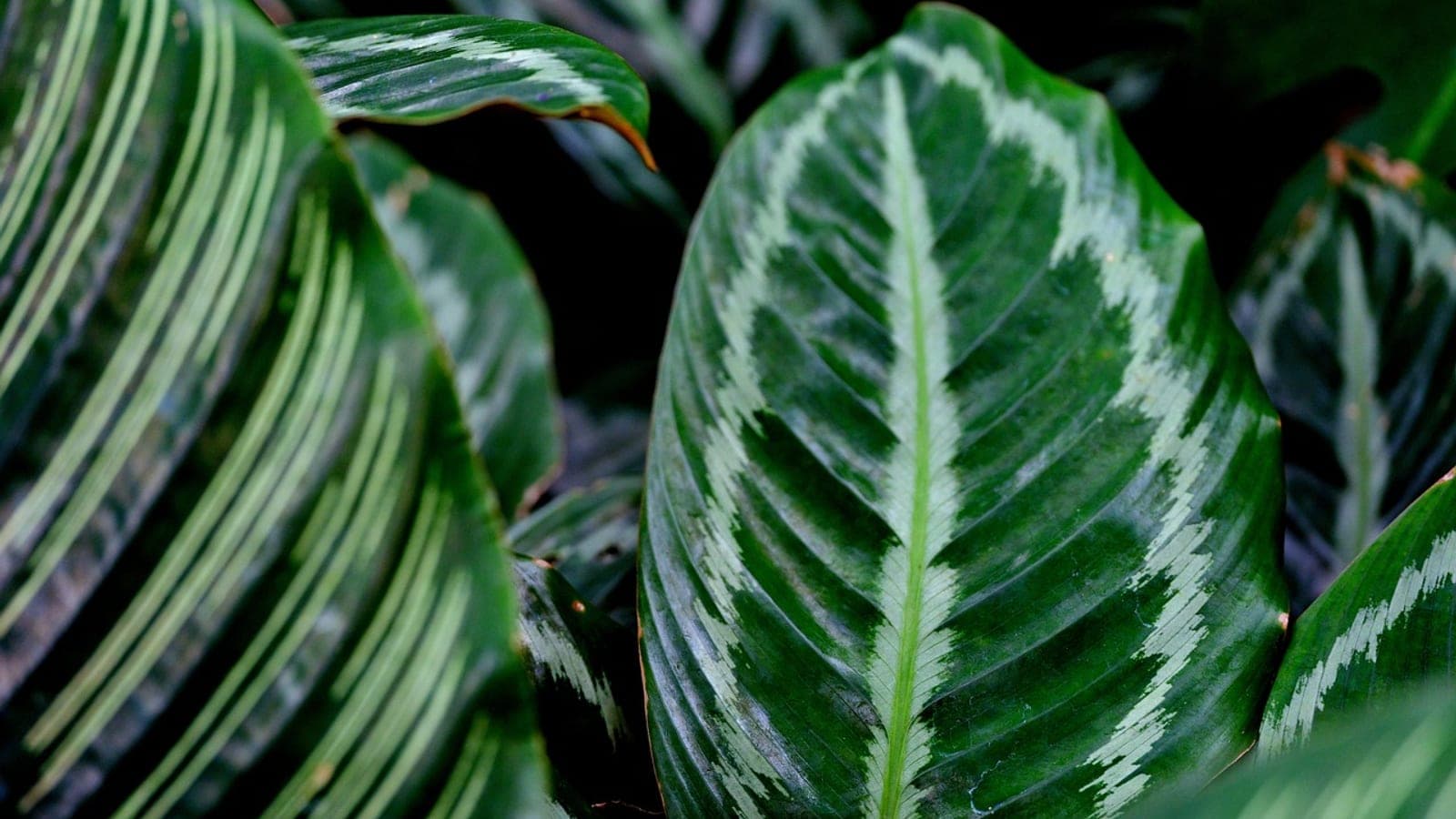
- Calathea and maranta
- Fine roots and a love of steady moisture mean any disturbance shows in the leaves quickly.
Usually shrug it off
- Pothos
- Roots back in quickly and tolerates a missed check. Yellows a leaf rather than collapsing.
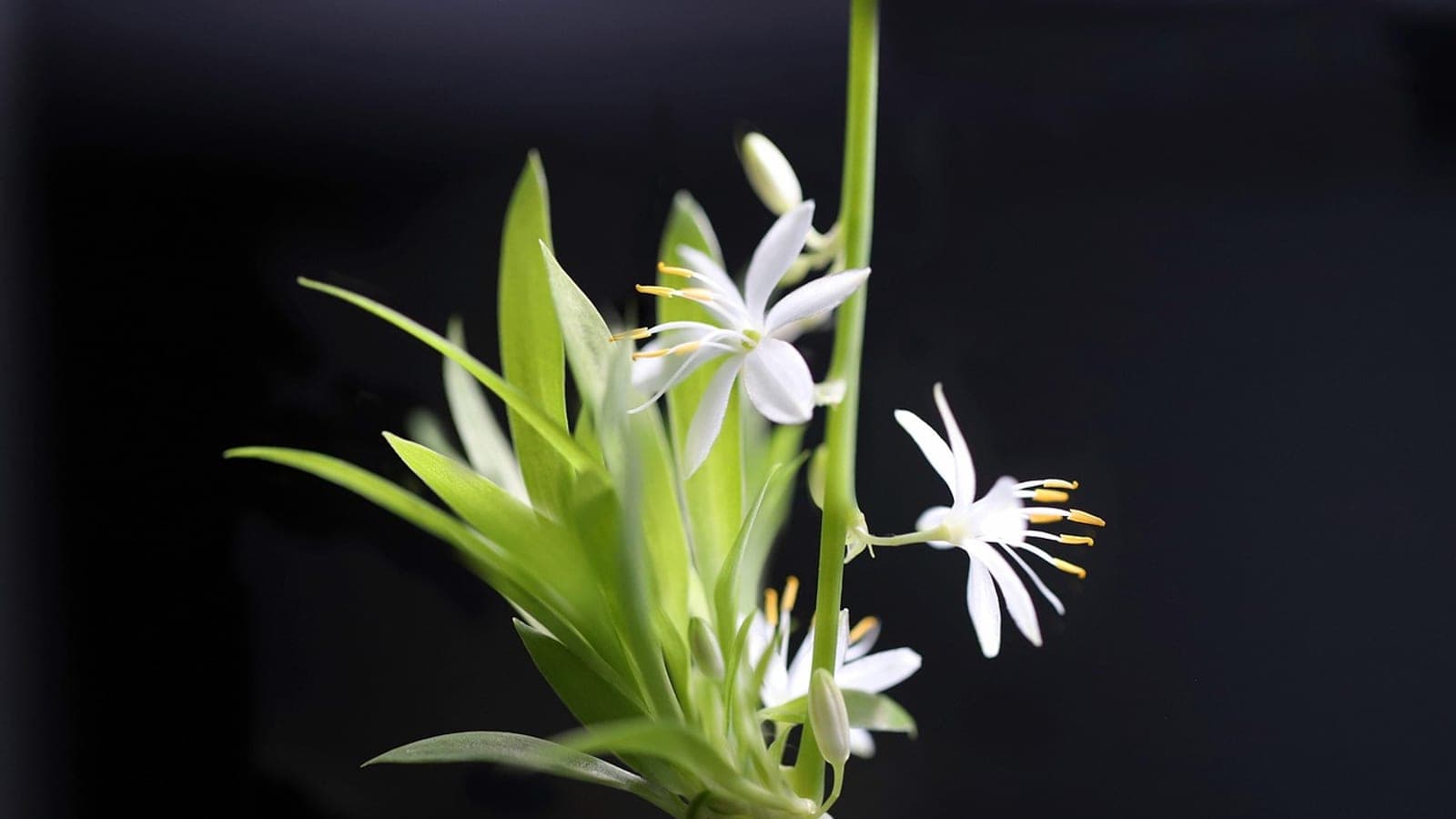
- Spider plant
- Thick storage roots cope with disturbance. Repot when the roots fill the pot, not before.
- Snake plant and ZZ plant
- Store water in their leaves and rhizomes, and mostly hold steady through a repot. Resist watering them to make up for it.
Let Folly watch the part you cannot see
The hard part after a repot is that the evidence is in the pot, not on the leaves. Folly's Smart Care schedules are built on 15+ attributes, including pot size and material, so the new pot changes the watering interval. Tap any plant and you see every factor behind the interval, with the percentage it added or removed. Most apps ask you to trust the number. Folly shows its working, which is exactly what you want when you are trying not to overwater a plant that is already struggling.
If a repotted plant is yellowing, spotting or collapsing in a way the pot checks do not explain, photograph it. Plant Doctor diagnoses from 500+ diseases and pests, each with a step-by-step treatment plan, a recovery timeline and prevention notes. For a monstera in particular, our guide to yellow and brown monstera leaves covers the usual causes in more detail.
Questions people ask
How long does a plant droop after repotting?
Most plants sulk for days to weeks, then firm up and push new growth. Slow growers and plants repotted out of season can take longer. What matters is the direction. Leaves that hold steady or slowly improve are fine. Leaves that keep getting worse, yellow or go soft as the weeks pass need the roots checking.
Why are my monstera leaves turning yellow after repotting?
One or two older leaves yellowing in the weeks after a move is common, as the plant sheds foliage its disturbed roots can no longer support. Many yellow leaves at once, especially with soil that stays wet, point to overwatering or a pot that is too big. Check the compost moisture at depth before you water again.
Should I water a plant that is drooping after repotting?
Only if the compost is dry a finger's depth down, about 5 cm (2 in). The plant was watered in when it was potted, and its damaged roots take up less than before, so the compost stays wet longer than usual. Watering a drooping plant out of worry is the most common way a bout of shock turns into root rot.
Why is my plant not growing after repotting?
The roots are rebuilding first. A plant puts its energy into new roots before new leaves, so growth often pauses for weeks. Repotting in the cold, dark months, or into a pot much too large, stretches the pause further. Keep the light steady, water only when needed, and wait for the growing season.
Should I put my plant back in its old pot?
Not unless the new pot is far too big or has no drainage. Moving a plant a second time adds a second round of root disturbance. If the compost is soaked and not drying, the better fix is to lift the plant out, check the roots and repot once into a pot of the right size.