Watering Plants While You Are on Holiday
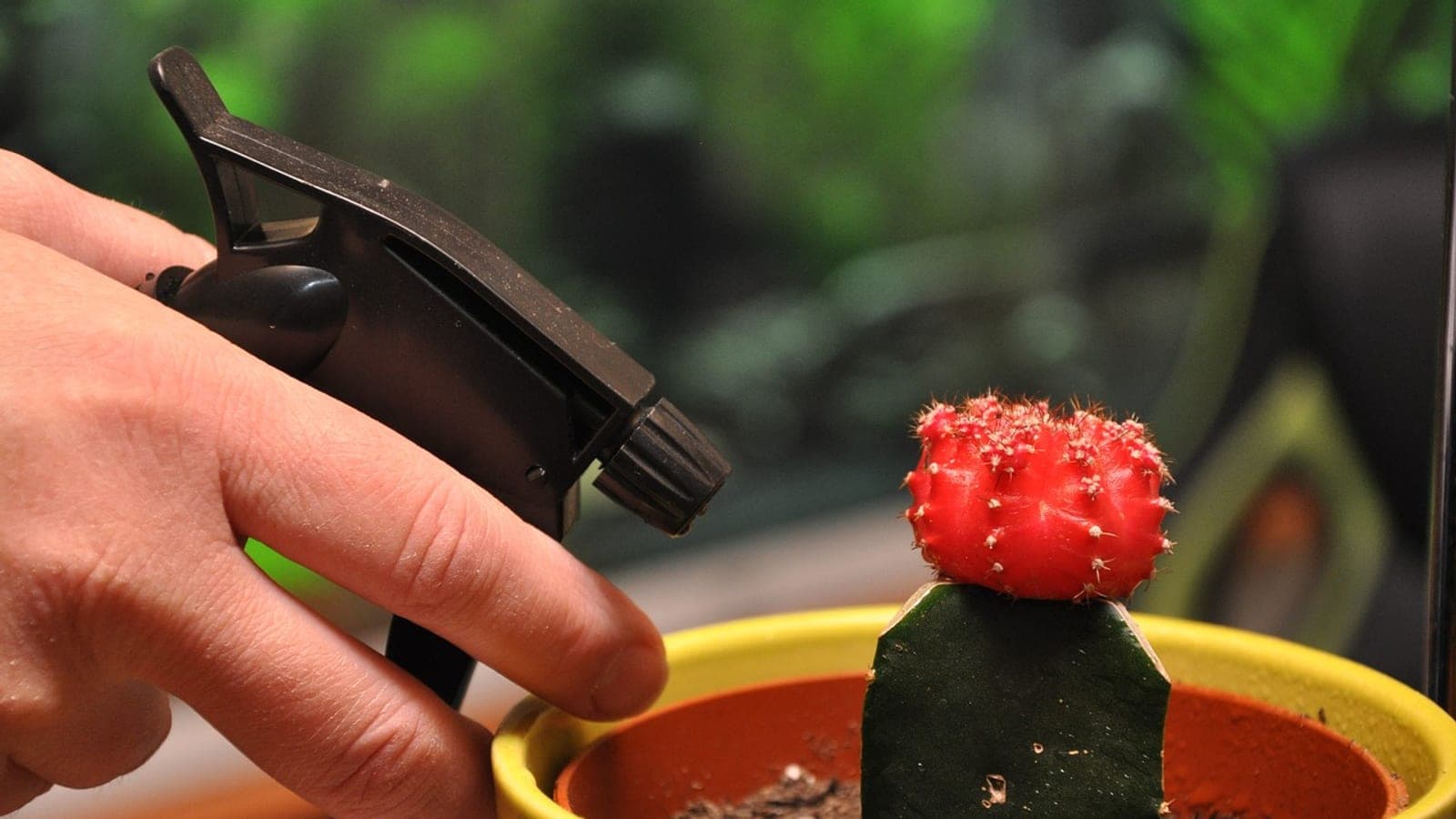
Photo by renateko on Pixabay
Most houseplants cope with a short trip after a good soak. Here is what to do before you leave, which self-watering tricks work, and when to ask a friend.
The short answer
- For a trip of a few days, water thoroughly the day you leave, drain the pots and go. Most houseplants will not notice.
- Move plants off bright sills into a cooler room, out of direct sun. That does more than any gadget.
- For a longer trip, use a wick or capillary mat for thirsty plants, and leave succulents dry and shaded.
- For a long absence, ask someone to water. Give them a written list, not a vague "water when dry".
- Do not repot, feed or change anything the week you leave.
Short trips: water well, then move them
Whether you call it a holiday or a vacation, most houseplants cope with a few days of neglect. The RHS says "most houseplants will tolerate a few days' absence without suffering", so a long weekend needs no gadgets at all.
What helps is doing two things before you shut the door.
Water properly, a few hours before you leave. Soak the compost until water runs out of the drainage holes, then let it drain and empty the saucer. A plant that starts the trip with damp compost all the way down has a full reserve. A plant that got a quick splash on top does not. If you are unsure what a proper soak looks like, our guide to how often to water houseplants covers it.
Move the plants somewhere cooler and dimmer. The RHS notes that in summer, "moving them to a cooler room or away from a bright window will help prevent them drying out". A plant on a south-facing sill (north-facing in the southern hemisphere) in a hot house can use water far faster than the same plant in a shaded hallway. Pull plants back from the glass, or into a room that stays out of direct sun. Close curtains or blinds on the sunniest side if the house will be empty.
In cold weather the same plants use far less water, so a damp-not-soggy start is plenty. Keep the heating on low so the house does not turn cold enough to harm tropical plants, and move them away from chilly glass.
A longer trip: choose the right plants for the right method
Once you are away longer than a few days, the pot itself is the limit. A small pot of compost (potting mix) holds little water. A large one holds more. A plant with thin leaves loses water quickly, while a plant with fleshy leaves stores its own.
Sort your plants into two groups before you choose a method.
Need water supplied while you are away
- Calathea and prayer plant
- Thin leaves, fine roots and a dislike of drying out. They crisp first and recover slowly.
- Ferns
- Want compost that never dries out. A week of neglect on a warm sill will brown the fronds.
- Peace lily
- Will collapse dramatically. It usually recovers after a drink, but each collapse costs it flowers.
- Anything in a small pot
- Little compost means little reserve, whatever the species.
Fine on a thorough soak
- Snake plant and ZZ plant
- Store water in thick leaves and rhizomes. A cool, shaded spot and a good soak will carry them a long way.
- Cacti and succulents
- Leave them dry. Extra water while you are away is a bigger risk than none.
- Large plants in large pots
- A big volume of compost holds a large reserve, and cooler placement stretches it further.
The first group needs a way to take water from a reservoir. The second group needs nothing but a soak and a shady spot.
Self-watering methods that work (and ones that do not)
Gardeners have been trying these for decades, and they vary a good deal in how reliable they are. Try any method for a week while you are at home, so you know it behaves before you rely on it.
Capillary mat on a draining board or beside the bath
Lay a sheet of capillary matting with one end dipping into a sink or bath of water and group small plants on the damp mat, pressing the pots down slightly. Water clay pots thoroughly first so they begin drawing water up.
A wick from a container of water
For one large plant, stand a big container of water beside the pot. Put one end of a strip of capillary matting (or a thick cotton cord) in the water and tuck the other into the compost. The plant takes what it needs and no more.
A bottle pushed into the compost
A water bottle with a small hole in the cap, pushed neck-down into the pot, can work for a larger plant. It is the least predictable method. Some bottles empty in a day, others never drip. Test it before you trust it.
Self-watering pots
These have a built-in reservoir and are good if you already own them. The RHS says self-watering containers are best used as a long-term growing solution rather than a short-term holiday measure, so repotting into one just before a trip is the wrong move.
Whatever you choose, keep the plants out of direct sun while the method does its work. Sunlight speeds water loss so fast that a reservoir can run out in a fraction of the time you planned for.
A long absence: ask someone
For a long trip, the best method is a person. The RHS suggests asking "a trusted neighbour, friend or relative" to water for you, and that is the advice we would follow too.
Make it easy for them:
- Group the plants that need water together, so the helper is not hunting round the house.
- Write the list down: which plants, how much, and which ones to leave alone. "Water when dry" means nothing to someone who has never touched your plants.
- Put the succulents in a different room, with a note saying not to water them.
- Tell them to empty saucers after watering. An over-keen helper is a bigger danger than a forgetful one. Our guide to root rot shows what a plant stuck in wet compost looks like.
Pass on one more instruction. If a plant looks wilted, check the compost before watering. A wilted plant in wet compost needs less water, not more.
When you get back
Do not rush to feed or repot anything. Check each plant, water the dry ones, and expect a few crisp leaf tips on the thirstiest. Trim the dead tips and let new growth replace them.
If a plant looks poor, check the compost and roots before you reach for the watering can. Our guide to saving a dying houseplant walks through what to do and in which order.
Plan the trip with Folly
The hard part of leaving plants is knowing which ones are close to needing water on the day you go. A pothos watered yesterday will wait. A fern due today will not.
Smart Care schedules on Folly Pro are built on more than fifteen attributes, including pot size and material, the light in that room, the season and the weather where you live. Tap any plant and you see every factor behind its watering interval, with the percentage it added or removed. Most apps give you a number and ask you to trust it. Folly shows its working, so before a trip you can see at a glance which plants are due next and which can safely wait.
Folly's care log is free: log a watering for one plant or several at once, and the next due date moves with it. Log it as you pack and you will know what state you left things in. If something looks wrong when you return, photograph it. Plant Doctor checks it against 500+ diseases and pests and tells you the likely cause and what to do first, free.
Questions people ask
How long can houseplants go without water?
It depends on the plant, the pot and the season. Succulents, snake plants and ZZ plants in a cool room can manage far longer than most. Ferns, calatheas and anything in a small pot on a bright sill run short quickly. A thorough soak just before you leave, and a cooler spot out of direct sun, stretch every plant's limit.
Does the water bottle trick work for watering plants on holiday?
It can, but it is unreliable. A bottle pushed upside down into the compost often drains in a day or empties all at once, and a blocked neck gives nothing. A wick from a container of water is steadier. Test either method for a week before you rely on it.
Should I put my houseplants in the bath while I am away?
Only on a mat that wicks water up from the bath or sink, and only for plants that like a steady supply. Plants standing directly in water for days risk rotting roots. Succulents and cacti should never be left this way. Dry, cool and shaded suits them far better.
Can I use self-watering pots instead of a plant sitter?
Self-watering pots are designed for growing, not for a one-off trip, and repotting just before you leave adds stress at the wrong moment. If you already use them, fill the reservoir and go. If you do not, use a wick or a helper instead.
Should I water my plants just before I leave?
Yes, thoroughly, but a few hours before you go rather than at the last minute. Let the excess drain out of the pot and empty the saucer. You want damp compost, not a pot standing in water.