Plant Pots Without Drainage Holes: Can You Use Them?
Photo by LUCA_Finardi on Pixabay
You can use a pot without drainage holes, but two ways work reliably. Here is how to do each, and how to keep roots from sitting in water.
The short answer
- Yes, you can use a pot without drainage holes, but do not plant straight into it if you can avoid it.
- Best option: keep the plant in its plastic nursery pot and stand it inside the decorative one. Lift it out to water, let it drain, and put it back.
- Second best: drill a hole, if the material allows it.
- Last resort: plant directly into the pot and water in small amounts, checking the bottom before you add more.
- Gravel in the bottom does not help. The water still sits there.
Why drainage holes matter
A plant root needs air as well as water. When water has nowhere to go, it fills the gaps between the particles of compost (potting mix) that would otherwise hold air. The roots suffocate, then rot.
The RHS says containers should always have a drainage hole to allow the water to escape. Illinois Extension explains the reason: wet soils favour root rot, because they leave little space for air to get to the roots.
The trouble is that the plant gives you no warning. A pot with no hole looks fine on top while the bottom third turns into a bog. By the time the leaves yellow or the plant collapses, the damage has been running for weeks. If that sounds familiar, our guide to root rot and how to save the plant shows what the roots look like and what to cut away.
None of that means you must bin the pot you love. It means you need a way around the problem.
Option 1: double potting (the cover pot method)
This is the method that works for almost everyone, and it needs no tools.
Nearly every plant you buy arrives in a plastic nursery pot with holes in the base. Leave it there. Stand that pot inside your decorative pot, which becomes a cover pot (also called a cachepot or jardiniere).
Illinois Extension calls this double potting and gives the rule that makes it work: if water accumulates in the bottom of the larger container, remove the inside pot and drain the water from the outside pot.
Pick a cover pot with room to spare
It should be a little wider than the nursery pot, so you can get a hand around the inner pot and lift it out. A pot that fits like a glove makes you wrestle it, and you will stop doing it.
Lift the plant out to water
Take the inner pot to the sink. Water until it runs freely from the holes, then leave it to drip for a few minutes.
Tip out anything in the cover pot
If any water has gathered at the bottom, pour it away before the plant goes back.
Lift the pot and check now and then
Between waterings, lift the inner pot and look in the bottom of the cover pot. Water there means the plant has been standing in it.
A small trick helps if the inner pot sits too low and its rim shows. Raise it on an upturned saucer, a few pebbles or a block of foam, so the plant sits at the right height and the base stays clear of any water that does collect.
Option 2: make a hole
If the pot is plastic, terracotta (unglazed clay) or thin ceramic, a hole is often the neatest answer. Illinois Extension is blunt about it: if the pot does not come with a hole in it, figure out a way to make a hole.
- Ceramic and glazed pots: use a masonry or diamond-tipped bit made for tile and ceramic. Keep the spot wet, drill slowly, and start with a small hole, then widen it.
- Terracotta: the same bit works, again slowly and kept wet.
- Plastic: an ordinary drill bit will do.
- Metal, glass and thick stone: leave these alone. Glass cracks easily and thick stone takes specialist kit.
Then stand the pot on a saucer or feet so water can run out, and empty the saucer after watering. A hole that sits in a pool of water is no better than no hole at all.
Option 3: plant straight in (the last resort)
Sometimes you have a pot you will not drill and a plant you will not leave in plastic. It can be done, but you are removing your safety net. Every drop of water you add stays in the pot until the plant uses it or it evaporates.
If you go this way:
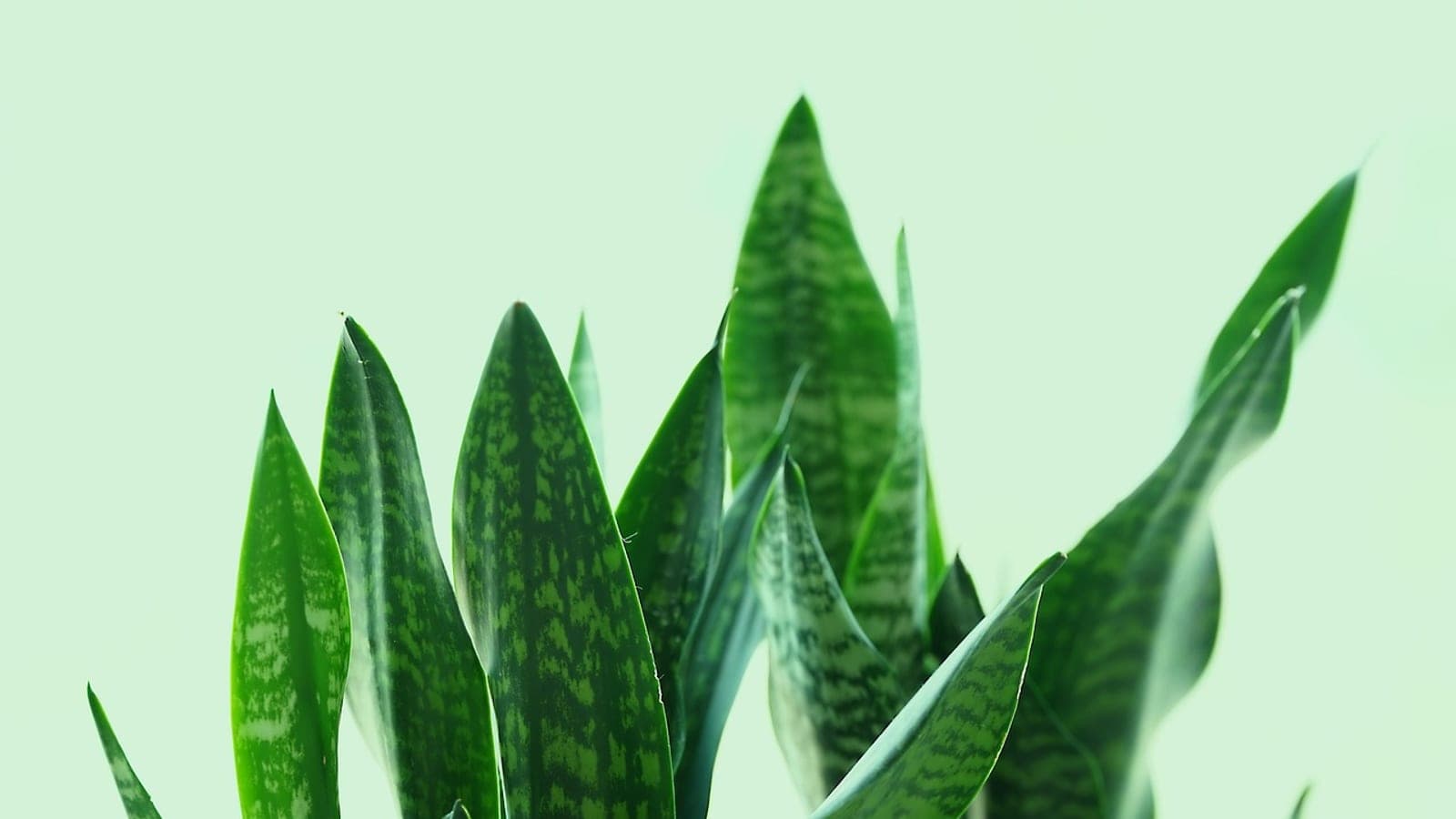
- Choose the right plant. Pick something that tolerates being a little dry rather than a little wet. Avoid succulents, cacti, snake plants and ZZ plants, which rot fastest in wet compost. The overwatered succulent guide shows how quickly that goes wrong.
- Use a free-draining mix. Use compost that holds air, and avoid dense, peaty mixes that stay wet.
- Water in small amounts. Add a little, wait, and check. Do not soak it.
- Check the bottom. Push a finger or a wooden skewer all the way down to the base of the pot. If it comes out wet or dark, hold off.
- Never water to a schedule. The RHS advice is not to water routinely, but to check that the pot needs water first. That matters twice over in a pot with no hole.
A glass vessel helps in one small way: you can see the compost at the bottom and spot a wet layer through the side. It does not fix the drainage, though.
What about gravel, charcoal and "drainage layers"?
This is the most common advice and it does not work. A layer of gravel, pebbles or broken pot at the bottom does not create a space for water to drain into. Water collects at the base of the compost wherever the compost stops, and a stone layer puts that wet zone higher, closer to the roots. It also takes up room the roots could have used.
What does help is a real hole, kept clear. If the hole is large, a flat stone or a piece of broken terracotta over it stops compost washing out.
Signs the pot is too wet
Whichever option you choose, learn what a waterlogged plant looks like, because the signs are easy to blame on something else.
- Yellowing lower leaves, or leaves that drop.
- Wilting even though the compost feels damp. The RHS lists plant collapse, or yellowing leaves which drop as a sign of possible overwatering.
- A sour or musty smell from the compost.
- Fungus gnats hovering over the surface. Our fungus gnat guide explains why soggy compost draws them in.
- A pot that stays heavy for days after watering.
If you see these, slide the plant out and look at the roots. Healthy roots are firm and pale. Rotting ones are brown or black and soft. If the plant has gone downhill, our step-by-step recovery guide sets out what to do next.
Which plants suit which method
Need a hole or a cover pot
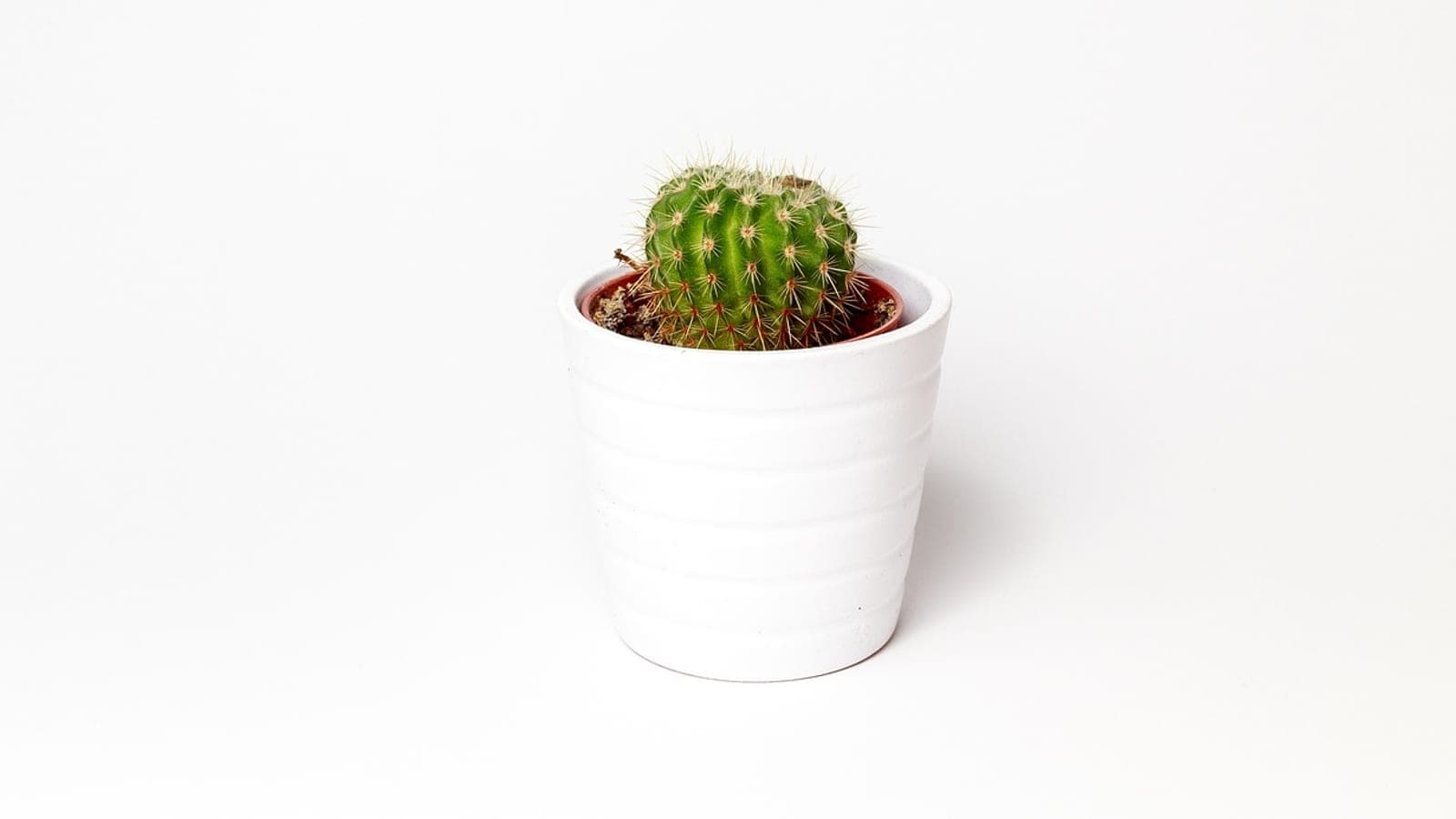
- Succulents and cacti
- They want compost that dries out fully. Sitting in water is the fastest way to lose one.
- Snake plant and ZZ plant
- Thick leaves and rhizomes store water, so wet roots rot long before the leaves complain.
- Orchids
- Their roots need air around them. Keep them in a slotted pot and use the decorative one as a cover.
Forgive a lapse more easily
- Peace lily
- Likes steady moisture and tells you loudly when it is thirsty, but still needs the water tipped away.
- Pothos
- Copes with a few mistakes, though a pot with no hole is still a risk.
- Ferns
- Happy with moist compost, but not standing water.
Let Folly work out how much to water
The hard part of a pot with no hole is knowing how much water is too much. A pot that cannot drain dries out more slowly, so the same plant needs water less often than it would in a pot that does.
Smart Care schedules on Folly Pro build each plant's watering interval from more than fifteen attributes, including its pot, the light in its room, the season and the weather where you live. Tap a plant and every factor is listed with the percentage it added or removed. Most apps hand you a number and ask you to trust it. Folly shows its working, so you can see why a plant in a small terracotta pot gets a different gap from the same plant in a large plastic one.
If a plant has already gone downhill, photograph it and Plant Doctor matches it against 500+ diseases and pests, free, and tells you the likely cause and what to do first. For the broader picture of how often to water, see our guide to how often to water houseplants.
Questions people ask
Can you put a plant in a pot without drainage?
Yes, but not by planting straight into it. The safest way is to keep the plant in its plastic nursery pot and stand that inside the decorative pot. The other way is to plant directly into the pot and water in small amounts, which leaves no margin for error.
Can I drill a hole in a ceramic or glazed pot?
Often, yes. Use a masonry or diamond-tipped bit made for ceramic and tile, keep the surface wet while you drill, and go slowly so it does not crack. Start with a small pilot hole and widen it. Thin or very decorative pots can split, so test on a cheap one first.
Does a layer of gravel at the bottom fix the lack of drainage?
No. Water still collects at the bottom of the pot, and a layer of gravel moves the wet zone closer to the roots while taking up room they could use. It does not replace a hole.
What is the best indoor plant pot without drainage holes?
Whichever one you use as a cover pot. Choose a decorative pot a little wider than the plastic pot inside it, deep enough to hide the rim, and leave a gap at the bottom so the inner pot can be lifted out for draining.
Which plants cope worst in a pot with no drainage hole?
Plants that like their compost to dry between waterings, such as succulents, cacti, snake plants and ZZ plants, rot fastest. Thirsty plants like peace lilies and ferns forgive more, but still need the water tipped away.