Root Rot: How to Spot It and Save the Plant
Photo by 5827444 on Pixabay
Root rot is caught by looking at the roots, not the leaves. Here is how to confirm it, cut it out, repot, and keep the plant alive through the weeks after.
The short answer
- Root rot is confirmed by looking at the roots. Brown or black, soft, mushy roots are rotten. Firm and pale ones are fine.
- Wilting in wet compost is the classic clue, and it fools people into watering more, which is the opposite of the cure.
- The fix is physical. Cut away every soft root, repot into fresh compost in a pot with drainage holes, and water very lightly afterwards.
- If most of the roots are gone, take cuttings from healthy stems while you still can.
- Prevention is a pot that drains and a habit of checking the compost before you water.
What root rot actually is
Roots need air as well as water. Compost that stays saturated drives the air out, the roots start to die, and rot organisms move in on the dead tissue. The Clemson extension service puts it plainly: overwatering decreases the amount of oxygen available for root growth and favors the development of root diseases.
So root rot is rarely a disease that arrives from outside. It is what happens when a pot stays wet for too long, and that usually has a mundane cause: a pot with no drainage hole, a saucer or cover pot full of water, compost that is too dense, a pot far too big for the plant, or watering on a fixed day regardless of whether the plant has used the last lot.
It is most common in the cool, dark months, when plants use less water and compost dries slowly. Our guide to how often to water houseplants shows how to adjust.
The symptoms, above the soil
The leaves tell you something is wrong with the roots, but not exactly what. The RHS notes that overwatering can cause stem rot and dark, mushy roots, alongside leaves yellowing and dropping. In practice you will see some of these:
- Wilting in wet compost. The plant droops even though the pot is heavy and damp. Rotten roots cannot take water up, so the leaves behave as if the plant were parched.
- Yellowing leaves, often the lower or older ones first, followed by leaves dropping.
- Slow or stalled growth. Nothing new for weeks.
- A sour or swampy smell when you put your nose near the compost.
- Soft, dark patches at the base of the stem, which is a bad sign because the rot has moved up.
- Fungus gnats hovering around the pot, because they breed in constantly damp compost. Our guide to getting rid of fungus gnats covers them.
None of these proves root rot alone. Thirst, cold, a recent move and pests can all look similar. That is why the next step matters.
How to confirm it: look at the roots
Slide the plant out of its pot. If it sticks, squeeze the sides of a plastic pot or run a knife round the inside edge. Shake or rinse away enough compost to see the roots properly.
Healthy roots are firm and pale, from white to light tan, and they hold together when you handle them. Rotten roots are different in every way you can feel:
- Brown to black rather than pale. The Clemson factsheet says infected roots are brown to black and may be soft.
- Soft, mushy or slimy.
- The outer layer slips off when you pinch it, leaving a thin thread in the middle.
- A sour smell.
Some plants have naturally dark roots, so judge by texture as much as colour. Firm and dark is usually fine. Soft and dark is rot.
Also look at the base of the pot. The RHS advice is to lift the plant out to see whether water has collected in the base, and to tip away any excess. In a cover pot or saucer, this is often the whole story.
How to treat root rot, step by step
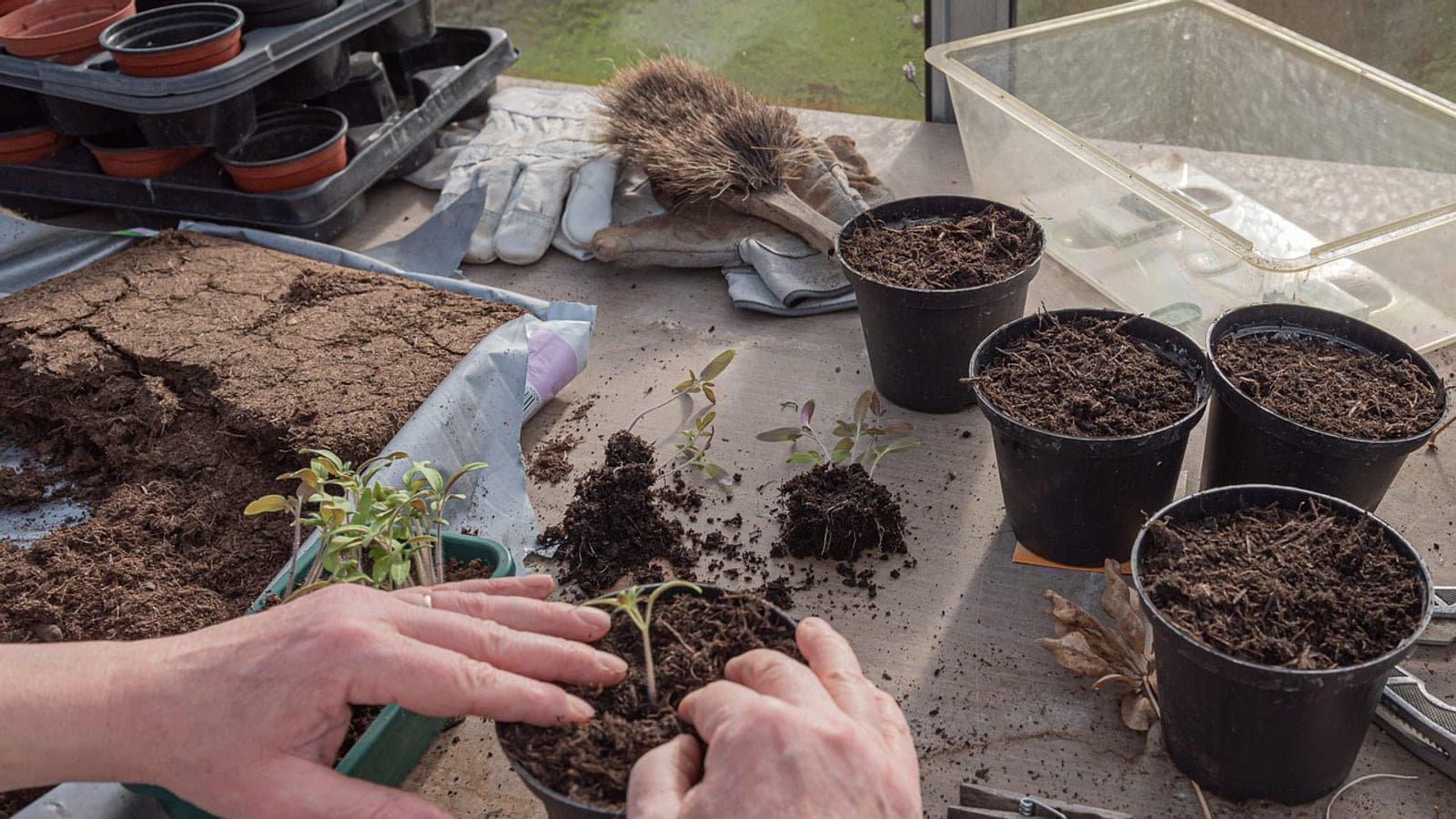
The aim is to remove everything that is dead, give what is left clean, airy compost, and then leave it alone. Work on newspaper or a tray.
Wash the roots
Rinse the root ball under a lukewarm tap until you can see every root. It is far easier to judge what to cut when the compost is not in the way.
Cut away every soft root
Use clean, sharp scissors or secateurs (pruning shears). Cut back to firm, pale tissue. Clean the blades between cuts if the rot is widespread, so you do not spread it to healthy roots. Be brave: leaving rotten root behind defeats the point.
Remove the top growth to match
If you have taken away a large share of the roots, take off a similar share of the leaves, starting with the yellowed and damaged ones. Fewer leaves means less water demand while the roots rebuild.
Throw away the old compost
Do not reuse it. It is full of dead root and stays wet. Wash the pot with hot water and soap, or use a new one.
Repot into fresh, free-draining compost
Use a pot with drainage holes, and go down a size if you have cut away a lot, because a big pot of compost with few roots in it stays wet for weeks. Add extra grit or bark to the compost for a chunkier, airier mix.
Water once, lightly, then wait
Moisten the compost, let it drain fully, and do not water again until the top layer has dried. Keep the plant warm and bright, out of direct midday sun, and away from cold draughts.
The advice from Clemson matches this: if only a few roots are infected, cut out these roots and repot the plant in sterile soil, which for a houseplant means fresh, clean compost (potting mix) rather than the old stuff.
What about fungicides?
Treat them as a last resort. They cannot make a rotten root healthy again, and they do nothing if the pot goes straight back to being soggy. Physical fixes work, and need to come first: remove the rotten roots, replace the compost, fix the drainage. If you do decide to use a product, choose a type that is approved for houseplants where you live and follow the label.
When the plant is too far gone
Be honest about the odds. A plant with a decent amount of firm root left usually pulls through. A plant with almost no roots, or with a stem that has turned soft and brown at the base, probably will not.
Do not give up before taking a cutting. A healthy stem tip, cut well above any soft tissue, can often be rooted in water or fresh compost. Many common houseplants, such as pothos, monstera and tradescantia, root readily this way. You lose the old plant, not the plant. Our guide to saving a dying houseplant sets out the steps for judging what is worth saving.
What recovery looks like
Do not expect a quick turnaround. The plant may look worse for a couple of weeks, and yellowed leaves will not turn green again. Cut them off once it has settled.
Signs that it is working:
- The stem and remaining leaves stay firm.
- No new yellowing.
- A new leaf or shoot appears, usually the clearest sign the roots are working again.
Check the compost with a finger before every watering. The plant needs much less water than before, because it has fewer roots.
If it is a peace lily that has collapsed, our guide to why a peace lily droops shows how to tell thirst from rot, and yellow leaves on houseplants covers the other causes of yellowing.
Which plants rot most easily
Rot quickly if kept wet
- Succulents and cacti
- Built for dry conditions, so a few weeks of wet compost can be fatal. Rot often starts at the base of the stem.
- Orchids
- Their roots need air around them. Bark that stays wet and a pot with no drainage rot them fast.
- Fiddle leaf fig
- Drops leaves in response to wet roots, and by the time they fall the damage is often well advanced.
More forgiving, but not immune
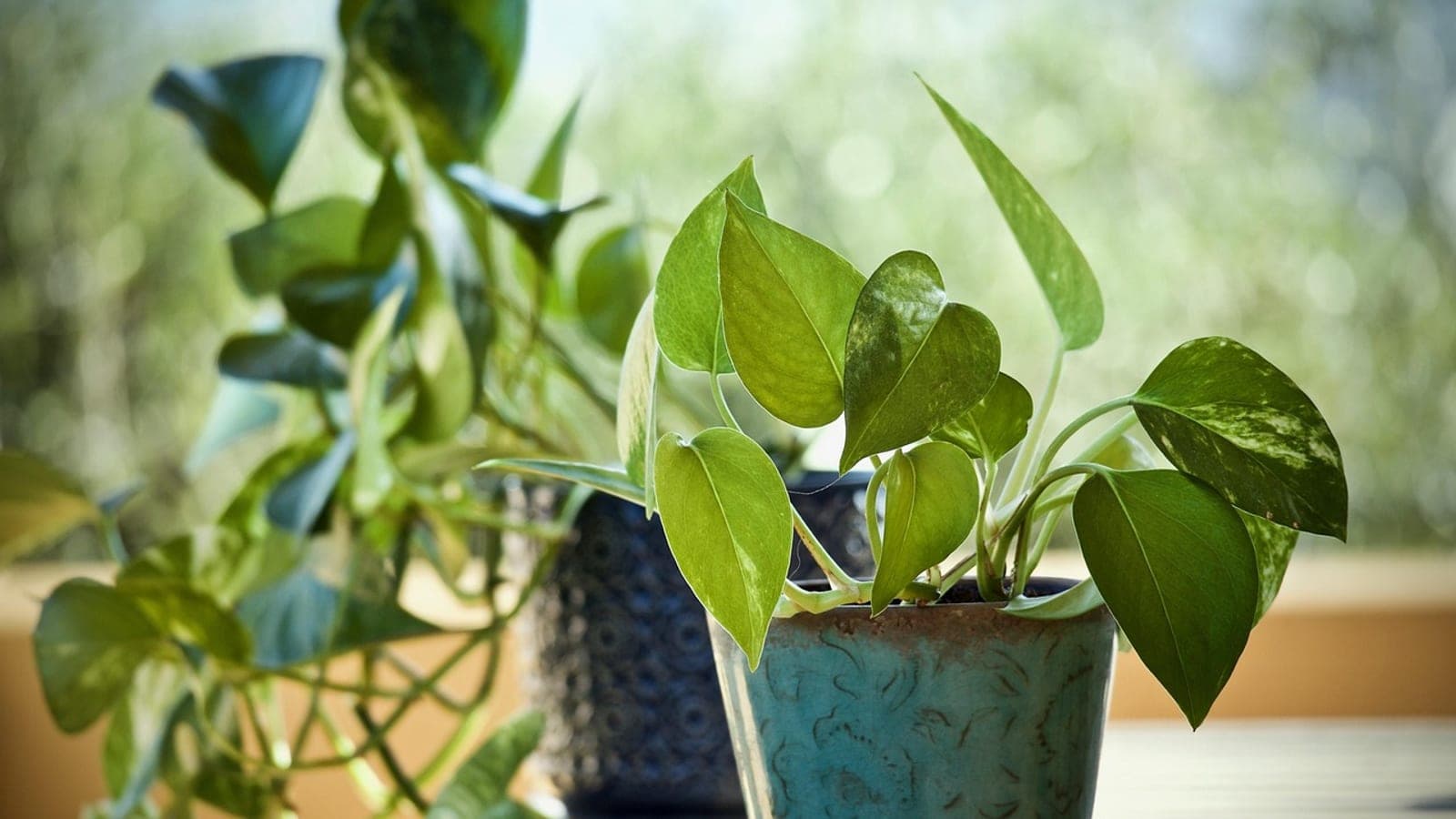
- Pothos
- Tolerates a lot of neglect and roots from cuttings easily, so it is a good plant to rescue.
- Spider plant
- Thick, fleshy roots store water. It forgives a missed watering better than a soggy one.
- Monstera
- Likes to dry slightly between waterings. Cut the rotten roots out and it usually regrows.
How to stop it coming back
Most of prevention is about drainage and about not watering to a calendar.
Use a pot with a drainage hole, and empty the saucer or cover pot after each watering. Choose compost that drains freely, and add grit or bark if you know you tend to overwater. Match the pot to the plant: a pot only a size up from the root ball dries out faster than a large one. And water when the plant needs it, which means checking the compost a few centimetres (an inch or two) down rather than watering every Sunday.
Let Folly catch it earlier
The hard part of root rot is that the leaves look the same whether the plant is thirsty or drowning. If you cannot tell which it is, photograph the plant and Plant Doctor, which knows 500+ diseases and pests, gives you the likely cause, what it looks like, how to prevent it and what to do first. That is free on every plan.
When a health scan finds a problem Folly can treat, "Fix my plant" on Folly Pro asks a few quick questions, such as what the plant grows in, how the soil feels and when it was last watered, and then builds a day-by-day recovery plan. It tells you what to do now and what to expect, with check-ins on set days, and it pauses the plant's normal watering and feeding reminders while the plan runs.
To stop it happening again, Smart Care schedules on Folly Pro build each plant's watering interval from 15+ attributes, and Folly shows every factor with the percentage it added or removed.
Questions people ask
How do I know if my plant has root rot?
Take it out of the pot and look. Healthy roots are firm and pale. Rotten roots are brown or black, soft or mushy, and the outer layer slides off like a sleeve. Above the soil the clues are wilting in wet compost, yellowing leaves and a sour smell from the pot, but only the roots settle it.
Can a plant recover from root rot?
Yes, if enough firm, pale root is left. Cut away everything soft, repot into fresh compost in a pot that drains, and water sparingly while it regrows. If the roots are almost all gone, or the stem base has turned soft, the odds are poor, and taking cuttings from healthy stems is the safer bet.
How do I fix root rot in a monstera?
The same way as any houseplant. Slide it out, trim every brown or mushy root back to firm tissue, and repot into fresh, chunky, free-draining compost. Monsteras are tolerant of drying a little between waterings and intolerant of sitting wet, so water only when the top few centimetres (an inch or two) of compost are dry.
Should I use a fungicide for root rot?
Physical fixes come first: remove rotten roots, replace the compost and cure the wet conditions. A product is a last resort, not a rescue, and does nothing if the pot still stays soggy. If you use one, choose a type approved for houseplants where you live and follow the label.
How long does a plant take to recover from root rot?
Expect weeks, not days. The leaves that have already yellowed will not recover. Look for a new leaf or a firm, upright stem as the sign that the roots are working again, which usually takes several weeks of warm, bright, not-too-wet conditions.
How do I stop root rot coming back?
Use a pot with drainage holes, a free-draining compost, and let the top layer dry before you water again. Tip away any water that collects in a saucer or cover pot. Water by checking the compost, not by the calendar.