Why Is My Aloe Vera Turning Brown?
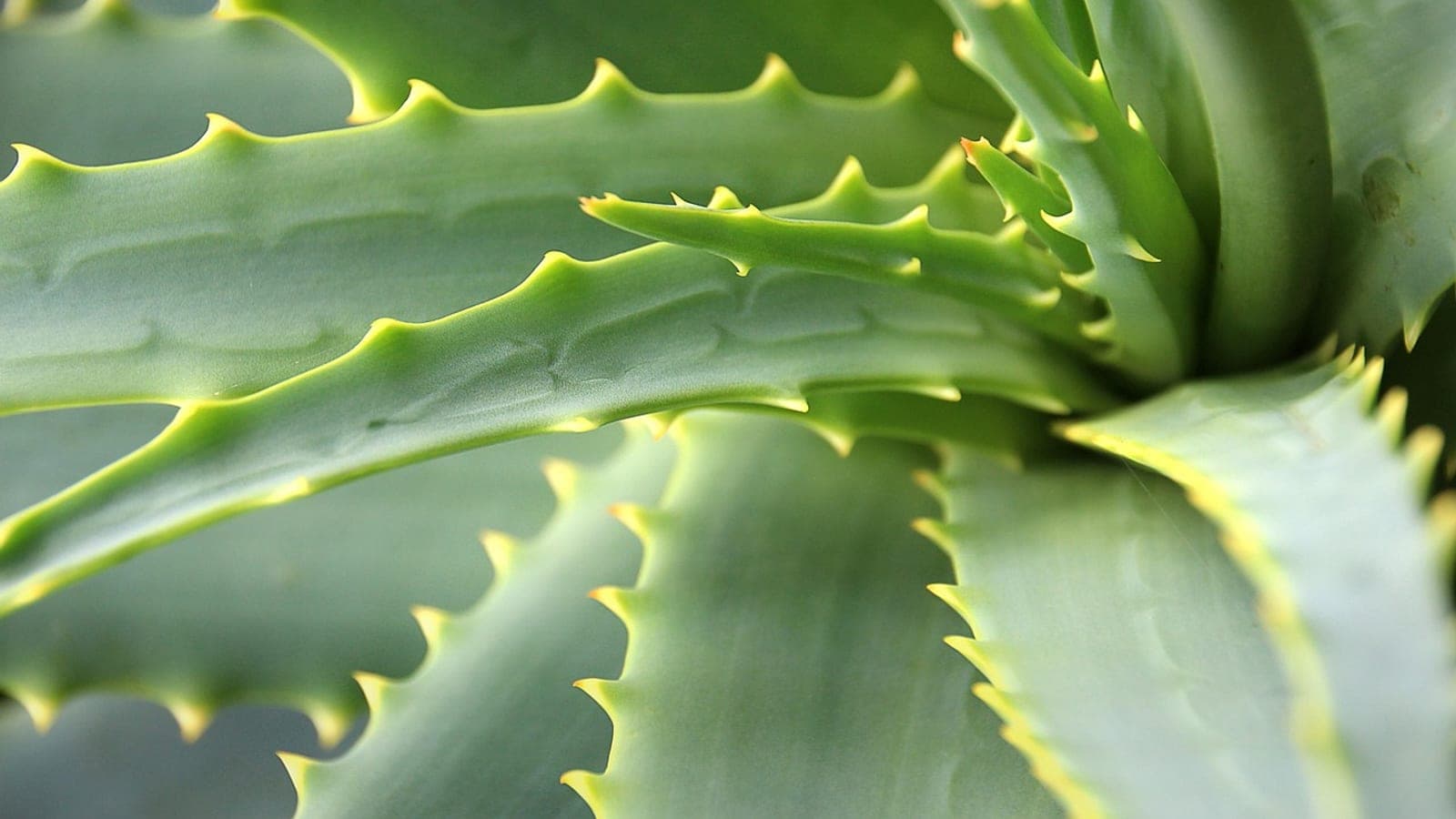
Photo by GregMontani on Pixabay
Brown aloe leaves come from too much water, too little, or sudden sun. Here is how to tell which in a minute, and what to do for each.
The short answer
- Soft, mushy brown from the base up is overwatering and root rot. This is the serious one, so check it first.
- Dry, crispy brown, often with curled or thin leaves, is thirst or scorch. Water properly, or shade it from hot direct sun.
- Brown patches on the side facing the glass, after a plant has moved to a sunnier spot, are sunburn.
- Press the leaf and look at the compost before you do anything. Wet and soft means stop watering. Dry and thin means water well.
- Brown leaves do not turn green again. Judge the fix by the new growth in the centre.
Press the leaf first
An aloe stores water in its leaves, which is why they are thick and plump. Almost every brown aloe is a story about that water: too much of it for the roots to cope with, too little to keep the leaves full, or too much heat and light hitting the leaf at once. The texture of the brown tells you which.
Soft, squashy, translucent or dark and wet-looking brown is the rot story. Dry, papery, crisp brown is the thirst or scorch story. You can tell in a few seconds with a thumb and a finger, and it matters, because the fixes pull in opposite directions.
Squeeze a brown leaf gently
Mushy or squishy means rot or excess water. Papery, dry or hollow means thirst or sun scorch. A plump, firm leaf with a brown tip is usually something minor.
Check where the brown starts
Brown rising from the base of the plant points at the roots. Brown at the tips only points at dryness, salts or a cramped pot. Brown on one side only points at sun.
Feel the compost deep down
Push a finger well below the surface. Damp or cold days after watering means the roots are sitting wet. Dry all the way through and shrunk from the edge of the pot means thirst.
Lift the pot and look at the drainage
Does the pot have holes? Is there water in the saucer or cover pot? A pot with no drainage holes is a classic reason aloes rot.
Think about the last two weeks
A move to a sunnier window, a heatwave, a cold draught or a recent repot can each explain a sudden change. A slow decline over months points at watering.
Soft and brown: too much water
If the leaves are soft, brown or yellowing, and the compost is damp, this is the one to deal with straight away. The RHS advises to "water moderately when in growth, very sparingly when dormant in winter". Overwatering is easy to do, and in the cold months (December to February in the northern hemisphere, June to August in the southern) an aloe wants very little.
Wet compost drives the air out of the pot. The roots suffocate and rot, and the rot climbs into the base of the leaves. Because the plant is full of water already, a rotting aloe goes from fine to collapsing quickly.
Do this:
- Stop watering and tip the plant out of its pot.
- Look at the roots. Healthy ones are firm and pale. Rotten ones are brown or black, soft and sometimes smelly.
- Cut away every soft root and any leaf that is mushy at the base, using clean scissors or a knife.
- Leave the plant out of the pot for a day or so, in a bright spot out of direct sun, so the cut surfaces dry.
- Repot into fresh, gritty, free-draining compost (potting mix) made for cacti and succulents, in a pot with drainage holes. Choose a pot only a little bigger than the roots, because a big pot of compost stays wet for weeks.
- Do not water for a while. A plant with fewer roots needs much less than before.
If the stem itself has gone soft and brown, the rot has reached too far to save the whole plant. Cut above the rot to firm green tissue, and a healthy offset or the top may root once the cut has dried. Our guide to saving a dying houseplant sets out what recovery looks like over the following weeks.
Dry and brown: thirst
Aloes cope with drought better than most houseplants, but they are not immune. A plant left dry for too long uses up the water in its leaves. They go thin, curl inwards, wrinkle and turn brown from the tips. The compost is dry throughout and may have pulled away from the pot, so a quick splash runs straight down the gap and out of the bottom.
The cure is a proper soak. Stand the pot in a sink with some tepid water for a while, or water slowly from the top until a good amount runs out of the drainage holes. Let it drain fully. Within a few days the leaves plump up. The browned tips will not recover, but you can trim them with clean scissors to a neat point if the look bothers you.
After that, the rule is to water thoroughly and then wait until the compost has dried out well before the next time. A little and often is the worst of both worlds, because the roots never get a proper drink and the top stays damp. Our guide to how often to water houseplants explains the pot-weight and finger checks that work on every plant.
Brown, red or orange on the side facing the window: sun
Aloes love light, but a plant that has spent months in a dim room and is suddenly moved to a hot, south-facing (in the northern hemisphere) or north-facing (in the southern hemisphere) window can scorch. The leaf surface closest to the glass bleaches, then browns in a dry patch. Glass holds the heat against the leaf, so the hottest hours of the day do the damage.
Red, orange or bronze leaves come first. That is the plant's stress colour, and it is a warning rather than damage. If you see it, ease the plant a little back from the glass or put a thin curtain between them for the hottest hours. Move it back toward the sun by degrees over a couple of weeks, not in one go.
The opposite also happens. An aloe in a dark corner goes pale and leggy, with narrow leaves leaning toward the window. That is not brown yet, but it is why the plant is weak enough to rot when watered. A bright spot is where it wants to live. If a plant has spent the summer outdoors, our UK autumn checklist covers moving it back indoors and acclimatising it to lower light.
Cold and draughts
Aloes come from warm places and dislike cold. A plant that sat against a chilly window on a frosty night, or on a step outdoors, can develop brown, water-soaked patches that turn black and mushy within a day or two. That is cold damage, and it looks much like rot. The difference is that it appears after a cold night, on the leaves that were exposed, and the compost may be dry.
Bring the plant to a stable, warm spot, keep it dry, and cut off the damaged leaves once they have clearly gone. For plants that live outside in summer, bring them in before nights turn cold, not after. If a plant has been caught by frost, what to do the morning after applies to aloes too.
When the browning is not what you expect
Most browning is one of the causes above, but a few other things are worth ruling out:
Pests. The RHS also notes that aloe may be susceptible to scale insects and mealybugs. Scale looks like small brown bumps that scrape off, and mealybugs look like white fluff in the leaf joints. Both leave sticky honeydew. Wipe them off and keep the plant isolated until it is clear.
Fertiliser or salts. A white crust on the compost or on the pot rim, with brown tips, means salts have built up. Flush the pot with plenty of water, let it drain, and feed far less than you think you need.
A pot too small. Roots circling the base or pushing out of the holes leave little compost to hold water, so the plant swings between wet and parched. Repot into a pot one size up in the growing season.
Old leaves. The lowest, oldest leaves of an aloe naturally shrivel and brown as the plant makes new growth in the centre. If it is only the outer bottom leaf and the rest is plump and firm, nothing is wrong.
Let Plant Doctor take a look
Two of those causes look almost identical from across the room, and the pot tells you more than the leaf does. When you cannot decide, photograph the plant and let Folly look at it.
Plant Doctor matches your photo against 500+ diseases and pests. On every plan, free included, it gives you the likely cause, what it looks like, what causes it, how to prevent it and what to do first. If it finds a problem it can treat, a recovery plan on Pro builds a day-by-day schedule for that plant, with check-ins and reminders, and pauses the normal watering reminders while it runs.
To stop it happening again, Smart Care schedules set each plant's watering interval from more than fifteen attributes, including pot, light, season and your local weather. Tap any plant and you can see every factor with the percentage it added or removed. Most apps ask you to trust the number. Folly shows its working, which is exactly what an aloe needs, because it asks for much less water than most plants and the right gap changes with the season.
If your aloe is not the only plant showing brown, our guides to brown leaf tips and yellowing leaves cover the general causes.
Questions people ask
Why is my aloe vera turning brown and soft?
Soft and brown almost always means the roots are sitting in too much water. The leaves are full of water already, so wet compost turns them mushy from the base up. Check the roots. Firm and pale is healthy. Brown, soft and smelly means rot, and the plant needs fresh gritty compost and a pot that drains.
Why is my aloe vera turning yellow?
Yellow leaves that feel soft point to overwatering. Pale yellow-green leaves on a plant in a dim room usually mean too little light, and the plant is stretching and fading. Check the compost first, because wet compost is the more common cause and the more serious one.
Why is my aloe vera turning red or orange?
Red, orange or bronze leaves are usually a stress colour. The commonest trigger is a sudden move into strong sun, and a cold spell or a dry, cramped root ball can do it too. It is not harmful by itself. Ease the plant back from the brightest spot and the green returns with new growth.
How do I tell if my aloe is underwatered?
An underwatered aloe has thin, curled or wrinkled leaves that feel flexible rather than plump, and the compost is dry right through and may have shrunk from the pot edge. Water thoroughly, let it drain, and the leaves plump up over a few days. Soft mush is the opposite problem.
Can brown aloe leaves turn green again?
No. Once a leaf has browned, the damaged part does not recover. Dry brown tips can be trimmed with clean scissors, and a mushy leaf should be cut off at the base. What matters is that new leaves from the centre come through green and firm, which tells you the cause is fixed.