Why Are My Snake Plant Leaves Falling Over?
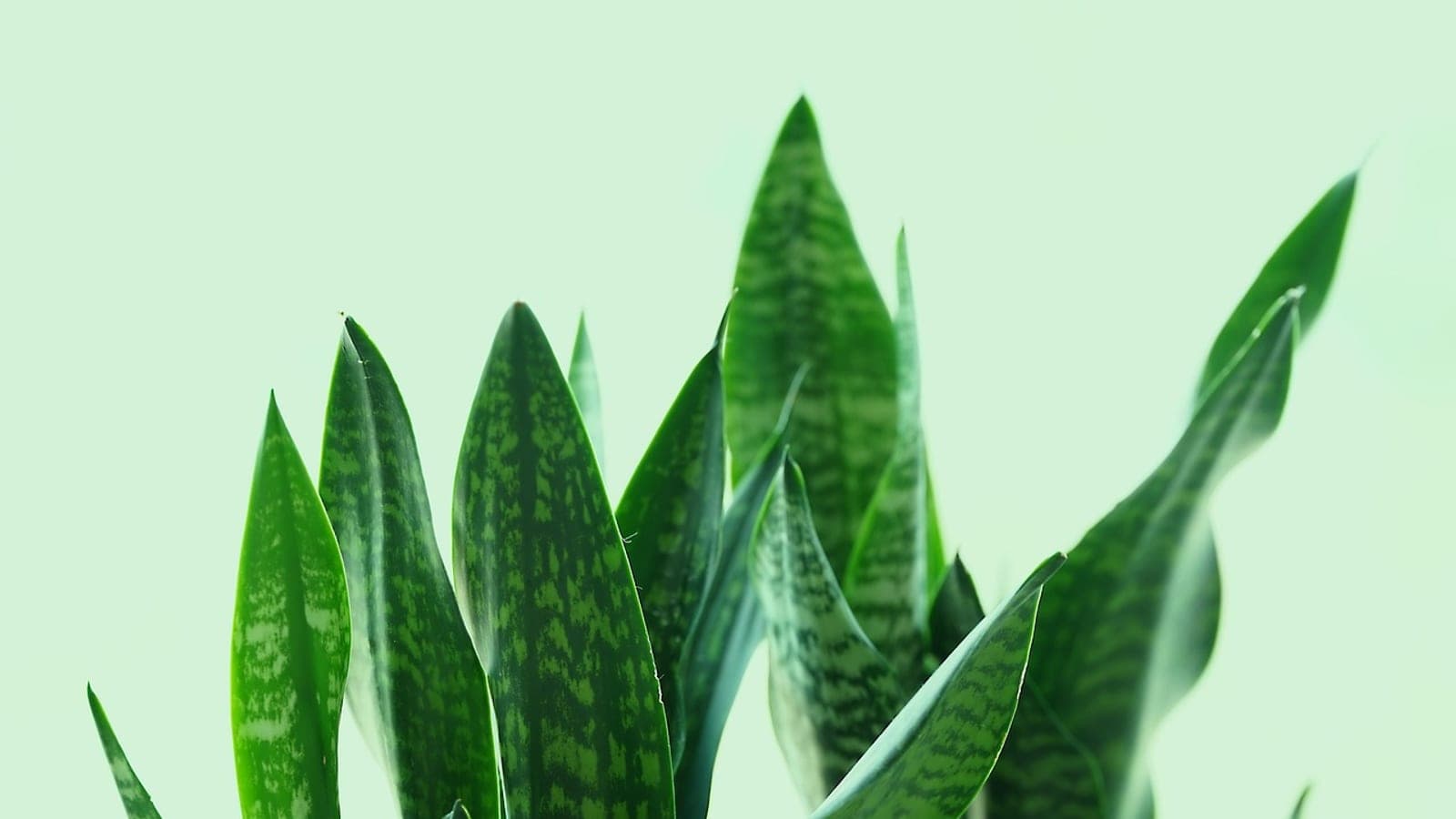
Photo by ignartonosbg on Pixabay
Snake plant leaves flopping or bending is usually overwatering, low light or a pot too light for the plant. How to tell which, and what to do for each.
The short answer
- Falling leaves on a snake plant are usually overwatering, so check the compost before you do anything else.
- If the whole plant is leaning or the leaves fall together, suspect root rot. If only a few outer leaves flop, think light or a pot that is too light.
- Firm leaves in dry compost are a support problem. Soft leaves in wet compost are a roots problem.
- Do not water a floppy snake plant until the compost has dried out.
Work out which problem you have
Snake plants (also sold as mother-in-law's tongue) stand up on their own. When they stop, one of three things has usually happened. The roots are rotting, the plant is too tall and heavy for its pot, or it has stretched in a dim spot. The quickest way to tell them apart is to check the pot, not the leaves.
Push a finger deep into the compost
Go well past the surface. Damp and cool deep down, days after the last watering, points to the roots. Dry all the way through points to light or weight.
Wobble the whole plant
A rosette of leaves that is firmly anchored in its pot is unlikely to have rotten roots. A plant that rocks loosely, or that leans as one, needs its roots checked.
Squeeze the base of a fallen leaf
Firm is good. Soft, mushy or translucent at the base, sometimes with a sour smell, means rot has reached the leaf.
Check how many leaves are affected
One or two tall outer leaves flopping is a different story from the entire clump sagging. Several leaves at once usually means the problem is underground.
Look at where the plant lives
A plant well back from a window, or in a corner, may simply have stretched towards what light there is and grown too weak to hold itself up.
The usual cause: overwatering
The RHS says that "overwatering and/or leaving them standing in water is usually the main issue, potentially leading to root rot". Penn State Extension agrees: root rot is a common affliction of snake plants, and it comes from overwatering.
The reason is how the plant is built. Thick leaves and fleshy underground stems store water, so a snake plant can go a long time dry. It cannot cope with compost that stays wet, because the roots need air. Once they start to rot they stop drawing water up, and the leaves lose their stiffness and fall.
That is why watering a drooping snake plant makes it worse. Leaves that fall because the roots are failing look like leaves that fall from thirst, so people water again. Our guide to how often to water houseplants covers the pot checks that tell you which one you are looking at. The same soggy compost is where fungus gnats breed, so tiny flies around the pot back up the diagnosis.
How to check the roots and fix rot
Tip the plant out of its pot. Healthy snake plant roots are firm and pale. Rotten ones are brown or black, soft, and often smell sour. The rhizomes, the thick stems that run under the compost, should be firm. If they are mushy, the rot is well advanced.
- Cut away every soft root and any mushy rhizome with clean scissors or a clean knife.
- Remove any leaves that are soft at the base. They will not recover.
- Shake off as much of the old, wet compost as you can.
- Repot into fresh, free-draining compost (potting mix) in a pot with drainage holes. The RHS recommends a pot with plenty of drainage holes, only slightly larger than the old one.
- Wait before watering. A plant with fewer roots needs very little, and the compost should be dry before it gets any.
If you cannot find firm rhizome anywhere, take healthy leaf cuttings from the top of any firm leaves and root them in fresh compost. Our step-by-step guide to saving a dying houseplant sets out what recovery looks like over the following weeks and when to change course.
Where a plant has been through a repot recently and the leaves fell after it, our piece on drooping after repotting explains why a few days of sulking is normal.
If the roots are fine: weight and support
Not every falling leaf means rot. Penn State notes that taller varieties do best in a heavy pot, because the weight of the leaves can topple the plant over. A tall snake plant in a light plastic pot is top-heavy, and once the compost dries out there is nothing to hold it.
If the roots are firm and the compost is dry, this is the cause. Move the plant into a heavier pot, such as terracotta or ceramic, that is only slightly larger than the old one. Going much bigger brings the overwatering problem back, because a large volume of compost stays wet for weeks.
Leaves can also flop for no reason beyond their own length. The RHS says the leaves may sometimes flop, in which case you can support them with a wire hoop or bamboo canes and string. Tie loosely, and check the ties as the leaves grow so they do not cut in.
If it is stretching: light
Snake plants tolerate shade, but tolerating it is not the same as thriving. In a dim spot the leaves grow long and thin, and the tallest ones lean away from the crowd. Move the plant closer to a window, to the side of the room that gets the most light. In the northern hemisphere that is a south-facing window. In the southern hemisphere it is a north-facing one.
Move it gradually if it has been in the dark for months, and keep it out of hard direct midday sun, which can burn the leaves. New growth in better light comes up shorter, thicker and straighter. The old stretched leaves will not shorten, so support them or cut them out once the plant has new growth to replace them.
Cold and the winter slump
Snake plants prefer typical room temperatures, and the RHS gives an ideal range of 15°C to 24°C (60°F to 75°F). A plant on a cold windowsill overnight, or against a draughty door, can slump in the cold months. Move it back into the room and keep it away from glass on cold nights. Radiators cause the opposite trouble, so read can plants go near a radiator before you pick a spot.
In winter, growth slows and the plant draws on water stored in its leaves, so it needs far less watering than in summer. Push a finger into the compost to check rather than watering on a routine, as the RHS puts it. A fixed weekly schedule is exactly what sinks a snake plant in winter.
Which houseplants fall over, and which stay up
Top-heavy or likely to flop
- Tall snake plant varieties
- Long, heavy leaves in a light pot tip over once the compost dries, and flop when overwatered.
- Peace lily
- Folds its whole canopy over the side of the pot when thirsty, then recovers within hours.
- ZZ plant
- Stores water in thick rhizomes, so it also rots from overwatering. The stems arch and fall when the roots fail.
Hold themselves up
- Compact snake plant varieties
- Short, squat rosettes sit low and rarely topple, though they rot just as readily if overwatered.
- Cacti and succulents
- Built to hold water in firm tissue. Softness is a late signal that something is wrong underground.
- Plants in heavy, drained pots
- Weight at the base and fast drainage prevent most of the causes on this page.
Get a second opinion from your phone
The difficulty with a falling snake plant is that rot, weight, light and cold all look alike from across the room, and the decisive evidence is under the compost. Folly is built for exactly that gap.
Take a photo of the leaves and Plant Doctor matches what it sees against 500+ diseases and pests. On every plan, free included, you get the likely cause, what it looks like, what causes it, how to prevent it and what to do first. When a health scan finds a problem Folly can treat, Pro adds a recovery plan: "Fix my plant" asks a few quick questions, such as what it grows in and how the soil feels, then builds a day-by-day plan with check-ins on set days, and pauses the plant's normal watering reminders while it runs.
To stop the overwatering that causes most of this, Pro's Smart Care schedules set each plant's watering interval from 15+ attributes. Tap the plant and you see every factor behind the interval, with the percentage it added or removed. Most apps ask you to trust the number. Folly shows its working. A peace lily droops in a similar way, and why a peace lily droops tells thirst and rot apart. For related symptoms, see our guides to yellow leaves and brown leaf tips.
Questions people ask
Why are my snake plant leaves drooping?
Most often the roots are sitting in wet compost. Push a finger into the pot. If it is damp well below the surface days after watering, stop watering and check the roots. Leaves that droop at the same time as the base feels soft are a worse sign than leaves that lean.
Can an overwatered snake plant be saved?
Often, if you catch it before the rot reaches the base of the leaves. Slide the plant out, cut away every soft brown or black root, repot into fresh, free-draining compost in a pot with drainage holes, and water very sparingly afterwards. Healthy leaves left standing can be kept.
Why are my snake plant leaves bending or curling?
Leaves that bend outwards usually mean the plant has stretched for light, or has grown tall and heavy for its pot. Leaves that curl inwards and look wrinkled are usually thirsty after a long dry spell. Check the compost before deciding which, because the fixes are opposite.
Should I cut off snake plant leaves that have fallen over?
Only if they are soft, mushy or yellow at the base. A firm green leaf that has flopped can be propped up and left. If you cut one, cut it right down at compost level with a clean knife so no stump is left to rot.
Will a fallen snake plant leaf stand back up?
A leaf that has creased or bent over will not straighten. New growth will come up upright once the cause is fixed. Prop the old leaf for support while the plant recovers, or remove it if it keeps falling.