Sticky Leaves on Indoor Plants: Find the Pest
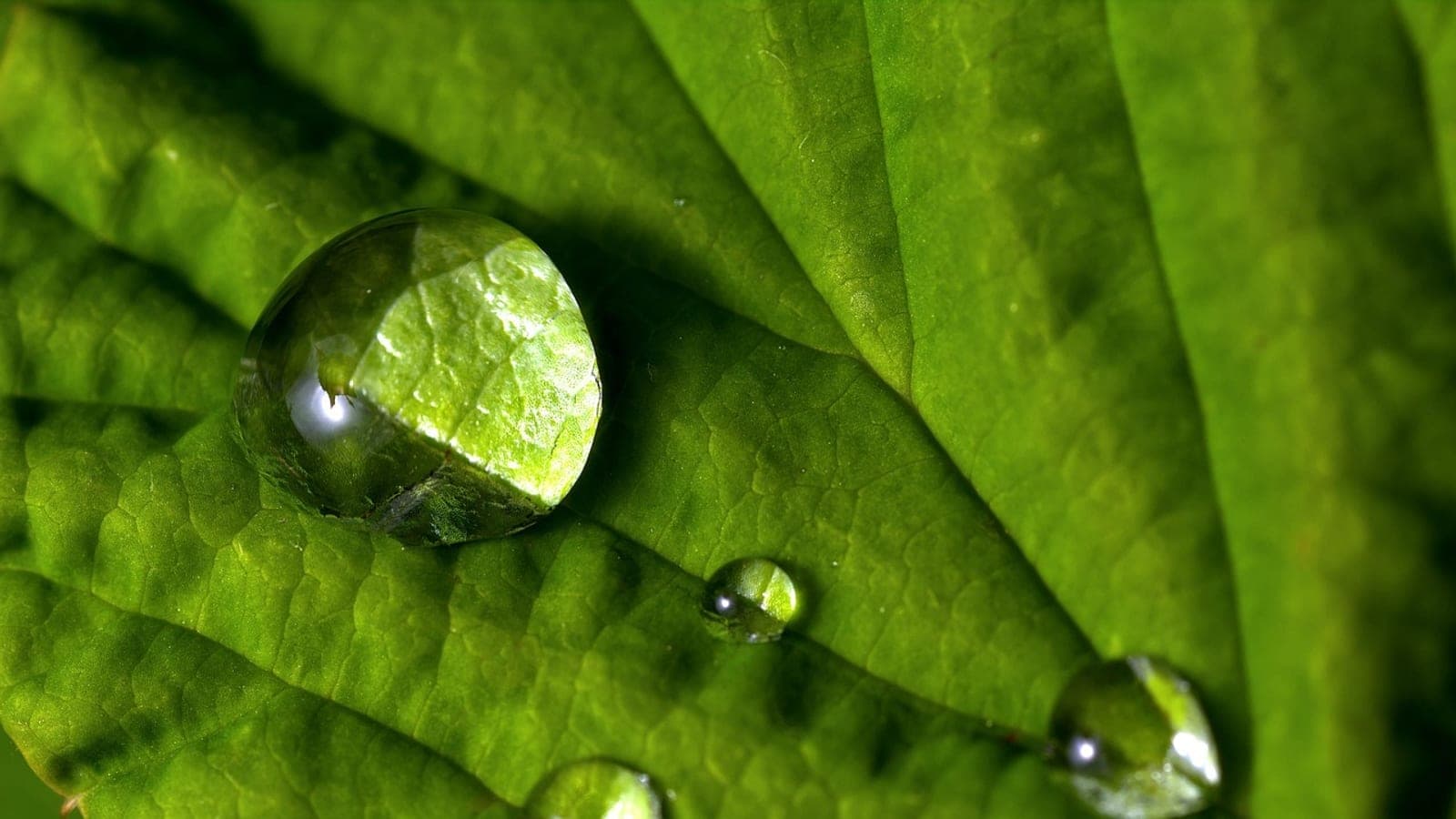
Photo by dep377 on Pixabay
Sticky leaves on a houseplant are almost always honeydew from aphids, scale, mealybugs or whitefly. How to tell which, clean it off and stop it returning.
The short answer
- Sticky leaves on a houseplant are usually honeydew, the sugary waste of aphids, mealybugs, soft scale or whitefly.
- Find the pest before you clean anything. Honeydew drips down, so look above the sticky patch: stems, leaf joints and undersides.
- Small hard bumps mean scale. White cottony tufts mean mealybugs. Soft green or black clusters mean aphids. Tiny white flies that lift off when you touch the plant mean whitefly.
- Wipe, remove by hand, rinse, isolate, and repeat the checks for several weeks.
- If the film is gone after one wipe and stays gone, it was residue, not a pest.
Why leaves go sticky
Plants do not produce a sticky film of their own accord, so when a leaf feels tacky you are almost always feeling insect waste. Sap-feeding insects take in far more sugar than they need and excrete the surplus. The Clemson extension service says that as aphids feed, "they excrete a sugary material, called honeydew, which makes leaves shiny and sticky." Mealybugs and whiteflies do the same, and so do soft scales.
That gives you a useful rule. Honeydew falls, so the pest is usually higher than the stickiest leaf, and the surface under the plant (a windowsill, a shelf, a floor) is often sticky too. If you can feel it on the sill, you are looking for something living on the plant above it.
Spider mites do not make honeydew, and neither do fungus gnats. If your plant has webbing or fine stippling but no stickiness, see how to get rid of spider mites. If the problem is tiny flies around the pot, that is fungus gnats, which live in the compost (potting mix), not on the leaves.
Work out which pest it is
Take the plant to a bright window or under a lamp, and use a magnifying glass or your phone camera zoomed in. Check these places in this order.
Follow the stickiness upwards
Find the stickiest leaf, then look at the stem and the leaves above it. The pest is almost never on the sticky patch itself.
Check the stems and leaf veins for bumps
Small, flat or domed brown or tan bumps that do not move are scale insects. Scrape one with a fingernail. A scale pops off as a tiny shell.
Look in the leaf joints for white fluff
Cottony white tufts tucked where a leaf meets the stem, or at the base of the plant, are mealybugs. They look like specks of cotton wool.
Turn the leaves over for soft clusters
Pear-shaped soft insects in green, black or brown, crowded on new growth and flower buds, are aphids. Pale cast skins stuck to the leaves are another giveaway.
Tap the plant over a sheet of white paper
Tiny white insects that flutter up and settle again are whitefly. Aphids and mites will drop on to the paper instead.
Look for ants
Ants walking up a houseplant are feeding on honeydew. Follow them and they will often lead you to the pest.
Most of these pests are small, so do not worry if you cannot name the exact one. What matters is that something is feeding, and the first response is the same for all of them.
A sooty black film means it has been there a while
If the sticky leaves also have a dark, dusty coating, that is sooty mould (mold). The Clemson extension service notes that sooty mold fungi may grow on honeydew, producing "unsightly dark splotches" on the plant. It is growing on the honeydew, not on the plant itself, and it wipes off.
It is still worth taking seriously. It tells you the honeydew has been building for weeks, and it blocks light from the leaf. Treat the pest and the mould clears with it.
The UC Integrated Pest Management programme says that "honeydew attracts ants, induces growth of blackish sooty mold, and fouls plants and surfaces beneath them." So a sticky plant is also a messy one, and the sill underneath needs cleaning as well.
Clean it off and remove the pest
Start with the physical fixes. They work on every one of these pests and need nothing from a shop.
Isolate the plant first. Move it away from your other plants, because every one of these pests spreads by crawling or flying between neighbours. Keep it apart until it has stayed clean for several weeks.
Wipe the leaves and stems. Use a damp cloth or soft sponge and tepid water, top and underside. This lifts the honeydew, any sooty mould and a good number of the insects themselves.
Remove what you can by hand. For light infestations of mealybugs, Clemson says they can be controlled "by removing individual mealybugs by hand or by wiping each insect with a cotton swab dipped in rubbing alcohol." The same swab works on soft scale and on small clusters of aphids. Test the alcohol on one leaf first, because thin-leaved plants can scorch.
Rinse the whole plant. In the shower or a sink, with tepid water and a gentle flow. Support the compost so it does not wash out. This knocks off aphids and whitefly and rinses away the last of the honeydew.
Prune what you cannot clean. Heavily infested new growth or a badly affected leaf is often quicker to remove than to treat. Bin it, rather than composting it.
Keep checking for several weeks
Wiping the leaves will not end it. Eggs and young crawlers survive the first clean, so every infestation needs repeat rounds. Look over the plant every few days, and repeat the wipe and rinse each time you see anything. Scale insects in particular can take many weeks to clear, which is why our guide to scale insects on houseplants covers the full routine.
Honeydew is the best monitoring tool you have. Run a finger over a clean leaf every time you water. If a leaf that was clean turns tacky again, something has come back.
If the plant is losing leaves, or the new growth is distorted and weak, treat it as more serious. Our guide to saving a dying houseplant covers what recovery looks like and when to change course.
Sticky leaves on citrus and other indoor trees
Lemon, orange and calamondin trees kept indoors are a common story. Dense foliage, warm rooms and less airflow than outdoors suit scale, mealybugs and aphids, and the leaves are glossy enough that a film of honeydew shows up straight away. Look along the midrib of each leaf and at the joints on the woody stems, where scale in particular settles.
Treat them the same way. Wipe, remove by hand, rinse, and keep the tree apart from your other plants until it stays clean. Glossy-leaved plants are also the easiest to keep ahead of a problem on. Clemson notes that "washing smooth-leaved plants every two to three weeks discourages pest infestations."
When it is not a pest
Occasionally the sticky film has another cause.
- Nectar. Some plants, hoyas especially, drip sticky nectar from their flowers. It is clear, it collects under the flowers rather than across the whole plant, and it is harmless.
- Residue. A leaf shine product, a spray that has dried on, or a dusty film from a nearby kitchen can feel tacky. It usually wipes off once and stays off.
- Something above. Plants on a shelf below another plant, or under an open window near a tree, can catch honeydew from somewhere else.
The test is the same every time. Wipe the leaves clean, and check again after a few days. If the film returns, there is something feeding. If the leaf is silvery and dotted with black specks rather than sticky, read thrips on houseplants.
Let Plant Doctor name it
If you cannot tell scale from mealybug, or the stickiness has no obvious source, photograph the affected leaf and stem in Folly. Plant Doctor diagnoses from a photo against 500+ diseases and pests, free on every plan, and tells you the likely cause, what it looks like, what causes it, how to prevent it and what to do first. That is faster than squinting at a leaf joint under a lamp.
Folly also helps with the care around it. Smart Care schedules are built on 15+ attributes, and you can tap any plant to see every factor behind its watering interval with the percentage it added or removed. Notes with photos, free on every plan, let you keep a dated record of how a plant looked each time you checked it.
Questions people ask
What causes sticky leaves on indoor plants?
Nearly always honeydew, the sugary waste of sap-feeding insects such as aphids, mealybugs, soft scale and whitefly. A few plants also drip nectar from their flowers, and a leaf shine product or a spray left to dry can leave a tacky film. If the stickiness is gone after one wipe and does not come back, it was probably residue. If it returns within days, look for a pest.
How do I treat sticky leaves on plants?
Treat the pest, not the stickiness. Wipe the leaves with a damp cloth, then remove what you can by hand or with a cotton swab dipped in rubbing alcohol. Rinse the whole plant, isolate it, and check every few days. For anything heavier, use an insecticidal soap, checking that it is approved for houseplants where you live and following the label.
Why are the leaves on my citrus plant sticky?
Citrus grown indoors is a favourite of scale insects, mealybugs and aphids, and the tight clusters of leaves give them plenty of cover. Check the stems, the joints where leaves meet the branch and the undersides of the leaves along the midrib. Wipe, treat and keep the plant separate from your others until it stays clean.
Are sticky houseplant leaves dangerous to the plant?
The honeydew itself is harmless, but it is a sign that something is feeding on the plant, and a heavy film can grow a black sooty mould that blocks light from the leaf. Catch it early and the plant usually recovers fully. Left for months, the pest weakens it.
Can I wipe sticky leaves and ignore the cause?
Wiping makes the plant look better and makes the pest easier to spot, but it does not solve anything. Honeydew keeps arriving for as long as the insects keep feeding, so the leaves will be sticky again within days.