White Mould on Plant Soil: Harmless or a Warning?
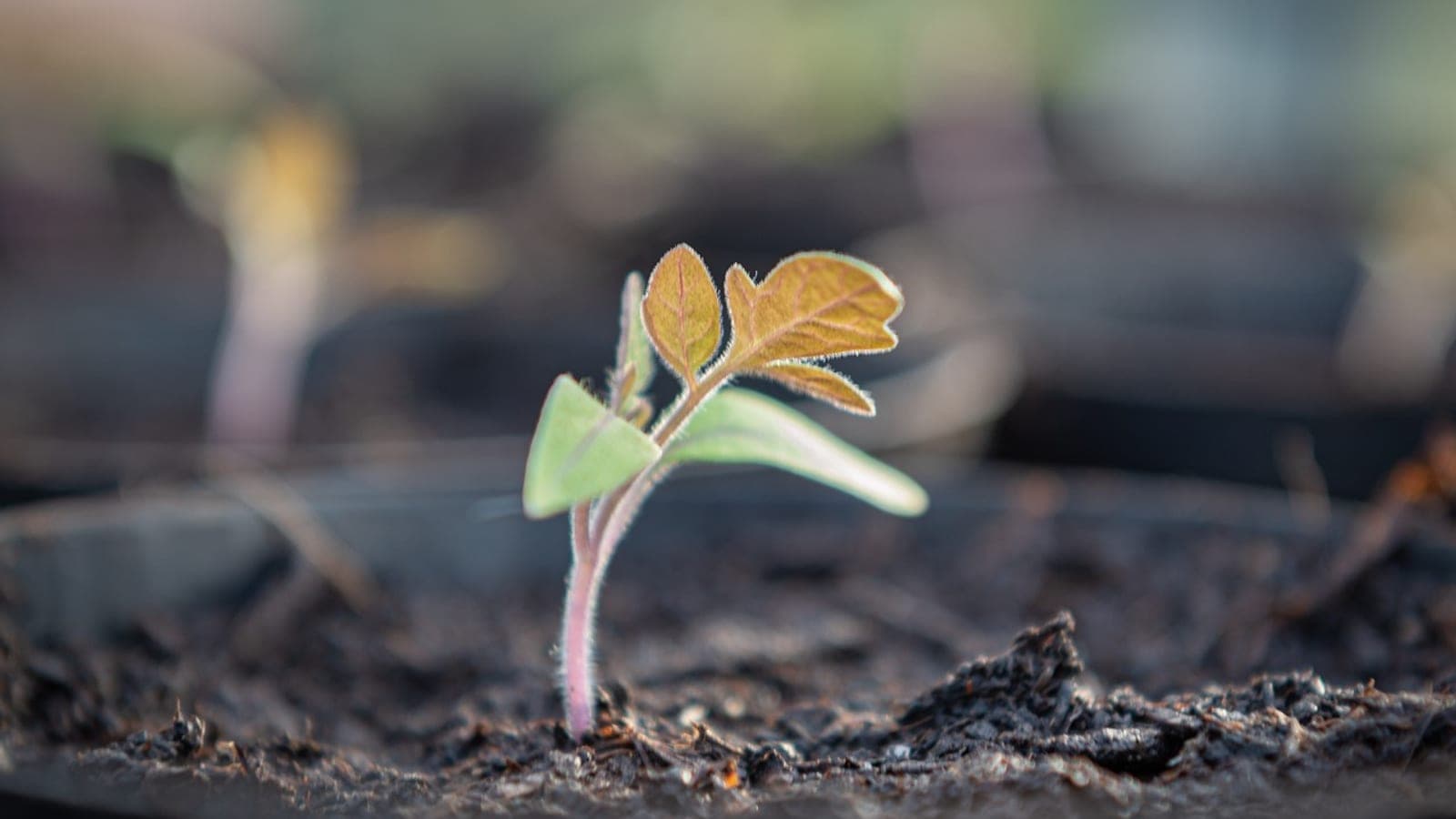
Photo by AndreasGoellner on Pixabay
White fluff on the soil is usually a harmless fungus feeding on the compost, but it tells you the surface stays too wet. How to tell it apart and clear it.
The short answer
- White, fluffy growth on the surface of houseplant compost (potting mix) is usually a harmless fungus that feeds on dead organic matter. The mould (mold) itself rarely hurts the plant.
- It is a warning about the pot, not the plant. The surface is staying wet, the air is still, or both.
- Scrape off the affected layer, let the compost dry out further between waterings and give the pot some airflow.
- Check that it is mould. Crusty white is mineral salts. White fluff on stems or in leaf joints is a pest.
- Gnats around the pot, a sour smell or a drooping plant mean the problem has moved below the surface.
What the white fluff on your soil actually is
Houseplant compost is made of bark, coir, peat or composted plant matter. All of it is food. Fungi that break down dead material arrive as spores on the air, on the bag and on your hands, and they sit dormant until conditions suit them. When the surface of the pot stays damp and the air around it barely moves, they grow into a cobwebby white mat in a matter of days.
These are decomposers. They are living on the compost, not on your plant. That is why the first answer to "is it harmful" is usually no, and why the same patch can appear on a perfectly healthy monstera.
The second answer is the one worth acting on. The mould shows that the top of the pot is being kept wetter than it should be. A pot that is wet on top is often wet underneath too, and that is the real danger. Roots need air, and a waterlogged root ball suffocates and rots, which is the cause behind most plants that go downhill.
Is it mould? Check before you treat it
Several things look like white mould on soil and need different handling. Spend a minute on this, because treating the wrong thing wastes a week.
Touch it with a spoon or a pencil
Mould is soft and fluffy, like cotton wool or cobweb, and breaks up into threads. A hard, chalky or crystalline crust that stays put is mineral salt, not a living thing.
Look at the colour and the shape
Fine white threads or a flat white film is the usual harmless fungus. Yellow, bright orange or slimy patches are other fungi or slime moulds, which are also usually harmless but are a stronger sign of very wet compost. Mushrooms are the fruit of the same kind of fungus.
Look for little white beads
Tiny white or cream pellets that do not crumble are usually perlite, the lightweight grit added to many composts. They rise to the surface as you water and are meant to be there.
Check the plant, not just the soil
White cottony fluff in leaf joints, along stems or under leaves is not mould. It is mealybugs, and it needs a pest treatment rather than a change of watering.
Smell it
Earthy and woody is normal. A sour, stagnant or rotten smell means the roots in that pot are suffocating, and the surface mould is the least of your problems.
If it passes the spoon test and looks like soft white fluff, you have the common compost fungus, and the next section applies.
How to get rid of white mould on soil
Treat the cause, which is moisture and still air. The mould is only the symptom.
1. Scrape off the top layer. Take a spoon and lift away the affected surface, going down until the compost underneath looks normal. Bin it rather than composting it. Top the pot up with fresh, dry houseplant compost.
2. Let the pot dry out more. Cut back the watering. Wait until the top layer of compost feels dry before you water again, and check below the surface with a finger, as our guide to how often to water houseplants explains. Most plants prefer a thorough soak followed by a proper drying interval, not a little water often.
3. Empty the saucer. Water that sits in the saucer or a decorative cover pot keeps the compost wet from below. Tip it away after each watering.
4. Add airflow and light. Still, humid, dim corners are where mould thrives. Move the pot to a brighter spot, away from a closed-in shelf, and open a window for a while on mild days. A gentle draught from an open door is enough. A fan pointed straight at the plant is not.
5. Use the right pot. A pot without drainage holes, or one far too large for the root ball, holds water for weeks. Repot into a pot that drains and is only a little bigger than the roots.
You do not need a fungicide for this. If you ever do reach for a product against a fungal problem, choose one by type, check it is approved for houseplants where you live and follow the label. For the harmless compost fungus, a drier surface does the work.
Why it appears after repotting
Mould after repotting is very common, and it has an ordinary explanation. Fresh compost is rich in organic matter and has not yet been colonised by anything else, so fungi take it over first. A repotted plant is also typically watered heavily to settle the roots, then put somewhere quiet and left alone. The compost stays wet while the plant, which has fewer working roots for a while, drinks very little.
The remedy is the same: scrape, let it dry and give it air. If the plant is also drooping, read why a plant droops after repotting before you water it again, because wet compost and a drooping plant together point at roots that are struggling in damp compost.
When the mould is a sign of something bigger
Surface mould that clears quickly after you change the watering is a nuisance. Mould that keeps coming back, or arrives with other symptoms, means the conditions in the pot are wrong.
- Fungus gnats. Tiny dark flies rising from the pot, and mould on the surface, share a cause: compost that never dries. Our guide to getting rid of fungus gnats deals with the flies and the damp together.
- Yellowing lower leaves or a sour smell. These suggest the roots are rotting. Slide the plant out of its pot and look. Healthy roots are firm and pale. Rotting ones are brown or black, soft and smell bad.
- Drooping that watering does not fix. This is the classic sign of roots that cannot take up water. The steps in how to save a dying houseplant set out what to do next.
Which plants and pots get it most
Most likely to grow white fluff
- Plants in large pots with a small root ball
- Compost that no root is using stays wet for a long time, and that is exactly what the fungus wants.
- Anything in a pot with no drainage holes
- Water collects at the base and the whole pot stays damp. Mould on top is often the first visible sign.
- Plants in dim, still rooms
- Less light means less water use, and still air means the surface never dries.
Rarely bothered
- Cacti and succulents in gritty mix
- Fast-draining compost dries on the surface quickly, so there is little for fungi to grow in.
- Plants watered by thorough soak and drain
- A proper drying interval between waterings keeps the surface dry for most of the week.
- Plants in terracotta
- The clay lets moisture escape through the sides, which dries the compost faster than plastic does.
Photograph it and let Plant Doctor tell you
If a plant looks wrong, photograph it and Plant Doctor diagnoses it from the picture, drawing on 500+ diseases and pests. It is free on every plan. You get the likely cause, what it looks like, what causes it, how to prevent it and what to do first. If it turns out to be a problem Folly can build a recovery plan for, the day-by-day plan is on Pro.
Prevention is about the watering interval. Folly's Smart Care schedules are built on 15+ attributes, including the light in each room and the weather where you live, so a plant in a dim room gets a longer interval than the same plant on a bright sill. Tap any plant and you see every factor behind its watering interval, with the percentage it added or removed. Folly shows its working, so you can tell why a pot stays wet and change it. Chore day grouping, also part of Pro, puts care on days that suit you.
Questions people ask
Is white mould on soil harmful to my plant?
The fluffy white growth on the surface is usually a decomposing fungus feeding on the organic matter in the compost, and it does not attack healthy roots. What matters is what it says about the pot. The surface has stayed wet and still for too long, and the same conditions can suffocate roots. Fix the watering and the mould usually fades by itself.
Why is there white mould on my soil after repotting?
Fresh compost is full of food for fungi, and a newly repotted plant is often watered generously to settle it in, then left in a still, cool spot. That combination is ideal for a white flush on the surface. Let the top layer dry between waterings, move the pot somewhere with a little air movement and it usually passes without any further action.
Can I just scrape the white mould off?
Yes, and it helps. Lift off the affected top layer with a spoon and replace it with fresh, dry houseplant compost. Scraping alone does not last if the watering stays the same, because the spores are everywhere and the damp surface that fed the growth is still there.
Is white mould on indoor plants the same as mildew?
No. Powdery mildew grows on the leaves and stems and does harm the plant. The white fluff on soil is a different organism living on the compost surface. If the white coating is on the foliage rather than the soil, treat it as a leaf disease and photograph it for Plant Doctor.
Why does my soil have a white crust instead of fluff?
A hard, crusty or chalky white layer is usually a mineral deposit left by hard tap water or by fertiliser salts building up as water evaporates. It is not alive. Flush the pot with plenty of water so it drains freely, or replace the top layer, and consider watering with rainwater.