Bottom Watering Plants: When It Helps and When It Does Not
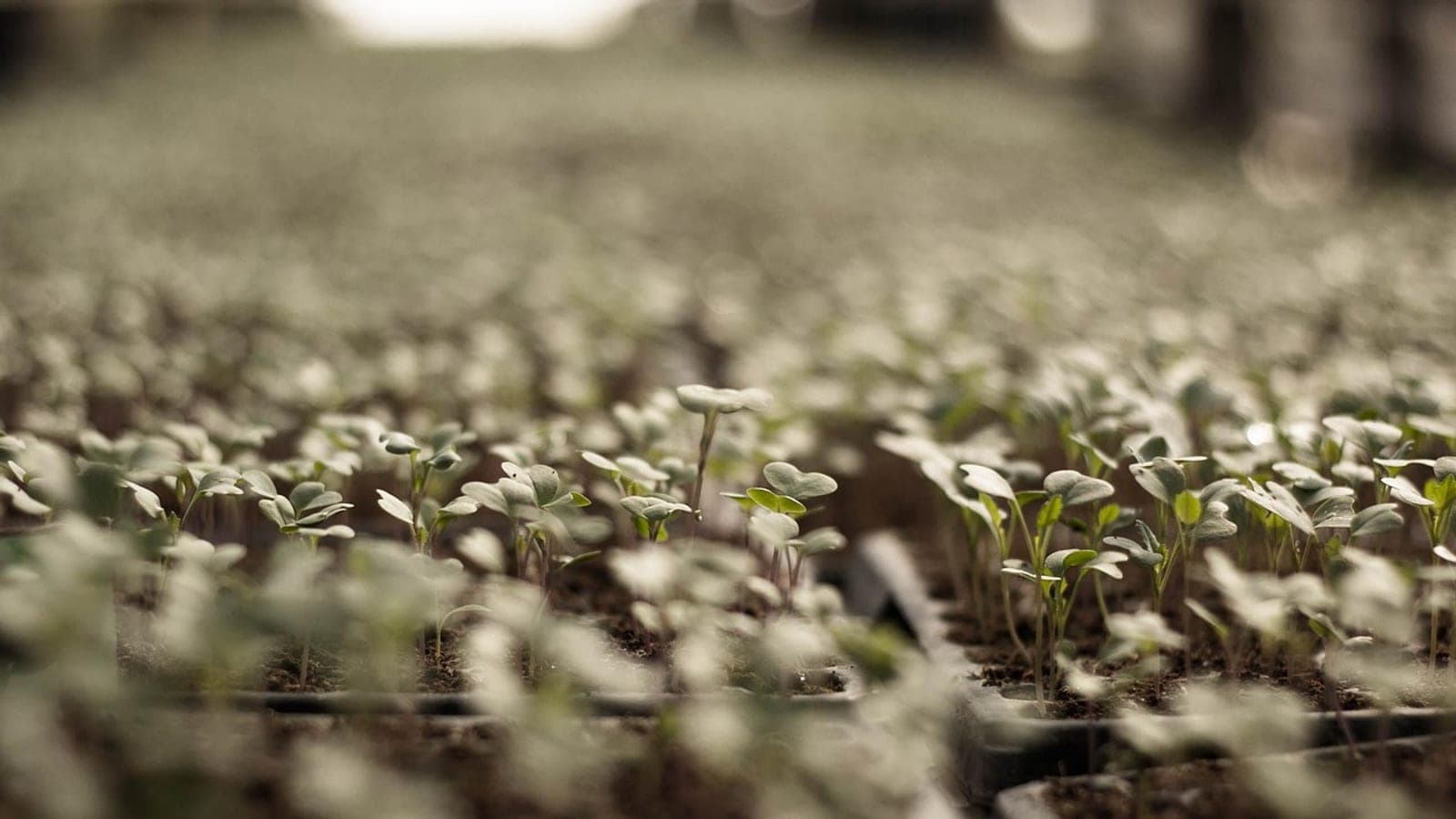
Photo by Tapakon on Pixabay
Bottom watering rewets a dried-out pot and keeps leaves dry. How to do it, which plants like it, and why it is a tool for some pots, not a rule for all.
The short answer
- Bottom watering means standing the pot in water and letting the compost (potting mix) soak it up from below. It works, and for some pots it works better than watering from the top.
- Use it for compost that has dried hard and sheds water, for plants that dislike wet leaves, and for anything where top watering runs down the sides.
- Take the pot out once the surface is damp, and drain it fully. Leaving it standing is where the harm comes from.
- It does not flush salts out of the compost, so water from the top now and then.
- It is a method, not a schedule. Whether a plant needs water is still decided at the pot.
What bottom watering is
You stand the pot in a sink, bowl or saucer of water and let the compost draw it up through the drainage holes. The extension service at the University of Illinois describes it as sub-irrigation, where you water the plant from the bottom and let the soil soak up what it needs. The same page says the easiest way is to place the pot in a few inches (several centimetres) of water in a sink or a saucer.
Nothing about it is exotic. It is how seed trays have always been watered, and it is how a pot of dried-out compost gets rewetted when pouring from above does not work.
The plant is not drinking through its leaves or stem. Water moves up through the compost by capillary action and the roots take it from there. Which is why the compost matters so much, and why the method works well on some pots and badly on others.
When bottom watering helps
The compost has dried hard. This is the best reason to do it. Dry compost shrinks away from the pot wall, and water poured on top runs down that gap and out of the drainage holes without wetting anything. Clemson Extension says that if soil does become very dry and hard to rewet, you should soak it instead of pouring on top. A bottom soak swells the compost back against the sides and fixes the gap.
The leaves hate being wet. African violets, cyclamen and anything with fuzzy or hairy leaves can mark or rot if water sits on them or in the crown. Bottom watering keeps it all dry.
You are watering seedlings or cuttings. A stream from a watering can flattens them and washes out the compost. A tray from below does not.
The plant sits somewhere awkward. A plant on a high shelf or wedged behind others is easier to lift down and soak than to water in place.
You want it even. Top watering can leave a dry pocket in a dense root ball. A soak wets the whole thing.
When it does not help
You are trying to fix overwatering. Bottom watering adds water. A pot that is still wet days after the last watering needs less water, not a new method. Read how often to water houseplants first, because the interval matters more than the technique.
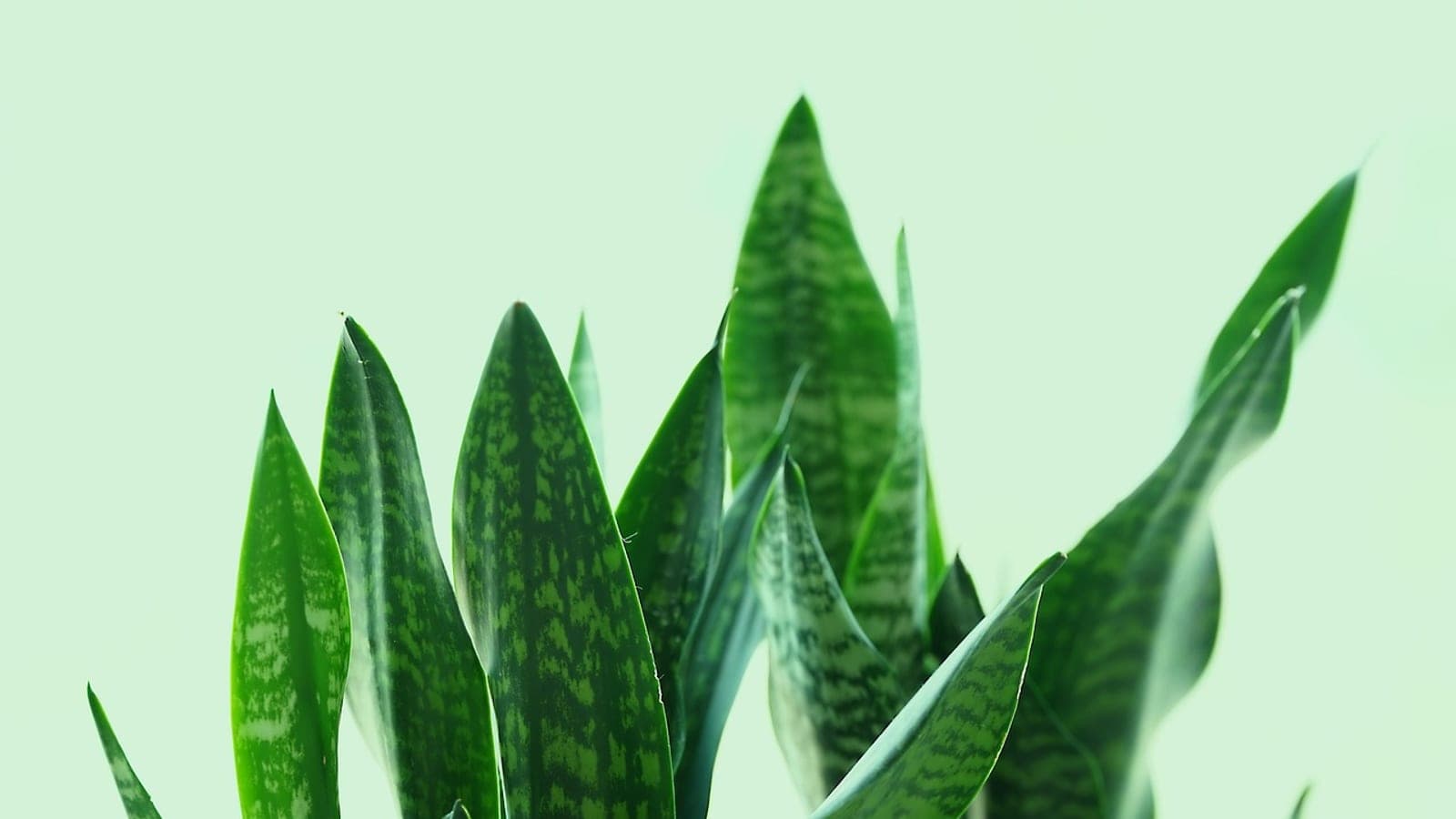
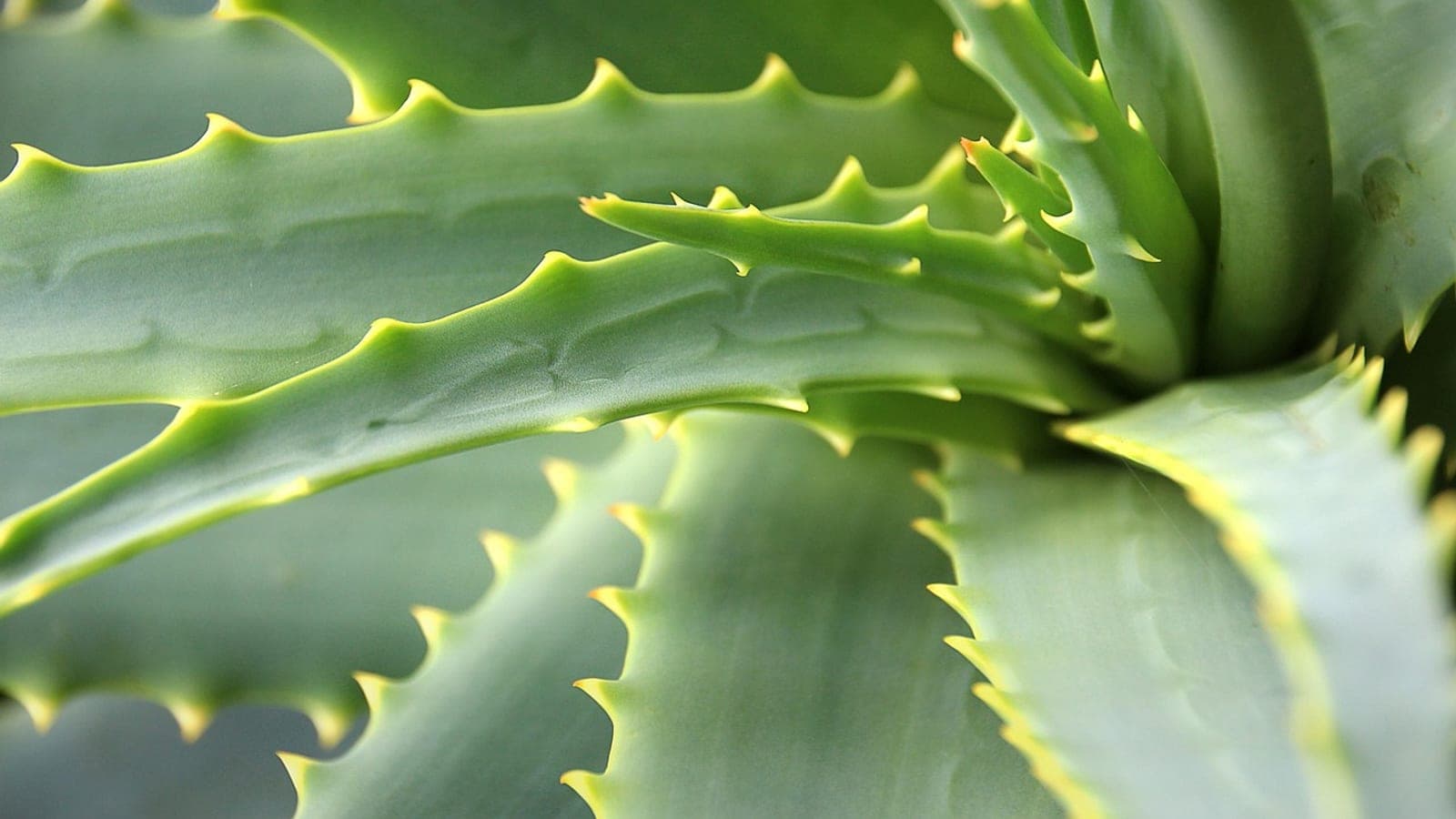
The plant wants to dry out. Cacti, succulents, snake plants and ZZ plants want the compost dry most of the way down. A long soak followed by a damp pot is the route to rot. They can be bottom watered, but only with a short soak and a long wait afterwards.
The pot has no drainage holes. Water cannot rise through a hole that does not exist, and a pot with no drainage cannot be drained afterwards. Move the plant into a pot with holes first.
You want to flush the pot. Top watering is the one that pushes mineral salts out. Clemson Extension notes that watering thoroughly from above and letting it drain washes out the excess salts. Bottom watering carries water up through the compost and the salts stay behind, and they gather at the surface. White crust on the compost or brown leaf tips, which our guide to brown tips on houseplant leaves covers, are the signs. Water from the top every so often and let it run freely out of the bottom.
How to bottom water, step by step
Check the pot has drainage holes
Without holes the water cannot rise and, worse, cannot leave again. If the plant sits in a decorative cover pot, lift the inner pot out first.
Fill a sink, bowl or saucer with tepid water
A few centimetres (an inch or two) deep is plenty. Cold tap water straight from a cold pipe can shock tropical roots, so let it come up towards room temperature.
Stand the pot in it
The compost starts drawing water up straight away. A small pot of loose compost is quick. A big pot of dense compost takes longer.
Wait for the surface to go damp
Press the compost with a fingertip. When the surface is moist, the pot has had enough. Do not time it by the clock and walk away.
Lift it out and drain it completely
Stand it on a rack or in a clean sink until it stops dripping. Only then return it to its saucer or cover pot.
For timing, the University of Wisconsin extension service suggests pouring water into the saucer and letting the plant stand 20 to 30 minutes. Use that as an upper guide and go by the surface of the compost. A dried-out pot may want the full time and a damp one will not.
Which plants suit it
Good candidates for a bottom soak
- African violets
- Water on the leaves and crown can mark and rot them. A bottom soak keeps them dry.
- Peace lilies and ferns
- Like evenly damp compost and wilt fast when it dries out. A soak rewets a hard pot. See why a peace lily droops.
- Monstera and other leafy aroids
- Take it well, particularly when the compost has shrunk from the sides and top watering runs straight through.
- Seedlings and cuttings
- Too delicate for a stream from a can. A shallow tray from below is gentler.
Better from the top, or with a short soak
- Cacti and succulents
- Want the compost dry most of the way down. A soak is fine if short and followed by a long dry spell.
- Snake plants and ZZ plants
- Store water in leaves and rhizomes. Easy to overdo with any method, so check the pot first.
- Plants in a pot with no drainage hole
- Water cannot rise or leave. Repot into a pot with holes before trying this.
Bottom watering and the gnats
Compost that stays damp on the surface is where fungus gnats lay their eggs, and a pot that is watered from below keeps its top layer drier. For that reason bottom watering is a useful habit if gnats keep coming back. It only works if the pot is drained afterwards. A pot left in a full saucer is a permanent bog and will breed them just as well, and may turn the surface to white mould too.
The method does not decide the interval
The thing people get wrong about bottom watering is treating it as a way of avoiding the question of when. It is not. It changes how the water gets in. Whether a plant needs it today is still decided by the light, the pot, the season and the weather, which is why a plant in a small terracotta pot on a bright sill needs a very different rhythm from the same plant in a big plastic pot in a shaded hall.
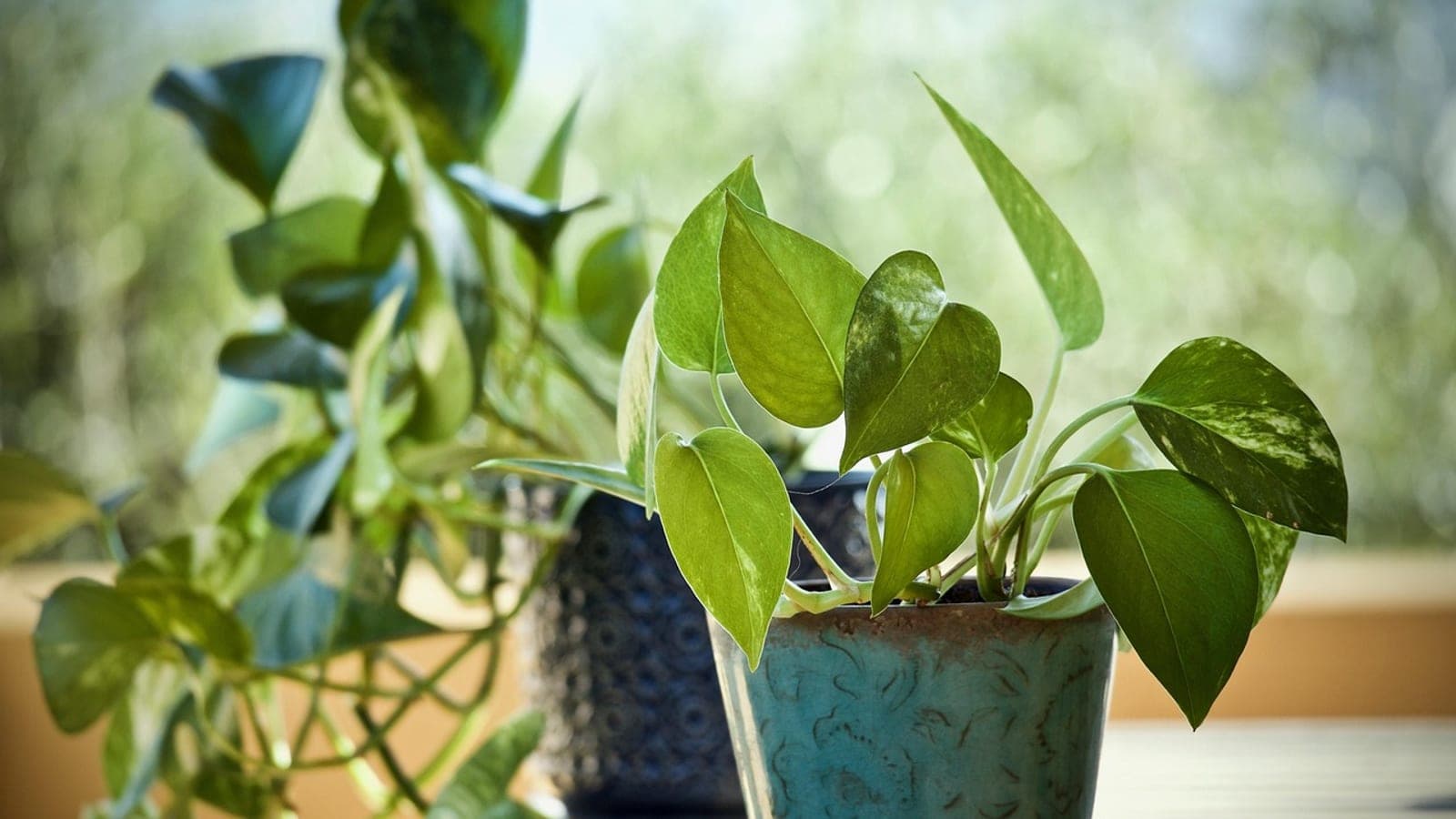
Peace lilies show the point clearly. They collapse if the compost is dry and collapse again if it is waterlogged, and a bottom soak is exactly right for the first and exactly wrong for the second. The deciding evidence is in the pot, so look there before you pick a method.
Let Folly work out when
This is the gap Smart Care schedules are built for. Each plant gets its own watering interval from more than fifteen attributes, including its pot, the light in its room, the season and the weather where you live. Tap any plant and you can see every factor behind its interval, with the percentage it added or removed. Most apps ask you to trust the number. Folly shows its working.
So you can use whichever method suits the plant, bottom or top, and let the schedule tell you when it is due. If you note down what you did, the care log records watering back-dated to the day you did it, so the next due date moves with it.
Questions people ask
Is bottom watering better than top watering?
Neither is better across the board. Bottom watering wets the whole root ball evenly, keeps water off the leaves and rewets compost that has dried hard. Top watering flushes built-up mineral salts out through the drainage holes. Many growers use both, bottom watering for the thirsty or fussy plants and a top watering now and then to flush the pot.
Can you bottom water succulents?
You can, but most succulents do not need it. They want the compost dry most of the way down between waterings, so the risk is leaving the pot in the water for too long. If you do it, keep the soak short, drain the pot fully and wait until it is dry again before repeating.
Can you bottom water a monstera?
Yes. Monsteras take it well, especially when the compost has shrunk away from the pot and top watering runs straight through. Let the pot take up water until the surface is damp, lift it out, drain it completely and return it to its saucer or cover pot only once it has stopped dripping.
How long should you leave a plant sitting in water?
Until the surface of the compost feels damp, then take it out. That is the signal, not the clock, because a small pot of loose compost fills quickly and a large, dense one takes longer. A plant left standing in water after that point is waterlogged, which is the problem you were trying to avoid.
Does bottom watering stop fungus gnats?
It can help, because the compost surface stays drier and the larvae prefer it damp. It will not clear an infestation by itself, and a pot left sitting in water will make things worse. Treat it as one part of drying the surface out, alongside watering less often.