Why Is My Christmas Cactus Not Flowering?
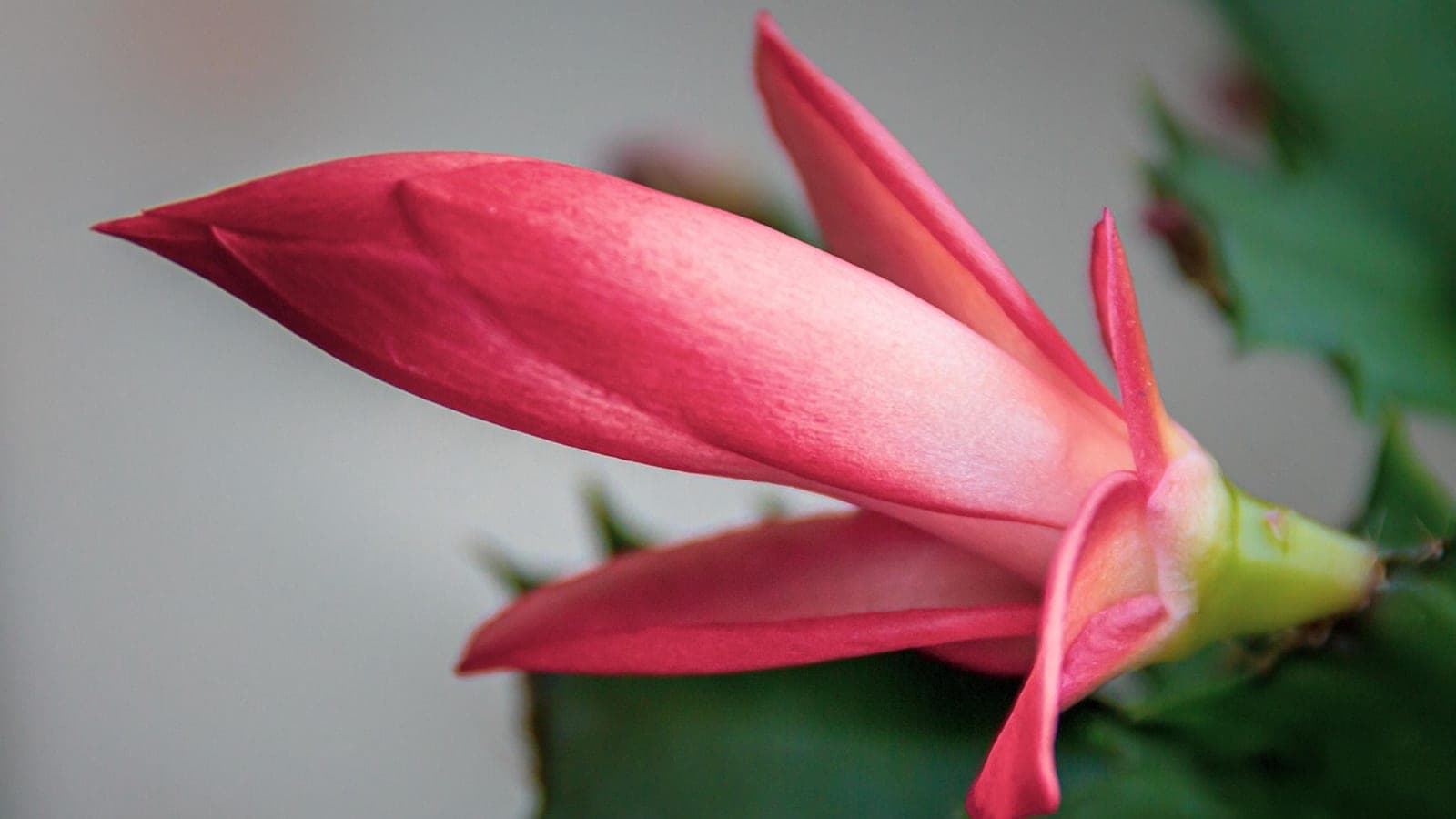
Photo by klickblick on Pixabay
A Christmas cactus flowers when nights are long, cool and uninterrupted. Here is what stops it, what makes buds drop, and how to get blooms next season.
The short answer
- A Christmas cactus flowers when it gets long, unbroken nights and cooler evenings for several weeks. Take either away and it stays green.
- The usual culprits are a lamp or street light in the room at night, a room that stays warm round the clock, and feeding too late in the year.
- Buds that form and then fall are a separate problem: sudden moves, temperature swings and compost that has dried hard.
- Start the routine now and you may still get blooms. If not, set it up for next year.
- Thanksgiving and Christmas cacti need the same routine, so the advice here fits both.
It needs a proper autumn
Holiday cacti grow on trees in forests, and they flower in response to the season changing. The RHS says that a plant which will not bloom could be due to the day-length not shortening and/or the temperature not dropping to mimic autumn. In a house, neither happens by itself. Rooms are warm, and lights come on whenever you walk in.
So the question is not what is wrong with the plant. It is which part of autumn your home is cancelling. Work through the three checks below in order. Most plants turn out to fail the first one.
Check 1: does it get a long, unbroken night?
Light at night is the single most common reason a Christmas cactus refuses to flower. Clemson Cooperative Extension states that fourteen hours or more of continuous darkness each day is required before flower bud set will occur. It also notes that as little as 2 hours of interrupted lighting will inhibit flower bud set.
That is stricter than it sounds. A cactus on a living room windowsill that sees a lamp for three hours every evening, or a street light through the curtains, is not getting a night. The plant counts the dark, and a break resets the count.
What to do:
- Move it to a room that is dark from dusk to morning, such as a spare bedroom, a landing or a cool porch.
- If you cannot move it, cover it each evening with a cardboard box or a dark cloth and lift it in the morning. Be consistent, because a few missed days restart the clock.
- Keep it in bright light in the daytime. Long nights only work if the days are bright.
Count back from the date you want flowers. Buds take some weeks to show after the dark routine begins, and the flowers open a few weeks after that. In the northern hemisphere, nights are already long in November. In Australia, New Zealand and South Africa the plant's natural flowering season comes at the other end of the calendar, so the routine would start in your late summer or early autumn.
Check 2: does it get cooler evenings?
Warm nights hold back buds. Clemson also says that continuous warm temperatures can cause flower buds to drop, so a room that sits at one comfortable temperature all day and all night is working against the plant.
You do not need a cold room. You need a noticeable drop. A spare room with the heating off, a porch, or a bright hallway where the temperature falls overnight will do. Aim for cooler nights than days, and keep the plant away from radiators and from draughts under doors. Our guide to plants near radiators explains why hot, dry air around a plant causes trouble.
A caution: cool does not mean cold. Do not leave it somewhere that drops near freezing, and do not put it on a windowsill with the curtains drawn behind it, because the glass is far colder than the room.
Check 3: how it was fed and watered in summer
Feeding is the quiet one. Clemson advises stopping fertiliser once summer is ending (late summer in the northern hemisphere, late summer to early autumn in the southern), because that gives greater flower bud production in the fall (autumn). A plant fed all the way into September puts its effort into green growth.
Watering matters too. For the plant's rest periods, the RHS suggests you let the top few centimetres (an inch or so) of compost (potting mix) dry out between waterings, while never letting the pot dry out completely. Once buds are visible, go back to even watering.
Two more reasons to look at the pot:
- Roots too crowded. A plant that has filled its pot dries out fast and struggles to hold buds. Repot when new growth starts in spring, into a pot only one size bigger, never in autumn.
- Waterlogged compost. Soggy roots mean yellow, soft segments and no energy for flowers. Our guide to why a cactus turns yellow shows how to read the signs, and overwatered succulents covers rescue.
If it makes buds and then drops them
Buds appearing and then falling is a different problem, and it is more common than no buds at all. The RHS says bud drop is usually caused by fluctuating temperatures, too hot by day and too cold by night.
Look for what changed in the week before they fell:
Was the plant moved?
A change of room, or even a turn of the pot towards a different window, is the classic trigger. Once buds show, pick a spot and leave it there.
Was there a draught or a heat source?
A door that opens onto a cold hall, a radiator beneath the sill, or a fire nearby will all do it. Move the plant before buds form, not after.
Did the compost dry out hard?
Compost that shrinks from the pot wall lets water run straight through. Buds are expensive for the plant to hold and drop first when it is short of water.
Is it sitting in water?
A saucer that never gets emptied keeps the roots wet. Tip it away after every watering.
Is it even a Christmas cactus?
If the plant has pointed, saw-toothed edges on its segments, it is probably a Thanksgiving cactus. It tends to flower earlier, so what looks like "not flowering in December" may be a plant that has already finished. Our guide to telling a Christmas cactus from a Thanksgiving cactus shows how to check in a minute.
The care in this article applies to both.
A plan if the plant has not set buds yet
You can still try for blooms this season, whichever side of the equator you are on. Here is a plan that works with what a normal home offers.
- Move the plant to the darkest room you have, one that stays dark for the whole night.
- Keep it there through the evening and night, and in bright indirect light by day if you can carry it. If not, a bright room with a box over it at night works.
- Water when the top of the compost is dry, and never let it stand in water.
- Do not feed it.
- When buds are the size of a grain of rice or larger, stop moving it. Keep the routine going until they open.
- After flowering, give it a rest with less water for a few weeks, then resume normal care in spring.
If nothing happens after several weeks, do not panic. A plant that stays green this year is storing energy, and with the right autumn next time it will flower.
Which plants in your home want the same treatment?
Need dark nights to flower
- Holiday cacti
- Christmas, Thanksgiving and Easter cacti all want long nights and cooler evenings before they set buds.
- Poinsettia
- Also colours up in response to long nights, and a lamp in the room can stop it too.
Flower regardless of day length
- Pothos and snake plant
- Grown for their leaves, so there is no flowering routine to get right.
- Peace lily
- Flowers in ordinary room conditions without a dark routine, so it is easier to please.
Let Folly keep the rest of the year on track
A Christmas cactus flowers in winter because of what you did the season before. That is hard to remember. Folly's care log records each watering and feed, so you can see what you did before a good year or a bad one, and water and feed reminders are free. If you want the watering interval worked out for you, Smart Care on Folly Pro builds it from more than fifteen attributes, and you can tap any plant to see every factor and the percentage it added or removed. Folly shows its working.
If your cactus is doing something this article does not explain, such as soft segments, spots or a sticky coating, photograph it. Plant Doctor diagnoses from a photo against 500+ diseases and pests, and gives you the likely cause, what it looks like, how to prevent it and what to do first, free. For a wider winter checklist, see houseplant care in a winter with the heating on.
Questions people ask
Why is my Christmas cactus not flowering?
Almost always because it has not had the autumn it expects. Holiday cacti set buds when nights are long, uninterrupted and a little cooler than the days. A lamp that comes on in the evening, a constantly warm room, or feeding late into summer can each stop buds forming.
Why has my Christmas cactus stopped flowering after years of blooming?
Something about its year has changed. A new lamp in the room, a move to a warmer spot, a switch to a centrally heated room, or a pot that has become too full of roots are the usual causes. Work back through the light, the temperature and the feeding before you blame the plant.
Why is my Christmas cactus dropping leaves or buds?
Dropped buds follow sudden change: a move, a draught, a hot day and a cold night, or compost that has dried out hard. Dropped segments (what look like leaves) usually mean the roots are too wet. Check the pot first, and let the top of the compost dry before watering again.
How long does a Christmas cactus take to flower after the dark period starts?
Expect buds to show some weeks after nights lengthen and cool, and flowers a few weeks after that. If you start the dark routine late, the plant will flower later. Keep conditions steady once buds appear and do not move it.
Can I make my Christmas cactus flower now?
You can still try. Give it a dark, cool room for the whole night, with no light at all, and keep the routine going for several weeks. Blooms may come late rather than on time, which is a fine result.