Why Is My Fiddle Leaf Fig Dropping Leaves?
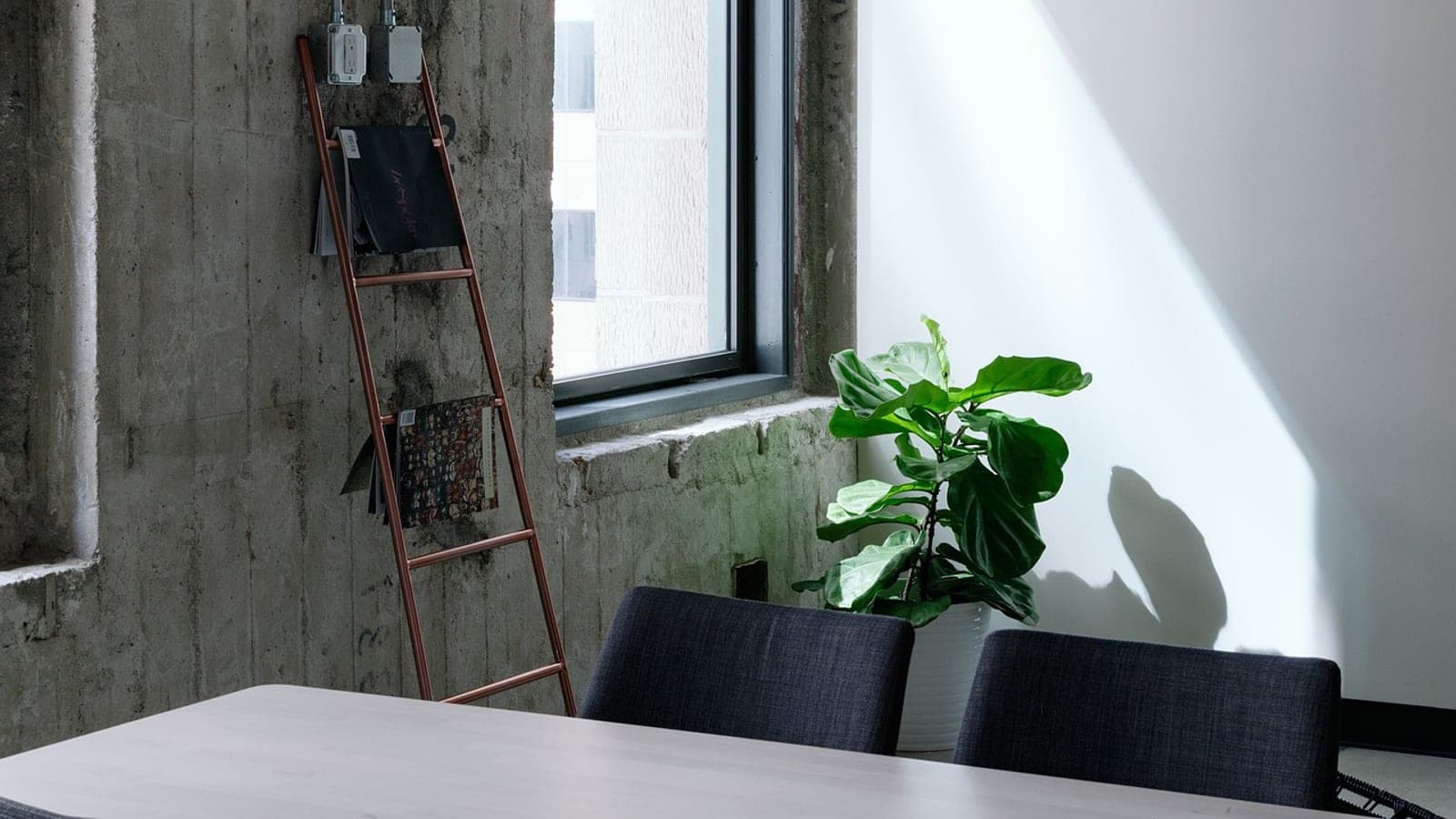
Photo by StockSnap on Pixabay
A fiddle leaf fig drops leaves when something changes, such as a move, a draught, a watering swing or less light. Here is how to find which, and what to do.
The short answer
- A fiddle leaf fig drops leaves when something changes. The usual culprits are a move, a draught or heat source, watering that swings between soaked and dry, and too little light.
- Work out what changed in the last few weeks. That is nearly always the answer.
- Check the compost a few centimetres (an inch or two) down before you water. Wet and heavy, or dry and pulling from the pot, tells you which way you have gone wrong.
- Once you fix the cause, stop fussing. Keep the light, position and watering steady and let it settle.
- Lower leaves going slowly on a plant that is growing well at the top is normal ageing.
It reacts to everything
The fiddle leaf fig has a reputation as a difficult plant. It is quick to tell you something is wrong, and it does so by dropping leaves. It is a tropical tree and does not cope well with sudden change. Clemson Cooperative Extension says of its close relative the weeping fig that it reacts to almost any stress by shedding leaves. Fiddle leaf figs behave in the same way. The plant is not being dramatic for no reason. It is responding to a real difference in its light, water, temperature or position.
That is useful, because it means the question to ask is not "what is wrong with this plant" but "what changed". Think back over the last few weeks. Did you bring it home, move it to a different room, repot it, turn the heating on, or start watering on a new schedule? One of those is very likely the reason.
The five causes, in order of how often they are to blame
1. A move or a repot
Moving the plant is the most common trigger, and it catches people out because the leaves may not fall until some time afterwards. The same Clemson factsheet notes that weeping figs often shed leaves when moved to a new location or repotted.
A new plant from a garden centre (nursery) has usually been grown in a bright, warm greenhouse. Your living room is a big step down in light, and the plant sheds the leaves it can no longer afford to keep. Fewer leaves is how it rebalances.
What to do: nothing dramatic. Pick one good spot and leave it there. Do not turn it every few days, do not repot it to help, and do not feed it. If it is dropping a few leaves after a move and the rest look firm and glossy, it is settling in. Our guide to plants drooping after repotting covers the same shock in more detail.
2. Watering that swings
Both extremes cause leaf drop. Clemson lists overwatering and under-watering among the causes of leaf drop, and Penn State Extension lists low soil moisture and low humidity for ficus.
Even is the important word. A fiddle leaf fig that is left until the compost is bone dry, then flooded, then left again will drop leaves. So will one that is watered a little every day and never dries out.
Overwatering is the more dangerous of the two. Roots sitting in wet compost run short of air and begin to rot, and a plant with rotting roots cannot take up water however much is in the pot. The leaves then look thirsty, which tempts people to water again.
Test it properly:
Lift the pot
A pot that has just been watered is heavy. One that is dry is light. Learn the weight of yours at both extremes and you can tell from a quick lift.
Push a finger in
Go down a few centimetres (an inch or two), well past the surface. Dry at that depth means water it. Cool and damp days after the last watering means wait.
Look at the drainage
Water should run out of the bottom when you water, and the pot should never stand in a full saucer or a decorative outer pot. Tip away what collects.
Check the leaves that fall
Leaves that yellow, go soft and drop point to too much water. Leaves that go dry, crisp and curl point to too little.
If you suspect rot, slide the plant out and look. Healthy roots are firm and pale. Rotten ones are brown or black and soft. Cut the soft ones away with clean scissors, repot into fresh free-draining houseplant compost (potting mix) in a pot with drainage holes, and water lightly afterwards. Our guide to how often to water houseplants explains how to build a routine that adjusts for the season instead of running to a calendar.
3. Draughts and heat
This is the cold-season cause, when days are short and the heating is on, and the one most often missed. Clemson's advice is blunt: do not place the plant near a heat vent or draught, because it causes excessive leaf drop.
A fiddle leaf fig in a hallway beside the front door, next to an opening window, or above a radiator is being hit by sudden swings in temperature and dry air. Cold glass on a winter night can be much colder than the room, and a leaf pressed against it will suffer. Hot dry air over a radiator does the opposite damage.
What to do: move it out of the draught or the heat column, to a spot away from the door and a little way back from cold glass. Our guides to plants near radiators and to houseplant care in a winter with the heating on go through how to test a spot and how to adjust watering when the house is warm and the days are short.
4. Not enough light
Fiddle leaf figs want a lot of light. The RHS lists it for full or filtered light, and low light is one of the causes of leaf drop Clemson names for its relative. In practice that means a spot at or right beside a bright window, not the far corner of the room.
A plant in too little light sheds leaves slowly and steadily, grows leggy, and the new leaves come in smaller. The fix is a brighter position, but make the change in steps. Moving a plant from a dim spot straight into hard direct sun can scorch leaves that are not used to it. Move it nearer the window in stages.
Which window is brightest depends on where you live. In the northern hemisphere a south-facing window gets the most sun. In Australia, New Zealand and South Africa it is the north-facing one. Whichever it is, the sunniest side of your house is where this plant wants to be, in winter especially.
5. Dry air, and pests
Low humidity, which Penn State lists above, matters most in heated rooms. Keep the plant away from vents and radiators.
Pests are a less common cause, but they are worth ruling out when leaves are dropping and the watering and position look right. Turn a leaf over and look at the underside and the joints where the stem meets the leaf stalk. Fine webbing and tiny speckles point to spider mites. Small brown bumps that do not rub off easily are scale insects. Sticky leaves usually mean one of the two, so our guide to sticky leaves helps you tell them apart.
For any pest treatment, start with physical fixes: wipe the leaves, isolate the plant, and repeat. If you use a product, choose it by type, check it is approved for houseplants where you live, and follow the label.
Which leaves are dropping tells you something
Where the leaves fall from, and what they look like, narrows the cause.
Usually a problem to fix
- Many leaves at once, all over the plant
- A sudden shock: a move, a cold draught, a big watering swing or a heat source. Find what changed this month.
- Yellow, soft leaves with wet compost
- Overwatering and the roots running short of air. Check the roots and let the pot dry properly before you water again.
- Dry, crisp leaves with dry compost
- Too long between waterings, or hot dry air. Water thoroughly and move the plant away from heat.
Usually normal
- One or two old leaves from the bottom
- The plant shedding its oldest foliage while the top grows. Leave it alone.
- A few leaves in the weeks after a move
- Settling in. Keep the plant where it is and keep conditions steady.
- Slow loss in winter on a plant that is otherwise firm
- Weaker light means it carries fewer leaves. Keep it bright, keep it away from heat, and wait for the light to return.
After you fix it
Once you have found and fixed the cause, the hardest part is leaving the plant alone. A fiddle leaf fig that has just dropped leaves does not need feeding, a bigger pot, extra misting or a new position every week. Each of those is another change, and change is what caused the trouble.
Keep it in one bright spot, water only when the compost has dried a few centimetres (an inch or two) down, and watch for new growth at the top. If it keeps going downhill, our guide to saving a dying houseplant sets out what to check next and when to change course.
Let Folly narrow it down
Several of these causes look alike, and the evidence is spread across the pot, the roots and the leaves.
Photograph a dropping or spotted leaf and Plant Doctor matches it against 500+ diseases and pests. It gives you the likely cause, what it looks like, what causes it, how to prevent it and what to do first, free. If it is a problem Folly can treat, a recovery plan on Folly Pro then takes the plant through it day by day, with check-ins on set days and an ending that records how it went.
Watering swings are the cause Folly can help you prevent. Smart Care schedules on Folly Pro set each plant's watering interval from more than fifteen attributes, including the light in its room, the season and the weather where you live, and every factor is listed with the percentage it added or removed. Most apps hand you a number and ask you to trust it. Folly shows its working, so a plant that needs less water in a dim winter room gets less.
Questions people ask
Why is my fiddle leaf fig dropping leaves in winter?
Winter combines several stresses at once. Light is weaker, the plant grows slowly so the compost stays wet longer, and heating dries the air and creates hot and cold spots. Check the compost before every watering, keep the plant clear of radiators and cold glass, and give it the brightest spot you have. A few older leaves going is normal. Many leaves going quickly is not.
Why is my fiddle leaf fig dropping bottom leaves?
A slow loss of the lowest, oldest leaves is the plant ageing and shedding what it no longer needs, especially if the top is growing well. If the bottom leaves yellow and fall fast, or the compost stays wet for days, suspect overwatering and check the roots. If they go dry and crisp, the plant is being left too dry between waterings.
Why is my fiddle leaf fig dropping leaves with brown spots?
Brown spots with leaf drop usually mean the roots are struggling, most often from compost that stays wet for too long, though a dry pot and scorching sun can also mark leaves. Dark spreading patches that begin at the edges or centre of the leaf and appear alongside soggy compost point to root trouble. Feel the compost, look at the roots, and photograph the leaf for Plant Doctor if you are unsure.
Will the leaves grow back after my fiddle leaf fig drops them?
Leaves do not regrow on the bare stem where they fell, but a healthy plant puts out new leaves from the top and sometimes from nodes along the trunk once the cause is fixed. Patience matters more than feeding or fussing. Keep conditions steady and expect new growth in the growing season rather than in the darkest weeks of the year.
Should I cut off the damaged leaves?
Remove leaves that are fully brown or have already come away easily. Leave any that are still partly green, because the plant is still using them. Never strip a stressed plant bare, as it needs every working leaf to recover.