Orchid Leaves Drooping, Wrinkled or Yellow: What Each Means
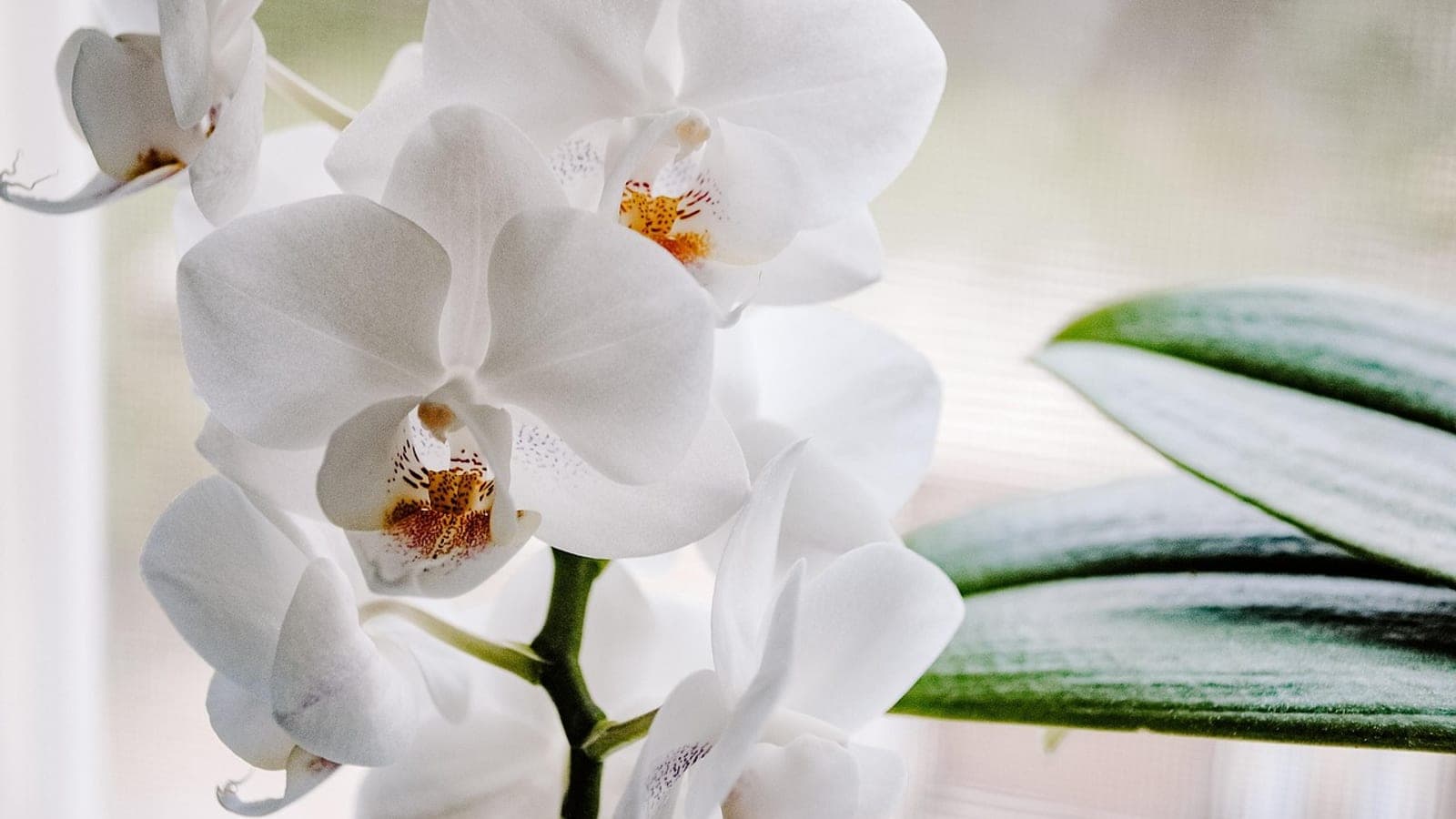
Photo by sprayworksmkt on Pixabay
Drooping or wrinkled orchid leaves usually mean the roots are failing, not the leaves. How to read the roots, fix thirst or rot, and when yellow is normal.
The short answer
- Drooping, wrinkled leaves on an orchid mean water is not reaching them. The cause is nearly always in the roots, not the leaves.
- Slide the plant out of the pot. Firm, plump roots mean the plant is fine. Papery grey roots mean thirst. Brown, soft roots mean rot.
- One yellow leaf at the very bottom, with everything else firm, is normal ageing. Do nothing.
- Never water on a hunch. Watering a plant with rotten roots keeps it wet and makes the rot worse.
Leaves show the problem. The roots hold the answer
An orchid is not a normal pot plant. The common supermarket kind, the moth orchid (Phalaenopsis), is grown in bark, not soil, and that changes how everything goes wrong.
When a moth orchid droops or wrinkles, the leaves are reporting that the roots have stopped delivering. The RHS says the roots should never dry out completely and plants should never sit in water, and the reason is simple: if kept too wet, the roots are likely to rot, and if kept too dry, they may shrivel and die. Either way the leaves go limp.
That is why the same symptom has two opposite causes, and why you cannot fix it by looking at the leaves. You have to look at the roots.
The two-minute root check
Most orchids are sold in a clear plastic pot, which makes this easy. Lift the plant out of any decorative cover pot first, then look through the plastic. If you cannot see well, ease the plant and bark out of the pot.
Look at the colour
Plump, firm roots are healthy. Brown or black roots are dead or dying.
Squeeze one gently
A healthy root is firm and slightly springy. A rotten one is soft and mushy.
Check for shrivelling
Thin, papery, collapsed roots that feel light and crisp mean the plant has been too dry for too long.
Smell the bark
A sour or swampy smell means the mix has broken down and is holding water. Good bark smells woody and clean.
Check the bark itself
Bark that has broken down into dark, fine crumbs stays wet far longer than chunky bark. It has done its job and needs replacing.
If the roots are dry and shrivelled
This is the easier problem. The plant is dehydrated, often because the bark dried right out and water ran through it without soaking in.
Stand the pot in a bowl of room-temperature water and leave it for a short while so the bark and roots can drink. Lift it out and let it drain completely, because the aim is wet roots, not a wet bowl. The leaves are slower to recover than a peace lily's, and some of the deepest creases may stay.
Orchids in bark generally want watering about once a week, as Clemson's extension service puts it, but treat that as a starting point. A warm, bright room dries bark faster than a cool one, so the roots matter more than the calendar. Water when the roots have turned silvery and the bark is dry a little way down. Our guide to how often to water houseplants covers why a fixed schedule only gets you so far.
If the roots are soft and brown: root rot
Roots that rot cannot drink, so the plant wrinkles exactly as if it were parched. This is where watering again does harm, because a plant that looks thirsty is actually drowning.
To save it:
- Take the plant out and shake or rinse off all the old bark.
- Cut away every root that is brown, soft, hollow or mushy with clean scissors. Keep the firm, green or silvery ones, even if only a few remain.
- Repot into fresh orchid bark mix. The RHS is blunt that loam-based or multipurpose compost (potting soil) will kill moth orchids, so use a proper bark mix and a pot with drainage holes.
- Water lightly and let it drain fully, then wait until the roots look dry before watering again.
Go easy afterwards. A plant with few roots needs very little water, and the leaves will stay limp for weeks while it rebuilds. That alone is not a sign it has failed. If you are not sure the plant is worth the effort, our step-by-step recovery guide for a dying houseplant sets out what progress looks like and when to change course.
Wet bark is also where fungus gnats breed, so a cloud of tiny flies around the pot is another sign it stays wet for too long.
Yellow orchid leaves: normal or not?
Yellow leaves are the one symptom that is sometimes fine. Read the pattern.
One yellow leaf at the bottom, everything else firm and glossy. The plant is dropping its oldest leaf. Let it yellow fully and come away on its own, or cut it off once it is dry. Nothing is wrong.
Several leaves yellowing, or a yellow leaf that is soft. That points to wet roots. Go back to the root check.
Yellow or bleached patches that turn brown and papery on the side facing the window. Sun scorch. The RHS says direct sun can scorch the leaves, so keep the plant out of it. Moth orchids do best in indirect light, and Clemson prefers an east-facing window, which gets gentle morning sun in both hemispheres.
Our wider guide to why houseplant leaves turn yellow helps if the pattern here does not match what you see.
Cold and draughts
If the roots are sound, cold is the next suspect. Moth orchids dislike fluctuating temperatures, and the RHS advice is to keep them away from radiators, heaters and draughts. A leaf pressed against glass on a cold night is far colder than the room, and Clemson warns that foliage touching cold glass in winter will be damaged. Move the plant clear of the glass whenever it is cold outside (winter in the northern hemisphere, roughly June to August in Australia, New Zealand and South Africa) and keep it out of the path of an opening door. Clemson gives the range moth orchids prefer as 60 °F to 85 °F, which is about 16°C to 29°C.
Watering habits that cause most of the trouble
- Water on the roots, not a date. Water when the roots look silvery and the bark is dry.
- Keep water out of the crown. The RHS says to take care not to splash the leaves or get water into the crown, because water pooling where the leaves meet invites rot. Tip any that collects out with a tissue.
- Never leave it standing in the cover pot. Water collects unseen in a decorative outer pot. Empty it after every watering.
- Replace old bark. Bark that has broken down to fine crumbs holds water far longer than it should. Repot as soon as it breaks down.
- Check for mealybugs. The RHS says moth orchids are generally untroubled by pests, but they may occasionally attract mealybugs. White cottony tufts where leaves meet the stem are the sign. Our guide to sticky leaves on indoor plants shows how to confirm and deal with them.
When you cannot tell what it is
Orchids are slow. A leaf that wrinkled over a month will take months to recover, and by the time it looks bad the cause may be long gone. That is when a second opinion saves weeks of guessing.
Photograph the leaf and the roots and Plant Doctor matches them against 500+ diseases and pests. On every plan, free, it gives you the likely cause, what it looks like, how to prevent it and what to do first. If it is a problem Folly can treat, a recovery plan on Folly Pro then takes the plant through it day by day, with check-ins on set days, and pauses the plant's normal watering reminders while it runs.
For the watering itself, Smart Care schedules on Folly Pro build each plant's interval from more than fifteen attributes, including the light in that room, the season and your local weather. Tap the plant and every factor is listed with the percentage it added or removed. Most apps ask you to trust the number. Folly shows its working, which is exactly what an orchid in a bright window with fast-drying bark needs.
Questions people ask
Why are my orchid leaves drooping?
Almost always because the roots cannot supply water. Either they have dried out and shrivelled, or they have rotted from sitting wet, and the two look the same from above. Slide the plant out of its pot and look at the roots. Firm and plump means the plant is fine. Papery, grey and thin, or brown and mushy, tells you which problem you have.
Why are my orchid leaves wrinkled?
Wrinkling means the leaves have lost water. That can be from dry roots, or from roots rotted away so they cannot drink. Check the roots before you water. If they are shrivelled, soak the pot. If they are soft and brown, cut away the dead ones and repot into fresh bark mix.
Why are my orchid leaves turning yellow?
A single yellow bottom leaf, with the rest of the plant firm, is the plant shedding its oldest leaf and needs nothing. Several leaves yellowing together, or a yellow leaf that is also soft, points to wet roots or too much direct sun. Check the roots, then the light.
Why are my orchid leaves falling off?
Leaves drop when the plant cannot keep them supplied, usually from root rot, a cold draught or a chill from touching cold glass. Look at the roots first. If the roots are healthy, move the plant away from the window pane and any draught and leave it to settle.
How do I fix root rot in an orchid?
Take it out of the pot, remove all the old mix and cut away every root that is brown, soft or hollow, using clean scissors. Repot the firm roots in fresh orchid bark mix in a clear pot with drainage holes. Water once the roots feel dry, not on a fixed day.