Why Does My Parlour Palm Have Brown Leaves?
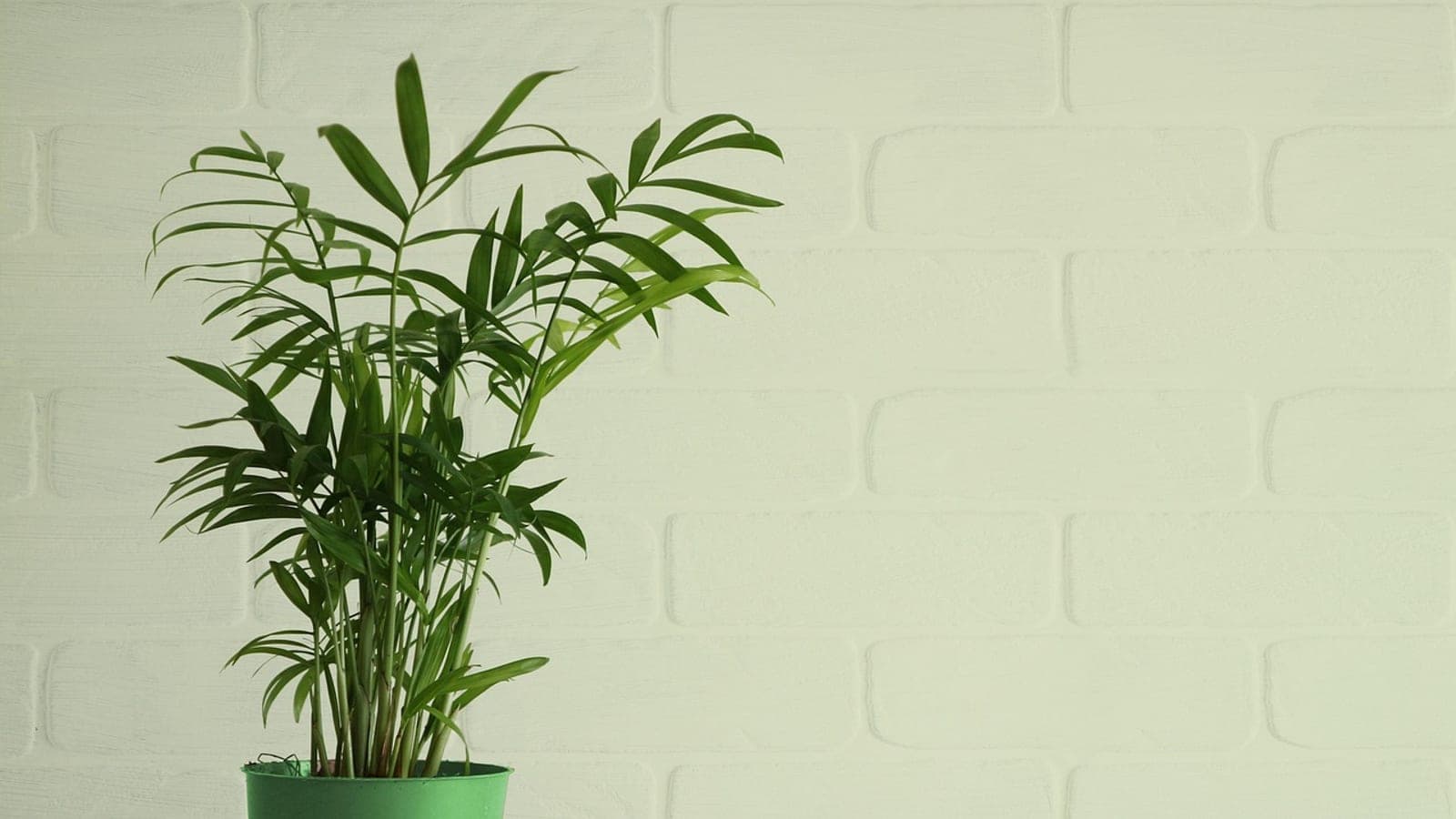
Photo by FotoKacper on Pixabay
Brown tips on a parlour palm usually mean dry air or hard water. Brown spots or crisp whole fronds point elsewhere. Here is how to read each and fix it.
The short answer
- Brown tips on a parlour palm are most often dry air or hard tap water. Mist, switch to rainwater or filtered water if you can, and keep it away from radiators.
- Brown patches or spots along the fronds point to overwatering or a cold shock. Check the compost before you do anything else.
- Crisp, bleached brown across the whole frond is sun scorch. Move it back from the glass.
- One or two old lower fronds going brown is normal ageing and needs no action.
- Brown tissue never turns green again. Judge your fix by the new fronds.
Look at where the brown is
A parlour palm (Chamaedorea elegans, also sold as a neanthe bella palm) tells you what is wrong by where it browns. Spend a minute looking before you change anything.
- Tips and edges only: the air is dry, or the water is hard.
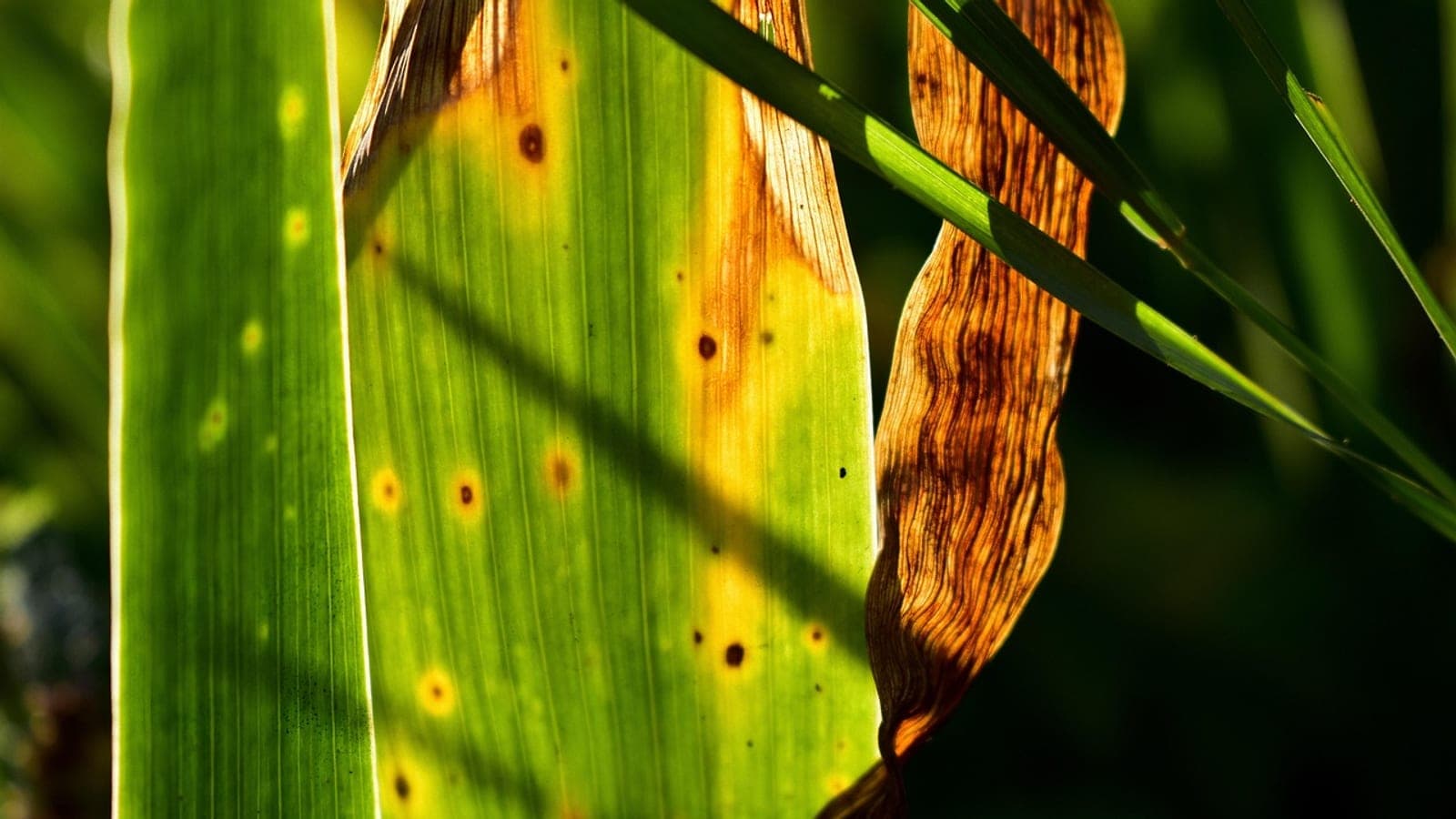
- Spots or blotches in the middle of fronds: too much water, or a cold blast.
- A whole frond gone pale and papery: sun through glass.
- Lowest fronds only, one at a time: age.
- Brown across many fronds, with mushy stems and a sour pot: the roots.
Most plants have one clear pattern. If yours shows two, start with the one that affects the most fronds. Our general guide to brown tips on houseplant leaves covers the same logic across other plants, and the spider plant version is a close cousin of this one.
Brown tips: dry air and hard water
This is the usual answer. The RHS says it is beneficial to mist the leaves regularly, because dry air can cause the leaf tips to go brown. Indoors that dry air is worst in the cold months (winter in either hemisphere), when heating pulls moisture out of the room.
The same RHS guide warns that tap water in hard-water areas is alkaline and can harm these plants, causing the leaves to brown. If the inside of your kettle furs up with limescale, your tap water is hard. Rainwater is the easy swap, and filtered water helps too. Leaving a jug of tap water to stand overnight does not remove the minerals, so do not rely on that.
What to do:
- Move the pot away from radiators, heaters and hot air vents. Our guide to whether plants can go near a radiator explains why the area just above one is the worst spot in the room.
- Mist the fronds regularly, or group the palm with other plants so the air around them holds more moisture.
- Water with rainwater or filtered water where you can.
- Leave the existing brown tips alone, or trim them (see the FAQ). They will not recover. Judge the fix by the new growth.
New fronds that unfurl clean and green mean the cause was right and you have fixed it.
Brown spots or patches: too much water, or a chill
The RHS lists brown spots on palm leaves as caused by overwatering or sudden chilling. The two look alike on the leaf, so check the pot and the position.
Push a finger into the compost. If it is wet and heavy several days after the last watering, you are overwatering. The RHS adds that where browning is severe, overwatering and the accompanying rotting of the roots could be the problem.
If the pot is wet:
- Stop watering until the top layer of compost has dried.
- Tip any water out of the saucer or cover pot. A palm standing in water is the usual cause.
- If the stems feel soft or the compost smells sour, slide the plant out and look. Healthy roots are firm and pale. Rotting roots are dark and soft. Cut away the soft ones with clean scissors and repot into fresh, free-draining compost in a pot with drainage holes.
- After that, water lightly and wait. A plant with fewer roots needs less water than before.
Our guide to how often to water houseplants sets out how to check without guessing. For a plant that is properly struggling, how to save a dying houseplant walks through what recovery looks like.
If the pot is only slightly damp, think about cold. Look at where the palm stands. A leaf pressed against a cold window on a freezing night, or a spot by a door that opens onto the outdoors, can chill it fast. Move it to a steadier spot, away from the glass.
Pale, papery brown: too much sun
The RHS says the leaves of most palms will be scorched by direct bright sunlight through glass. On a parlour palm this shows as bleached, crisp brown patches on the fronds facing the window, usually on a plant that has recently been moved to a sunnier spot or has had its curtains opened up once the sun got stronger.
Its preferred light is bright but indirect, according to the RHS growing guide. In practice that is a spot near a window but out of the direct beam, or behind a thin curtain. Which window that is depends on where you live: in the northern hemisphere the sunniest window faces south, and in Australia, New Zealand and South Africa it faces north. Choose the side that gets the strongest sun and pull the palm back from it.
Scorched fronds will not recover. Move the plant, then remove the worst ones at the base.
Lower fronds browning one at a time
If the oldest, lowest fronds yellow and then brown while everything above is healthy, that is ageing. The RHS notes that lower leaves that yellow with age will eventually turn brown. It suggests occasionally removing old, dying fronds at the base to keep the plant looking its best. Cut them off rather than pulling, so you do not tear the stem.
It becomes a problem only when the pace picks up. If a new frond browns every week, go back to the causes above.
Pests that look like browning
Fine speckling, a dusty bronze look, or sticky residue on a frond can be a pest rather than a watering fault. The RHS says palms can be attacked by scale insects, mealy bugs and sometimes glasshouse red spider mite. Turn a frond over and look at the underside and the joints where fronds meet the stem. Our guides to spider mites and scale insects show what each looks like and how to deal with them. If you reach for a treatment, choose a product by type, check it is approved for houseplants where you live and follow the label.
Cats, dogs and a nibbled palm
Parlour palms are a common choice for homes with pets, and the ASPCA lists the parlor palm as non-toxic to dogs and cats. That is about poison, not appetite. A cat that chews the fronds leaves ragged brown edges, which is easy to mistake for a watering fault. If the damage is on the outer, lower fronds and looks chewed rather than dried, put the plant up out of reach.
Which houseplants brown the same way
Brown at the edges when air is dry
- Calathea
- Crisps at the margins first, and curls too. Dry air and hard water both bother it.
- Spider plant
- Brown tips are its signature problem, and tap water minerals are a usual cause.
- Boston fern
- Fronds crisp quickly in the dry air around heating.
Shrug off dry air
- Snake plant
- Thick leaves hold water, so dry air barely troubles it.
- ZZ plant
- Stores water in its rhizomes and ignores most air that is too dry.
- Cacti and succulents
- Built for dry conditions. Trouble here usually means too much water.
Work out which brown it is
Dry air, hard water, a wet pot and a cold window all brown a parlour palm in ways that look close enough to confuse. That is where a second opinion helps.
Photograph the frond and Plant Doctor matches it against 500+ diseases and pests, then gives you the likely cause, what it looks like, what causes it, how to prevent it and what to do first, free. If it is a problem Folly can treat, a recovery plan on Folly Pro then builds a day-by-day plan for that plant, with check-in reminders, and pauses its usual watering reminders while it runs.
To stop the overwatering behind so many brown palms, Smart Care schedules on Folly Pro build each plant's watering interval from 15+ attributes, including the room, the light, the season and your local weather. Tap the plant and every factor is listed with the percentage it added or removed, so you can see why it says water on Thursday rather than just trusting the date.
Questions people ask
Should I cut the brown tips off a parlour palm?
You can, for looks. Snip along the natural shape of the frond with clean scissors and leave a thin brown edge so you do not cut into healthy green tissue. The brown will not spread back or heal, so trimming does nothing for the plant itself. Fix the cause and the new fronds will grow clean.
How often should I water a parlour palm?
When the top layer of compost (potting mix) has dried out, not on a fixed day. Water until it runs from the drainage holes, then empty the saucer. In the cold months growth slows and the plant needs less, so the gap between waters stretches. Checking the pot with a finger beats any calendar.
Why does my parlour palm have brown tips only on some fronds?
The fronds nearest the heat source, the window or the draught take the worst of it, so the damage is lopsided. Turn the pot a quarter turn each time you water and look at which side browns first. That side is facing the cause.
Will brown parlour palm fronds turn green again?
No. Brown tissue is dead and stays brown. What you can change is the next growth. If new fronds come through clean and green, your fix has worked, and the old damaged fronds can be removed at the base whenever you like.
Why is my parlour palm going brown after I moved it?
A move changes the light, the draughts and the humidity at once, and the plant often sheds or browns a few older fronds while it adjusts. Keep its care steady and give it time. If new brown keeps appearing weeks later, work through the causes in the article.