Aphids on Houseplants: Clearing Them Indoors
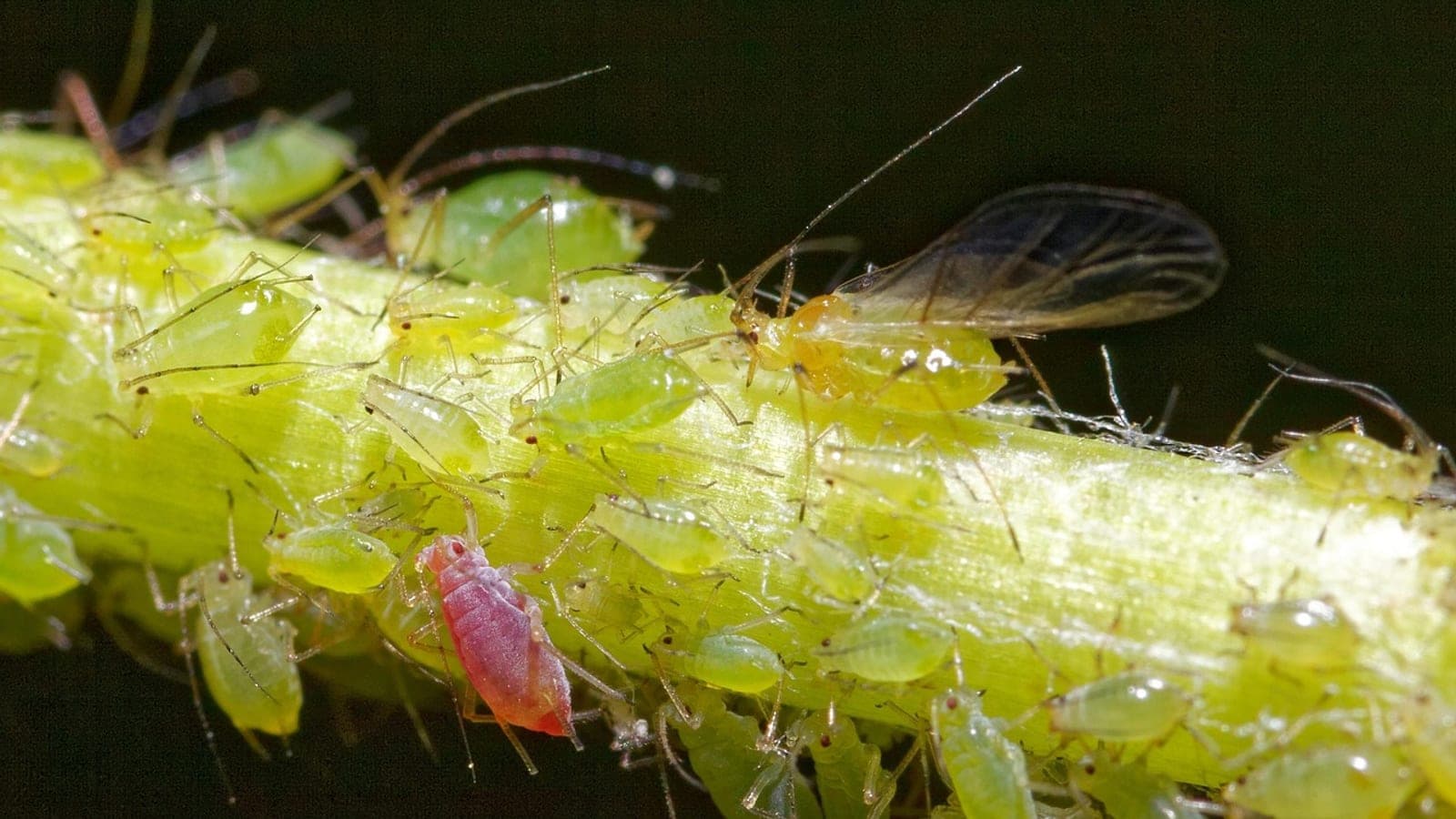
Photo by kkoertshuis on Pixabay
Small green, black or brown bugs clustered on new growth are aphids. Here is how to remove them from houseplants, stop them coming back and spot them early.
The short answer
- Small soft-bodied bugs clustered on new shoots, buds and the undersides of leaves are aphids. They can be green, black, brown, yellow or pink.
- Isolate the plant, then squash or wipe off every colony you can see. Rinse the plant under a lukewarm shower and wipe off the sticky residue.
- Repeat every few days for two weeks. One round never clears them, because survivors and unseen nymphs keep breeding.
- Check new plants, cut flowers and anything that has been outdoors before it joins the rest of your collection.
How to tell it is aphids
Aphids are small, soft, pear-shaped bugs, tiny, and they sit in groups. On a houseplant you will most often find them packed along a new stem, crowded around a flower bud, or tucked under the youngest leaves. Colour varies a lot. Green is the one most people picture, but black, brown, yellow and pink are all common, and a single colony can hold more than one shade.
Three signs confirm it:
- The bugs themselves. Aphids move slowly and do not jump or fly away when you touch the plant, which separates them from fungus gnats. The RHS says aphid feeding can cause stunted growth with curled or distorted leaves, so look closely at any new leaf that has come out small or twisted.
- Pale flecks on the leaves. As aphids grow they shed their skins, which stay behind as tiny white husks. People often mistake these for dandruff or flakes of mould.
- A sticky film. Aphids drink sap and excrete the surplus as honeydew, a clear, sticky syrup that coats the leaf below them, the windowsill and sometimes the floor. If your plant's leaves feel tacky, our guide to sticky leaves on indoor plants shows how to tell aphids from scale and mealybugs.
Winged aphids sometimes turn up too. When a colony gets crowded, some of the young grow wings and fly off to start a new one on the next plant. That is how a problem on one fern becomes a problem on the whole windowsill.
Where indoor aphids come from
The RHS notes that almost any plant can be a host to aphids, including houseplants, so any plant in your home is fair game. They get in a few ways:
- On a new plant from a shop or a friend, often as nymphs too small to notice.
- On cut flowers or a bunch of herbs brought into the kitchen.
- On a plant that spent the warm months outdoors. This is a common route once nights cool and plants move back inside, so check each plant before it comes in. Our autumn checklist for bringing houseplants indoors covers the full routine.
- Through an open window, as winged adults.
Aphids go for soft, fast new growth, so a plant that is putting out fresh leaves is the one they find first. Indoors, any burst of new growth can draw them.
Step 1: isolate the plant
Move the infested plant away from the rest of your collection before you do anything else. The RHS advises you to separate plants with sap feeding pests from unaffected houseplants, and with aphids that matters, because winged adults and wandering nymphs move on quickly. A spare room, a bathroom or the other end of a different shelf will do. Keep it there until you have gone two weeks without seeing a single aphid.
Step 2: remove every colony you can see
You do not need a product for a light or moderate infestation. Physical removal works and is where to start.
Squash or wipe the colonies
The RHS says you can use fingers and thumbs to squash aphid colonies. Wearing a glove, run finger and thumb along each stem. For tight spots between a bud and a leaf, use a damp cotton bud (cotton swab) or a soft brush.
Check under every leaf
Turn leaves over and look along the midrib. Aphids favour the underside of young leaves, and any colony you miss will be back to full size within days.
Rinse the whole plant
Take it to the sink or shower and rinse it with lukewarm water at gentle pressure, tilting it so the leaves and stems get washed from several sides. A strong jet damages soft growth, and cold water is a shock. Cover the compost (potting mix) if the pot is very full so you do not waterlog it.
Wipe off the honeydew
The sticky residue can be wiped off with a damp cloth, as the RHS puts it. It matters because it can grow a sooty mould, and it keeps leaves sticky and dusty.
Prune what is beyond saving
A badly distorted shoot or a bud covered in aphids is often quicker to cut off than to clean. Bin it in a sealed bag, not the compost heap, and clean your scissors afterwards.
Do not skip the repeat. Squashing and rinsing remove the adults and most nymphs, but they miss some, and aphids reproduce quickly. Go over the plant again every two or three days for the next two weeks. By the second or third round you should be finding a handful instead of a colony, and then nothing.
If they keep coming back
A plant that is reinfested within days usually has one of these problems:
- You missed the source. Check the plants beside it, the underside of leaves and the growing tips. Aphids on a neighbour will walk or fly across.
- Too much soft growth. Heavy feeding makes a plant push out lush, sappy shoots, which aphids prefer. Ease off the feed on an infested plant and let growth harden.
- A warm, still room. Aphids multiply fastest when it is warm and the air does not move. A little airflow and a cooler spot slow them down.
If you have done several rounds of physical removal and the colony is still growing, a product sold for treating houseplant pests is the next step. Choose by type rather than brand, check it is approved for houseplants where you live, and follow the label on dose, spacing and what to do afterwards. Test it on one leaf first, because some plants burn.
Ants are a clue
If you see ants walking up the stems of a plant, look for aphids. Ants farm them for honeydew and will defend a colony against anything that eats it. Removing the aphids removes the reason for the ants.
Aphids or something else?
Several pests look similar enough to confuse. This is how to tell them apart quickly:
- Aphids are soft and pear-shaped, in groups, mostly on new growth. They leave sticky honeydew and white shed skins.
- Spider mites are far smaller and leave fine webbing and a pale stippling across the leaf. If that is what you see, read our guide to getting rid of spider mites.
- Scale insects are hard, brown or tan bumps that do not move. See scale insects on houseplants.
- Thrips are thin and dark, and leave silvery streaks. See thrips on houseplants.
- Fungus gnats are small flies that rise from the compost when disturbed, not from the leaves. See how to get rid of fungus gnats.
Stop them before they spread
Aphids are far easier to deal with when a colony is the size of a fingernail than when it is the whole shoot. The RHS advice is to monitor houseplants frequently so that action can be taken before damaging populations develop, and a few habits make that easy:
- Quarantine every new plant for a couple of weeks, away from the others.
- Look at new growth and buds each time you water, since that is where aphids start.
- Shake out and inspect any plant that has been outdoors before it comes back in.
- Keep the leaves clean. Dust and honeydew hide the first few bugs.
Let Folly do the identifying
If you cannot tell whether those specks are aphids, mites or something else, photograph the leaf. Plant Doctor on Folly matches it against 500+ diseases and pests and gives you the likely cause, what it looks like, what causes it, how to prevent it and what to do first. That is free on every plan.
When a scan finds a problem Folly can treat, "Fix my plant" on Folly Pro asks a few quick questions about the plant and builds a day-by-day recovery plan, with reminders for each check-in. It also pauses the plant's normal watering and feeding reminders while it runs.
You can also see what is going on in each room. The Garden tab groups plants by room, so when one plant has aphids you can see at a glance which neighbours to check next.
Questions people ask
How do I remove aphids from houseplants?
Move the plant away from the others, then squash or wipe off every colony you can see, working over the stems, the buds and both sides of the leaves. Rinse the plant under a gentle lukewarm shower to knock off the rest. Repeat every few days for two weeks, because the ones you miss keep breeding.
Why do I have black aphids on my houseplants?
Colour tells you very little. Aphids come in green, black, brown, yellow and pink, and one species can show several colours. Black aphids are treated exactly like green ones. Look for clusters on new growth and buds, and for the sticky film they leave behind.
Where do aphids on indoor plants come from?
Most arrive on a new plant, on cut flowers, or on a plant that spent the summer outdoors. Winged adults can also drift in through an open window. Quarantine anything new for a couple of weeks and check plants that have been outside before they rejoin the rest.
Are green aphids different from black aphids?
Not in any way that changes what you do. Both feed on sap from soft new growth, both multiply quickly and both leave sticky honeydew. The same squashing, wiping and rinsing works on every colour.
Will aphids kill my houseplant?
A healthy established plant rarely dies from a few aphids, but a large colony weakens it and distorts new leaves. Seedlings and young plants are more at risk. The sooner you start removing them, the less damage the new growth takes.