Mealybugs on Plants: Finding and Clearing Them
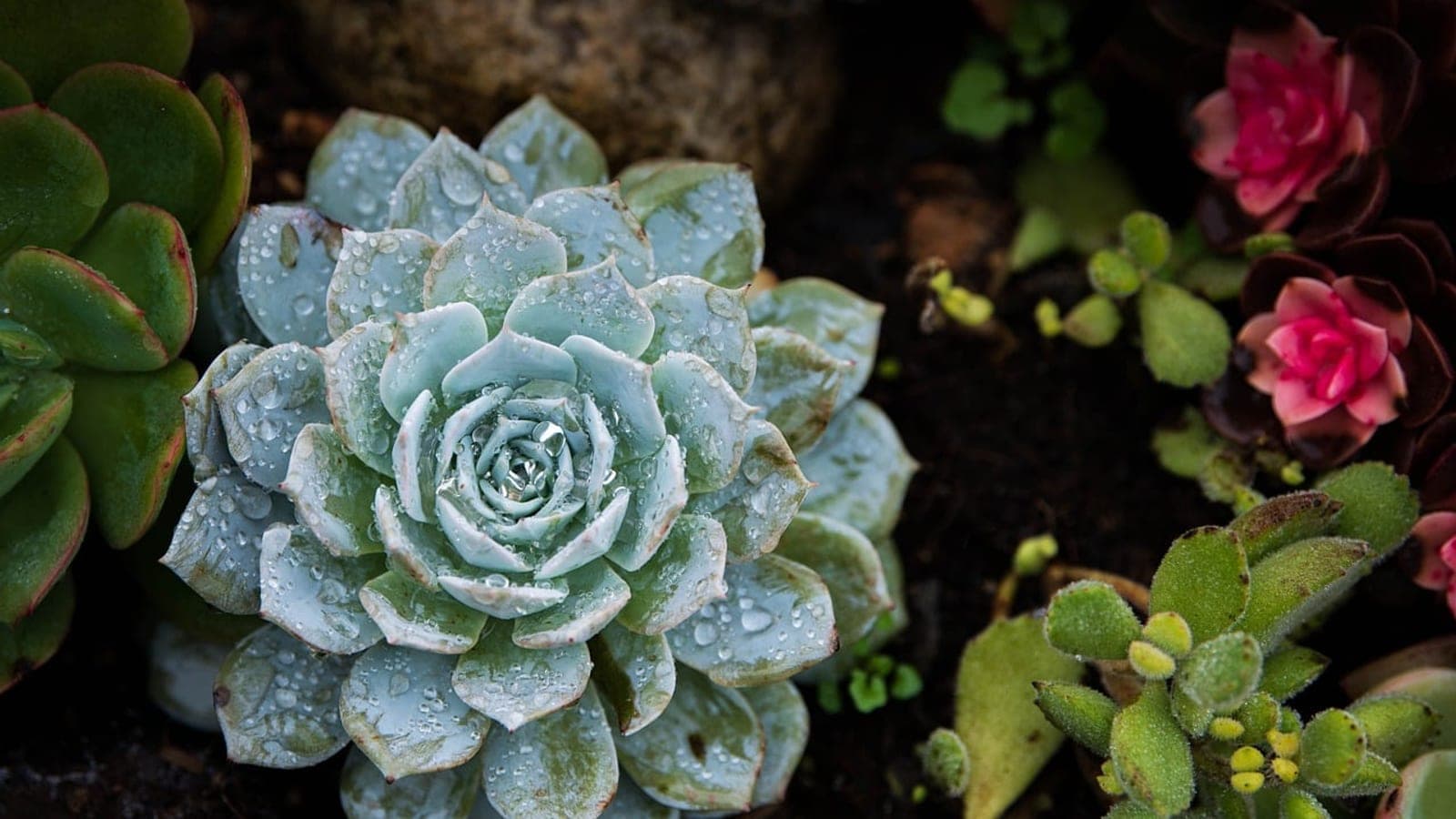
Photo by MARTINOPHUC on Pixabay
White fluff in the leaf joints is almost always mealybugs. How to confirm it, clear them from houseplants, orchids and succulents, and stop a repeat.
The short answer
- White, cottony fluff in the leaf joints, along stems or under leaves, with sticky leaves below it, is mealybugs.
- Dab each one with a cotton bud dipped in rubbing alcohol. Do it on the first day and again every few days.
- Isolate the plant. Mealybugs walk, and a clean neighbour may already have a few.
- Sprays struggle to get through the waxy coat, so physical removal comes first.
- Pull the plant out of its pot once. Mealybugs on the roots explain most of the "they came back" cases.
What mealybugs look like
Mealybugs are small, soft, oval insects wrapped in white wax. The RHS says adult females have flattened oval-shaped soft bodies up to 4 mm in length (about 1/6 inch), so they are easy to see once you know to look. Most people notice the wax first. It looks like a tuft of cotton wool, and the insects and their eggs are underneath it.
The wax is not decoration. Female mealybugs lay eggs under a white, waxy coating, so what looks like fluff is often a nursery. That is also why one wipe is never enough.
The other sign is stickiness. Mealybugs drink sap, and the RHS notes that they then excrete the excess sugars as honeydew. It lands on the leaves, pots and windowsill below. Left alone, the extension service at Wisconsin points out that honeydew allows sooty mould (mold) to grow, a black film that wipes off but tells you the colony has been there a while.
Where to look
Mealybugs hide. The RHS describes them living together in clusters in inaccessible parts of plants, and on a houseplant that means a short list of places.
The leaf joints
Where each leaf meets the stem is the favourite spot. Look for white tufts, and part the leaves with a pencil if the plant is dense.
Under the leaves, along the midrib
Turn leaves over. A pale smear along the central vein is a colony just getting going.
New growth and flower buds
Soft, fresh tissue is the easiest to feed on. Crumpled or stunted new leaves with fluff at the tip are a warning.
Between rosette leaves and spines
On succulents and cacti they push deep into the centre, where wax looks like part of the plant. Use a torch and a cocktail stick.
The roots
Slide the plant out of its pot. White fluff clinging to the roots or the inside of the pot means a root colony, which needs a different approach (below).
If the leaves are sticky but you find no fluff, you may have another pest. Our guide to sticky leaves on indoor plants tells mealybugs, aphids, whitefly and scale apart.
Which plants get them
The RHS says glasshouse mealybugs are found mainly on greenhouse plants and houseplants, especially cacti and succulents. Orchids and other houseplants are on their menu too.
Indoors there is no cold season to stop them. The RHS notes that breeding continues throughout the year in greenhouses, only slower in winter, and a warm living room behaves the same way. A plant in a warm, heated room can grow a colony through the coldest months, so do not assume the season protects you.
They usually arrive on a new plant. The RHS advice is to quarantine new plants where possible so eggs and nymphs have time to develop and be recognised, which is exactly right for something that hides this well.
How to get rid of them
The waxy coat is the problem. The RHS says that due partly to the waxy covering, mealybugs are difficult to control with insecticides, so spraying alone rarely works. Start with your hands and a cotton bud, and use a product only to back that up. Wisconsin extension advises wiping the insects and egg masses off the plants with a cotton swab or cloth dipped in rubbing alcohol.
Day 1: dab each one
Dip a cotton bud in rubbing alcohol and touch each tuft until it dissolves. Test the alcohol on one leaf first and wait a day, because some plants mark.
Day 1: cut away what you cannot reach
A leaf or shoot tip that is thick with fluff is quicker to remove than to clean. Bag the cuttings and bin them straight away.
Day 1: rinse the plant
Wash it in a sink or shower with tepid water, or wipe the leaves with a damp cloth. This removes honeydew and sooty mould and leaves a clean surface, so new fluff stands out.
Every few days: check and repeat
Eggs hatch after your first clean. Look in the joints and under the leaves every few days, and dab anything new straight away.
If you need a spray, choose the type
Insecticidal soap or a horticultural oil is the usual choice. Check it is approved for houseplants where you live and follow the label. It only works on what it touches, so cover the joints and undersides, and expect to repeat it.
Weeks later: stop only when it stays clean
Keep the weekly check going for several weeks after you last see one. Only then return the plant to the others.
Soaps and oils must be applied to the hard-to-reach places the mealybugs inhabit to kill the insects, and the same source says sprays may require several applications. Wipe the sticky leaves clean on the first day, or the sooty mould will linger.
Mealybugs on orchids and succulents
Orchids. The pests tuck where the leaf meets the stem, under the pseudobulbs and along the flower spike. Use a soft damp cloth on the leaves themselves and a cotton bud in the joints. Move slowly, because torn tissue invites rot. If the leaves are also wrinkled or drooping, our guide to orchid leaves drooping helps separate a pest problem from a watering one.
Succulents and cacti. Dense rosettes and spines give them endless cover. Work a cotton bud down between the leaves of the rosette and check the base of the plant, where the leaves meet the soil. A plant that is also soft and yellow at the base may have an overwatering problem on top, so read how to tell and how to save an overwatered succulent alongside this.
If you have cleared a colony and the plant keeps declining, look underground.
When the roots are infested
The Wisconsin extension service says that root infestations are particularly difficult to control. You cannot wipe roots in place, so the fix is to take the plant out.
Slide the plant from its pot and shake off the old compost (potting mix). Rinse the roots in tepid water, cut off any that are dark and soft, and wash the pot thoroughly before you reuse it, or use a new one. Repot into fresh houseplant compost in a pot with drainage holes and water lightly, because a plant that has lost roots needs far less water than before. If the roots are mostly gone or mushy, treat it as root rot and follow our guide to root rot.
Where a plant has been badly weakened, the Wisconsin advice is that the feeding weakens and stunts plants, and causes foliar yellowing, so expect a slow recovery, and give it steady care rather than a flurry of extra feeding. Our guide on saving a dying houseplant covers the weeks after.
What does not work
One heroic spray. The eggs sit under the wax and survive it. A single spray looks like a cure for a week.
Treating only the part you can see. Ignore the roots and the colony rebuilds.
Leaving the neighbours alone. Crawlers walk, so a plant that stood beside the infested one is not clear until you have looked.
Keeping them out
Quarantine every new plant for a couple of weeks and check the leaf joints before it joins the others. Do the same after a plant has spent time outdoors.
Turn two or three leaves over every time you water. It takes seconds, and it is the difference between a single wipe and weeks of repeats. If you see tiny dots on the leaves and fine webbing instead of fluff, that is a different pest, so see how to get rid of spider mites. Hard brown bumps on stems point to scale insects, and soft clusters on new shoots are aphids.
Check these first
- Succulents and cacti
- Tight rosettes and spines give them cover, and the wax blends in. Check the centre and the base.
- Orchids
- Leaf bases, pseudobulbs and flower spikes offer plenty of hiding places.
- Plants with dense, crowded stems
- Any plant with tight leaf joints hides a colony easily. Part the stems and look.
- Anything new, or recently outdoors
- This is how most colonies arrive. Check before it joins the others.
Less often troubled
- Plants with smooth, open growth
- Fewer crevices means fewer hiding places, so a colony is easier to spot early.
- Plants that are checked weekly
- Any plant is low risk if someone looks at the undersides regularly.
Let Plant Doctor confirm it
White fluff and sticky leaves have several causes, and weeks of treatment are a lot of effort to spend on a wrong guess. Photograph the leaf or stem in Folly and Plant Doctor diagnoses it from 500+ diseases and pests, free on every plan. You get the likely cause, what it looks like, what causes it, how to prevent it and what to do first.
If it finds a problem it can treat, "Fix my plant" on Folly Pro asks a few quick questions and builds a day-by-day recovery plan for that plant, with check-ins on set days, reminders and an optional photo. While the plan runs, the plant's usual watering and feeding reminders pause, so you are not adding water to a stressed plant.
Notes with photos, free on every plan, are a handy place to record what you found on each weekly check, so you can see whether the fluff is spreading or clearing. And because a weak plant is the easiest target, Smart Care on Folly Pro builds each watering interval from 15+ attributes and lists every factor with the percentage it added or removed. Folly shows its working.
Questions people ask
How do I know if it is mealybugs or just fluff?
Touch it with a damp cotton bud. Mealybugs smear into a pale, sticky mess and a soft body can be felt under the wax. Dust and cotton fibres stay dry and do not move. Look for the fluff in leaf joints, along stems and under leaves, and check whether the leaves nearby feel sticky.
What do mealybugs look like on orchids?
Small white cottony patches tucked where the leaf meets the stem, under the pseudobulbs and along the flower spike. On an orchid the damage shows as sticky leaves, yellowing and distorted new growth. Work gently with a soft damp cloth or a cotton bud, and check the roots in the pot as well.
How do I get rid of mealybugs on succulents?
Wipe each one off with a cotton bud dipped in rubbing alcohol, working between the leaves of the rosette, then check again every few days. Test the alcohol on one leaf first, because some succulents mark easily. Remove the worst pieces entirely if the colony is deep inside the plant.
Are mealybugs harmful to my plant?
Yes, though slowly. They drink sap, so a heavily infested plant yellows, stunts and drops leaves. The sticky honeydew they leave behind then grows sooty mould on the leaves, which blocks light. A few found early do little harm, a colony left for months can finish a plant.
Why do mealybugs keep coming back?
Usually because a few were missed. Eggs sit under the white wax and hatch after you stop treating, and mealybugs can also live on the roots where no spray reaches. Keep checking weekly for several weeks, and quarantine any new plant before it joins the others.
Can mealybugs spread to other plants?
Yes. The young crawlers walk between touching leaves and travel on hands, cloths and watering cans. Move the affected plant away the moment you find them and inspect every plant that was standing nearby.