Why Are My Citrus Leaves Curling?
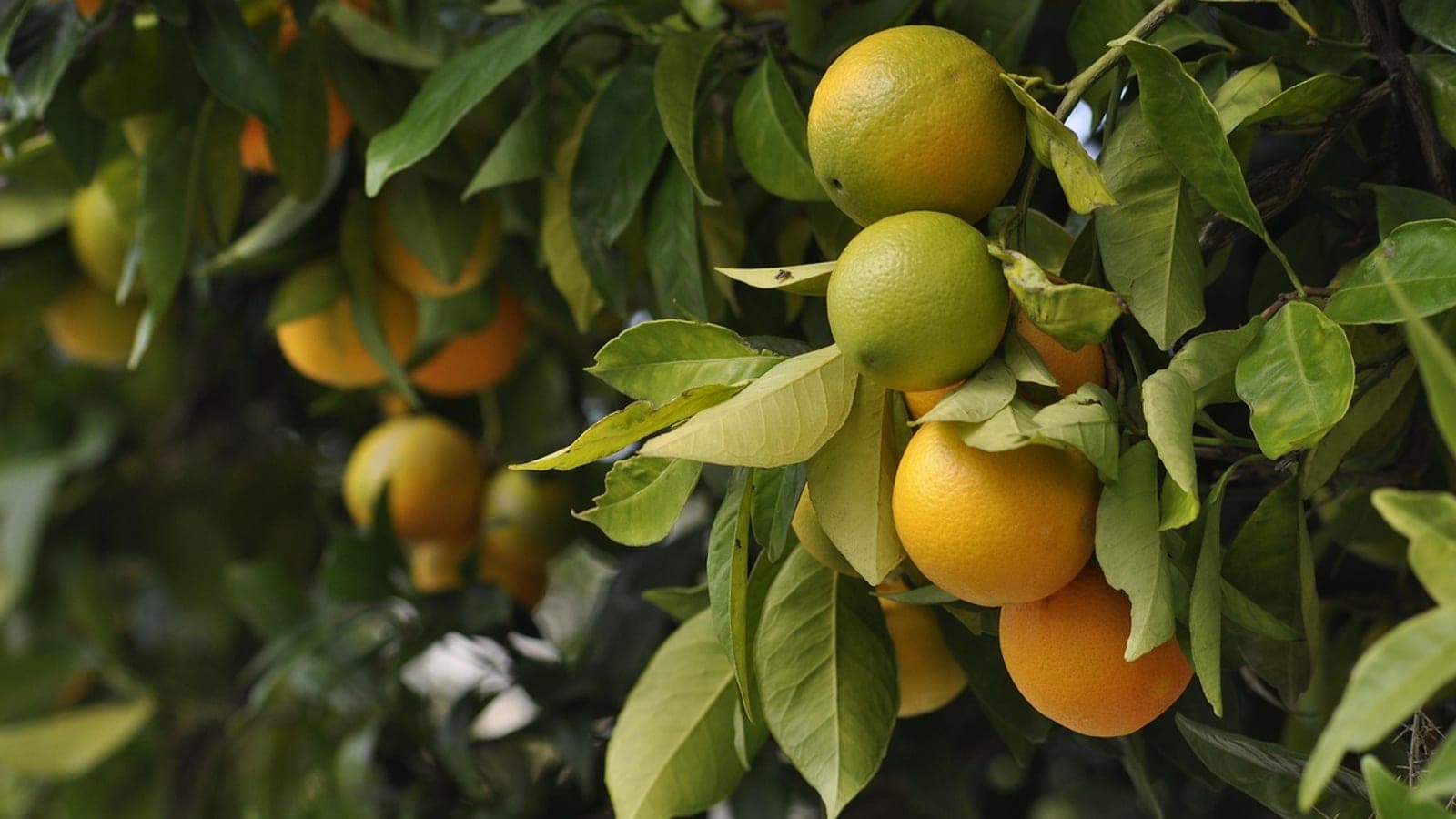
Photo by mac231 on Pixabay
Curling citrus leaves usually mean thirsty or waterlogged roots, a cold draught or pests. Here is how to read the curl and what to do first.
The short answer
- Check the compost first. Curling citrus leaves most often mean the roots are too wet or too dry, and the two look alike from a distance.
- Leaves that fold inwards like a taco with dry compost want a thorough soak. Leaves that curl down and yellow with wet compost want you to stop watering.
- Cold draughts, a spot beside a radiator and a recent move all curl leaves too.
- Curled, distorted new growth with pale winding lines on it is usually citrus leafminer. It looks bad and rarely matters.
- Turn the leaves over. Sap-sucking pests curl leaves from underneath.
Start with the pot
A citrus leaf curls to cut its water loss, and it does that when the roots cannot keep up. Roots fail to keep up for two opposite reasons. The RHS says of yellowing citrus leaves: "The roots could be too wet or too dry." The same two causes sit behind most curling, which is why the pot tells you more than the leaf does.
Lift the pot. A tree that has just been watered is heavy and a thirsty one is surprisingly light. Push a finger a few centimetres (an inch or two) into the compost (potting mix). Cool and soggy days after the last watering means the roots are short of air. Dry and shrinking from the pot wall means they have gone without.
Our guide to how often to water houseplants covers these checks in more depth, and they work on a potted lemon, orange or lime exactly as they do on anything else.
Read the shape of the curl
Once you know how the pot feels, look at how the leaves are curling. The pattern narrows the cause quickly.
Folded inwards along the midrib, leaf dull or leathery
Thirst, heat or dry air. The leaf is closing up to save water. If the compost is dry, water thoroughly, and expect the leaves to relax within a day or two.
Curling down and yellowing, often the older leaves first
Wet roots. Waterlogged compost cannot supply the leaf, so it yellows and rolls. Stop watering until the top few centimetres have dried.
Curling after a cold night, sometimes with a drop of leaves
A draught or a chilled windowsill. Check where the tree stands and whether glass, a door or an open window is blowing cold air on it.
Small, crumpled or twisted new leaves only
Either a pest working inside the new growth, or a tree short of food. Look closely at the surface for pale winding lines.
Curled leaves with stickiness, speckles or bumps underneath
Sap-sucking pests. Turn the leaves over and check the stems with a magnifying glass.
Two causes often overlap. A tree in wet compost can look underfed because its roots cannot take anything up, so a curled, yellow leaf is not always a hungry one.
If the compost is dry
Do not splash the top. Dry compost shrinks from the pot wall, and water then runs down the gap and out of the drainage holes without wetting the root ball.
Water slowly until it runs freely from the bottom, or stand the pot in a bowl of tepid water for twenty minutes or so until the surface darkens. Then drain it fully and put it back. Do not leave it in a saucer of water.
Aim for even moisture from here. A citrus that swings between soaked and parched curls its leaves at both ends of the cycle. Pots in a sunny window or beside a heater dry out much faster than you expect, so check them more often.
If the compost is wet
Potted citrus are rarely killed by one missed watering. They are killed by a pot that stays wet for weeks, particularly in winter when the tree barely grows. The RHS warns: "Ensure that care is taken not to over water in winter". (That is the darker, cooler half of the year, roughly November to March in the northern hemisphere and May to September in Australia, New Zealand and South Africa.)
Stop watering and let the compost dry a few centimetres down before the next one. Check the pot has drainage holes and is not standing in water. If the tree has been soggy for a long time, slide it out and look at the roots. Firm, pale roots are healthy. Brown, soft, slimy ones are rotting and should be cut away with clean scissors before repotting into fresh, free-draining compost. Our guide to root rot shows what to look for.
Cold, draughts and dry air
Citrus come from warm climates but dislike sudden swings. The RHS says: "Draughts, low temperatures, or lack of feeding will also result in yellowing leaves", and the same stresses curl them. For lemons it advises a night temperature of at least 10°C (50°F) in winter: "Provide lemons with a minimum winter night temperature of not less than 10°C (50°F)".
Two setups cause trouble more than any other:
- A windowsill with a cold pane behind the leaves. On a winter night the glass can be far colder than the room, and leaves touching it chill.
- A spot next to a radiator or heater, where hot, dry air pulls water from the leaves faster than the roots can replace it. Our guide on plants near radiators explains the problem in full.
Citrus also dislike being moved around. If you are bringing a tree in from outdoors, or putting it out again, do it over a week or two rather than overnight. Pick a bright spot with as much sun as the window gives, fix any draught there, and then leave it.
Hunger
Citrus grow and fruit at the same time, and a pot runs out of nutrients quickly. A tree short of food makes small, pale, poorly formed leaves that curl. The RHS advice is to "Feed citrus with a proprietary citrus fertiliser." A citrus feed (fertiliser, or fertilizer in the US) carries the nitrogen and trace elements these trees want in balance. Follow the label for how much and how often, and feed while the tree is growing, not through its winter rest.
Do not feed a tree whose compost is soaked or bone dry. The roots cannot take it up and strong feed can scorch them. Fix the watering first, feed second.
Pests
Pests are the other big reason for curling, and they are easy to miss because they sit under the leaf. The RHS lists the usual ones: "Citrus can also come under attack from pests such as scale insects, mealybug and red spider mite". All three feed on sap, and a leaf that loses sap goes pale, speckled or sticky and may curl.
Turn the leaves over and check along the midrib and where the leaf meets the stem. Scale insects are small, flat, brown bumps that do not move. Red spider mite leaves a fine pale stipple and, when bad, webbing. Mealybug looks like tiny tufts of cotton wool. Our guides to scale insects and spider mites show how to clear them, and the one on aphids covers the soft green pests that cluster on tender growth.
Wipe small infestations off with a damp cloth, isolate the tree and look again every few days. For anything heavier, a product made for houseplants may help: check it is approved for houseplants where you live and follow the label.
The curl that looks worse than it is
If only the newest leaves are curled and twisted, and you can see pale winding lines just under the surface, you are probably looking at citrus leafminer. A UC IPM page explains that "The larvae mine inside the lower or upper surface of newly emerging leaves, causing them to curl and look distorted." The good news is that on "mature backyard citrus trees, citrus leafminer rarely causes serious damage." Do not strip the leaves either: "Do not prune off leaves damaged by citrus leafminer since undamaged areas of leaves continue to produce food for the tree." Leave them, keep the tree watered and fed, and the next flush will be cleaner.
What to do, in order
- Lift the pot and check the compost. Fix the watering before anything else.
- Check for a draught, a cold pane or a nearby heater.
- Turn the leaves over and look for pests.
- Feed it with a citrus fertiliser if it is actively growing and the compost is in good order.
- Wait. Judge the result by new leaves, which come through over weeks. Curled leaves that were damaged will not always flatten.
Pull off a leaf only once it has turned fully yellow or brown. A curled green leaf is still working. If you are not sure which cause you have, the wider picture is in our guide to why houseplant leaves turn yellow, and the plant-agnostic version of this article is why plant leaves curl. If it is a lemon that has also gone yellow, see why lemon tree leaves turn yellow.
Let Plant Doctor name the problem
Curled leaves have a handful of causes and they overlap, so the pattern is sometimes hard to read by eye. Photograph the leaf in Folly and Plant Doctor matches it against 500+ diseases and pests. You get the likely cause, what it looks like, what causes it, how to prevent it and what to do first, free on every plan.
If it finds a problem Folly can treat, "Fix my plant" on Folly Pro asks a few quick questions about your tree and builds a day-by-day recovery plan, with check-in reminders and a plan that changes if the tree gets worse. Smart Care schedules on Folly Pro set the watering interval from more than fifteen attributes and show every factor with the percentage it added or removed, which takes the guesswork out of the wet-or-dry question.
Questions people ask
Why are my citrus leaves curling and turning yellow?
Curling with yellowing most often points to the roots. Compost that stays wet leaves them short of air, and compost that dries out hard leaves them short of water. Either way the leaf cannot hold its moisture, so it fades and rolls. A cold draught or a lack of feeding can do the same. Check the compost before you change anything else.
Why are my citrus leaves curling and falling off?
Leaf fall after curling is a stress response. The usual triggers are waterlogged or bone-dry compost, a cold night near a window, a sudden move, or heat from a radiator. Fix the cause, keep conditions steady and the tree will push out new leaves. Do not repot it in a panic.
Why are my lemon tree leaves curling?
The causes are the same as for any citrus. Check whether the compost is too wet or too dry, whether the tree sits in a draught or beside a heater, and whether the undersides of the leaves carry pests. A cold windowsill in winter is worth ruling out.
Should I cut off curled citrus leaves?
Usually not. A curled leaf that is still green is still feeding the tree. Remove a leaf only once it has turned fully yellow or brown, or if you need to take it off to check the stem for pests.
Will curled citrus leaves flatten out again?
Leaves that curled from thirst often relax within a day or two of a proper watering. Leaves that curled from pests, or that were curled while still young and soft, usually stay as they are. Judge recovery by the new growth, which should come through flat and glossy.