Why Is My Jade Plant Dropping Leaves?
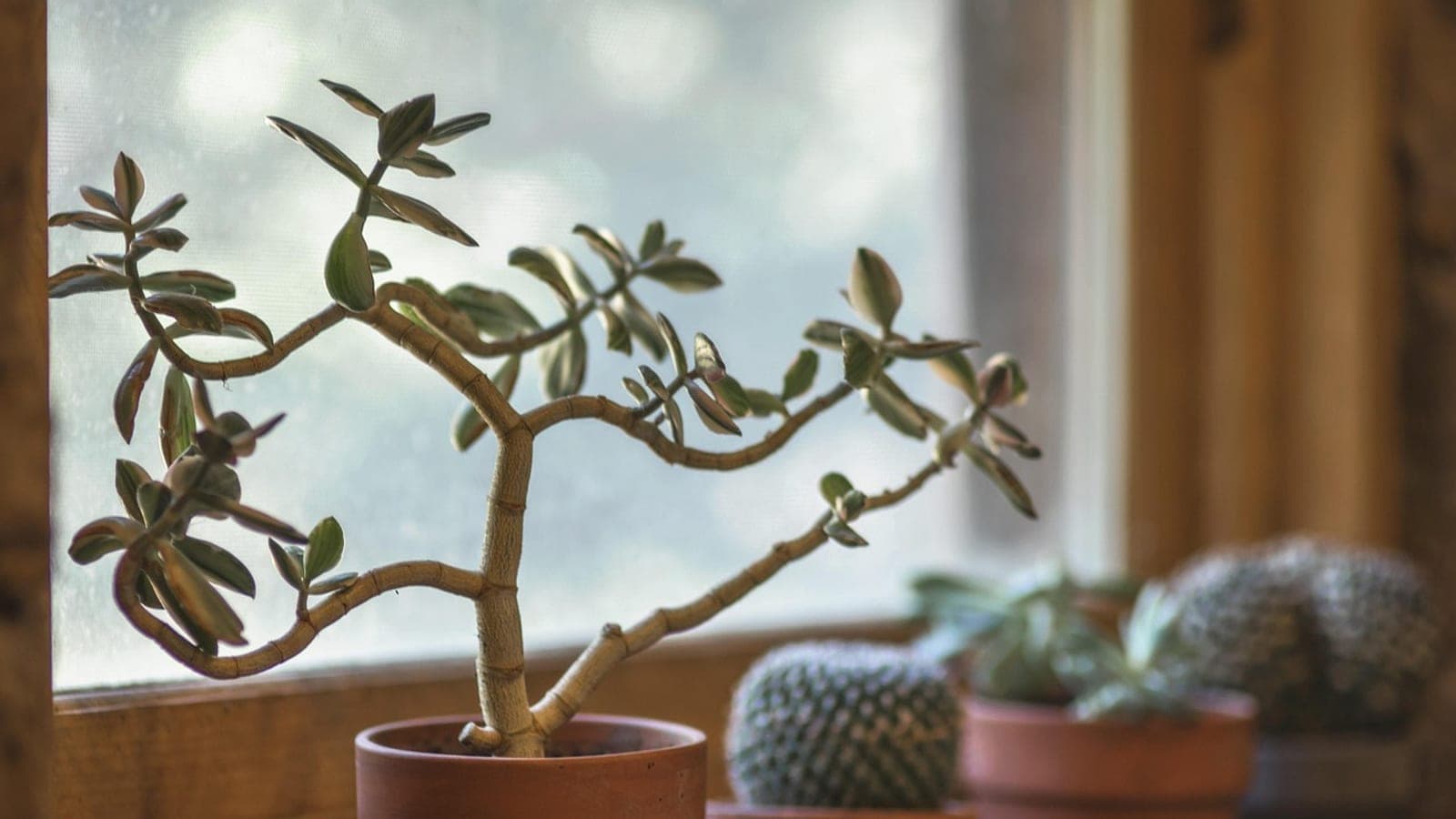
Photo by TheVirtualDenise on Pixabay
A jade plant drops leaves from too much water, too little, or poor light. Squeeze a leaf and check the roots to tell which, then fix it.
The short answer
- Overwatering is the most common cause. Leaves go soft, yellow and translucent, then fall, often with a squashy stem.
- Thirst is the second. Leaves wrinkle and shrivel, then drop from a pot that has been dry for weeks.
- Check the pot before you water. Dry and light means water it. Wet and heavy means leave it alone and let it dry.
- Low light, cold, and a recent move cause a milder drop. A few old lower leaves falling is normal.
Wet or dry? Check the leaves and the pot
A jade plant (Crassula ovata, also sold as a money plant or lucky plant) stores water in thick leaves, so it can drop leaves for two opposite reasons. The leaves tell you which if you handle them.
Overwatered: leaves feel soft and swollen, often yellow or see-through, and come off at a touch. They may fall in clusters from the lower half. The stem near the soil can go squashy and the compost (potting mix) stays damp for days.
Underwatered: leaves wrinkle, go slightly flat and dull, then shrivel before they fall. The pot is light and the soil is dry right through and may pull away from the sides.
The University of Wisconsin extension service says that overwatering will cause the leaves to drop and the stem to rot. It is also true that a jade plant can drop leaves from drought. Clemson's extension team notes that drought can cause dwarfing, foliage spotting, leaf drop and death, even in a succulent. Treating every dropped leaf as a sign of too much water is how thirsty plants get drowned.
Lift the pot
A dry pot feels light for its size. A waterlogged one is heavy. Learn the weight of your jade just after watering and this becomes your quickest test.
Push a skewer to the bottom
Leave it for a minute and pull it out. A clean dry skewer means thirst. Damp compost clinging to it, days after the last watering, means the roots are sitting wet.
Squeeze a leaf from the top of the plant
Firm and plump is healthy. Soft and mushy is too much water. Wrinkled but firm underneath is thirst.
Look at the stem base
Brown, soft or shrunken at the soil line is rot starting. A firm, pale green or woody base means the roots have probably held.
If it is overwatered: dry it out, then check the roots
Stop watering. Tip out anything standing in the saucer or cover pot and move the plant somewhere bright, so the compost dries from the top and the plant uses what is left.
Then judge how bad it is. Illinois Extension advises that if the roots are dark brown to black, it is overwatered, and that you should withhold water until the soil is quite dry and gradually begin a new watering schedule. It adds that if no improvement is seen in the next two weeks, the plant should be repotted in fresh soil.
In practice that gives you two routes:
- Soil damp but the stem is firm: leave it dry for a couple of weeks, then water thoroughly only when the pot is light again.
- Stem soft or the soil stinks: slide the plant out of its pot. Healthy roots are pale and firm. Cut off any that are black and soft with clean scissors, let the plant sit out of the pot for a day so the cuts dry, and repot into fresh, free-draining succulent or cactus mix in a pot with drainage holes. Wait a week or so before the first watering.
If most of the plant has gone soft, the stems and the roots, take cuttings from the firm parts. A jade leaf or a short stem tip left to dry for a few days and set on dry mix will often root, so a rotted plant does not have to mean losing the line. Our guide to overwatered succulents covers the rescue in more detail, and root rot treatment shows what to look for when the roots are involved.
If it is underwatered: soak it properly
Jade plants tolerate drought, but not indefinitely. Clemson adds that leaf drop can happen if the plant is allowed to become extremely dry.
Water slowly until it runs out of the drainage holes, wait ten minutes and water again, because dry compost can shed the first pour down the sides. Empty the saucer. The leaves should plump up within a few days, though those already shrivelled will usually still fall.
Then settle on a rhythm. Penn State Extension recommends that jade plants be watered infrequently and only when the soil is completely dry. For most homes that means a long gap in summer and a longer one in winter. Our guide to how often to water houseplants explains why the gap changes with pot, light and season.
The pot and the soil decide how easily it goes wrong
Most jade plants that keep dropping leaves are in a pot that holds water too long. Penn State says that root rot may result if the soil does not drain quickly or the plant is overwatered, and that terracotta (clay) pots are ideal because they are porous and let the soil dry out quicker than glazed or plastic ones.
So check:
- Drainage holes. No holes, no excuses. A decorative outer pot that collects water is the same as no holes, so lift the inner pot out after each watering.
- The mix. Garden soil and standard houseplant compost hold too much water for a jade. Use a gritty succulent or cactus mix, or standard mix with a generous share of grit or perlite.
- Pot size. A pot much bigger than the root ball stays wet for weeks. One size up is plenty.
Light, cold and moves
Not every drop is a watering problem. If the soil is right and leaves keep falling, look at where the plant lives.
Too little light. The University of Wisconsin says jade plant does best with four or more hours of direct sun, but will survive in bright, indirect light. In a dim spot, a jade stretches, thins and drops leaves from the inside of the plant. A window that gets the most sun is best: that is the south-facing side in the northern hemisphere and the north-facing side in the southern.
Cold and draughts. The same Wisconsin guide says the plant will be killed by freezing conditions. Leaves touching a cold window pane on a frosty night often blacken and fall. Clemson puts the best night temperatures at between 50 and 55°F (10 to 13°C), so a cool bright room in winter suits it, and a spot above a radiator does not. Our guide to plants near radiators explains why.
A move or a season change. Jades often drop a few leaves after moving from a shop to a home, from one window to another, or from outdoors to in. Keep conditions steady and resist adding a second change, such as a repot, on top of the first.
Winter. Growth slows when light drops. Wisconsin advises that when plants are semi-dormant, watering should be restricted and the soil should remain on the dry side. Watering on the summer schedule through winter is a common route to leaf loss.
What not to do
- Do not water on a calendar. Water when the pot says so.
- Do not mist it. The leaves do not need it and damp foliage invites trouble.
- Do not feed a plant that is dropping leaves. Feed is for healthy growth, not rescue.
- Do not strip bare stems. They hold water and will sprout again once the cause is fixed.
- Do not repot a thirsty plant. Repotting helps a waterlogged one. It stresses a dry one.
Know which it is before you water
Telling thirst from drowning is the hard part, and the deciding evidence is in the pot, which no one looks at often enough.
Folly makes that easier. Smart Care schedules on Folly Pro set each plant's watering interval from more than fifteen attributes, including pot, light, season and the weather where you live, so a jade in a small terracotta pot on a bright sill gets a different gap from the same plant in a plastic pot in a dim hallway. Tap the plant and every factor is listed with the percentage it added or removed. Most apps ask you to trust the number. Folly shows its working.
If the cause is not clear from the leaves and the roots, photograph the plant. Plant Doctor diagnoses from the photo against 500+ diseases and pests and gives you the likely cause, what causes it, how to prevent it and what to do first, free. For a problem Folly can treat, a recovery plan on Folly Pro then builds a day-by-day plan around your plant. If you are working out whether other cactus and succulent symptoms are related, our guide to a cactus turning yellow is a good next read.
Questions people ask
Why are the leaves falling off my jade plant?
Most often because the roots are too wet. Leaves that fall while still plump, or that turn yellow and translucent first, point to overwatering. Leaves that wrinkle and shrivel before they drop point to thirst. Poor light, cold, and a recent move can all cause a smaller drop too.
How do I tell if my jade plant needs water?
Push a finger or a wooden skewer deep into the pot. If it comes out dry and the pot feels light, water. Squeeze a leaf as well. A thirsty leaf is soft and slightly wrinkled, while a healthy one is firm and plump. Succulent leaves hold water, so a wrinkled leaf is an early signal.
Will the leaves grow back after they drop?
A fallen leaf does not regrow, but the stem it left will usually sprout new growth near the tip once the cause is fixed. Jade plants grow slowly, so expect weeks to months rather than days. Leave the bare stems on, because they are the plant's structure and its water store.
Is it normal for a jade plant to lose some leaves?
Yes. Old lower leaves drop slowly as the plant ages, and a handful of fallen leaves over a few weeks is nothing to act on. A sudden drop of many leaves at once, or leaves falling from the new growth, means something in its care has changed.
Should I repot a jade plant that is dropping leaves?
Only if the roots are rotting or the soil stays wet for days. Repotting into fresh, free-draining mix in a pot with drainage holes helps a waterlogged plant. It does not help a thirsty one, and it adds stress to a plant already losing leaves.