Why Are My Plant's Leaves Curling?
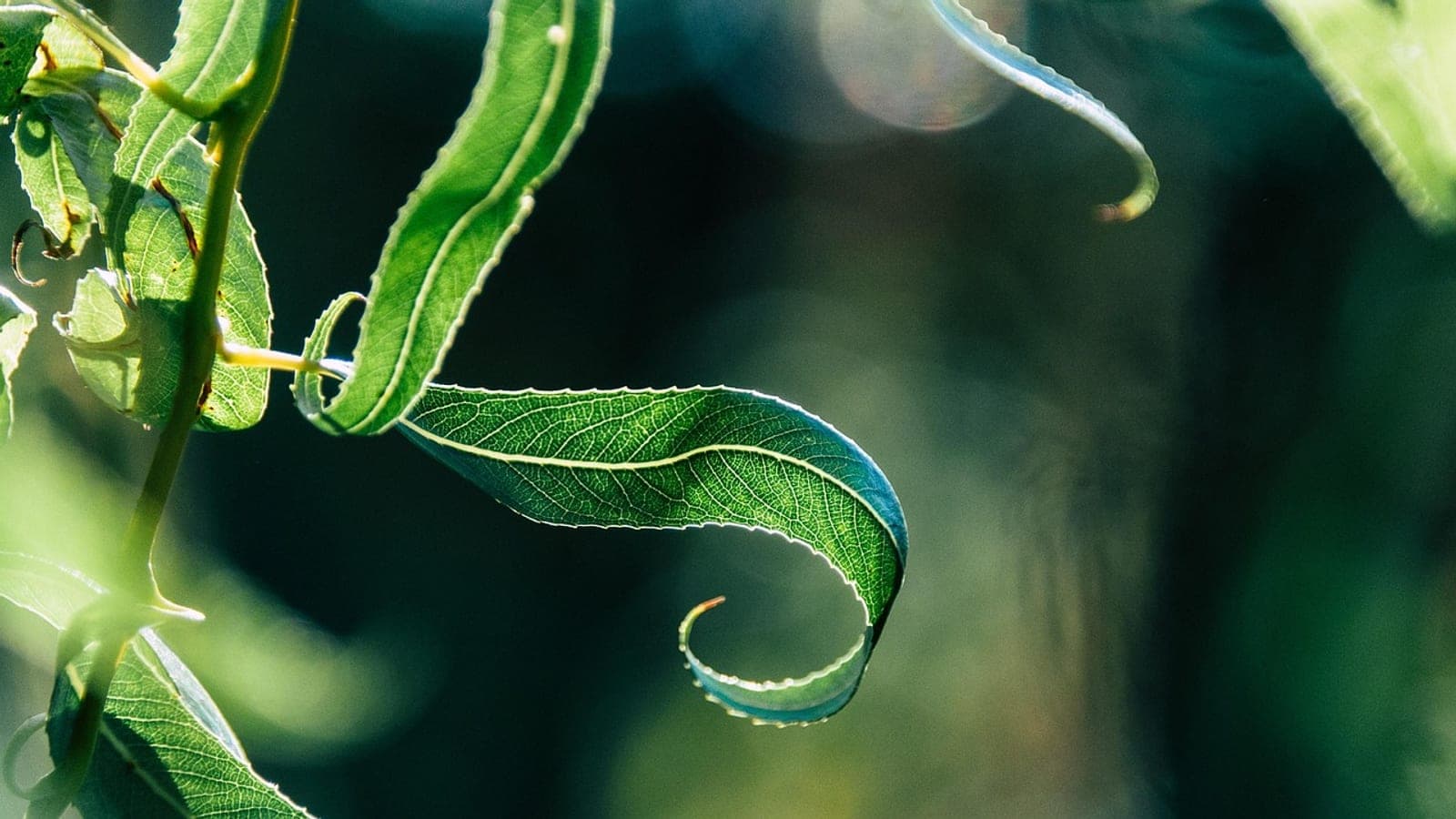
Photo by wal_172619_II on Pixabay
Curling leaves are usually thirst, dry air or too much sun. Here is how to read which way the leaves curl, what else causes it, and how to fix each one.
The short answer
- Curled leaves are the plant protecting itself, and thirst is the most common reason. Push a finger into the compost before you do anything else.
- Dry compost and leaves curling inward or upward means water thoroughly. Wet compost and limp leaves means stop watering.
- Dry air, hot sun through glass and cold draughts come next. Aphids are the pest to rule out, especially if the curl is on new growth.
- Early curl reverses within a day or two of the fix. Brown, crisp or creased leaves will not, so trim them once the plant has recovered.
Why leaves curl at all
A leaf loses water through its surface. When a plant is losing water faster than the roots can replace it, rolling the leaf up shrinks the exposed surface and slows the loss. Curling is a defence, which is useful, because it means the leaves are telling you something is out of balance while there is still time to fix it.
The RHS notes that in bright light and a dry atmosphere, the leaves of some plants such as Maranta curl inwards. The same page explains that when air humidity is low, plants transpire quickly and become at risk of wilting. Thirst, dry air and strong light all push in one direction: the plant is trying to hold on to water.
The catch is that not every curl is about too little water. Roots that are drowning cannot take up any, so the leaves behave as if the plant were parched. That is why the first job is always the pot, not the leaf.
Read the curl: which way and what else you can see
Before you change anything, look at three things. Which way do the leaves curl, how do they feel, and what is the compost like?
Push a finger into the compost
Go in a few centimetres (an inch or two), past the surface. Dry and light all the way down points to thirst. Cool, wet and heavy days after watering points to the roots.
Lift the pot
A thirsty pot is noticeably light. A waterlogged one is heavy. Learn the weight of your own plants just after watering and this becomes your fastest test.
Feel a curled leaf
Dry, thin and papery means water loss. Soft, limp and slightly glossy means too much water. Brown and brittle at the edges means it has been going on for a while.
Check where the curl is
Every leaf on the plant points to a whole-plant cause such as water, light or air. Only the newest leaves, or only one side, points to pests, a draught or a hot patch from a window.
Look under the leaves
Sticky residue, clusters of small insects or fine webbing means pests. Healthy undersides with a uniform curl means the cause is the environment.
Thirst: the usual answer
The Clemson extension service says chronic under-watering results in wilting, leaf curling and death. The RHS lists wilting and browning of leaves at the top of the plant as a sign of underwatering too, so a plant that is drying out often shows the problem high up first.
Do not splash water on the surface of a pot that has dried out hard. Compost that has shrunk from the sides lets the water run straight down the gap and out of the drainage holes without wetting the root ball. Stand the pot in a sink or bowl with some tepid water around its base until the surface turns damp, so the compost (potting mix) draws it up and swells back against the pot. Then drain it fully.
Leave it alone after that. No feed, no moving it around. Leaves that have only just started to curl usually open again within a day or two. Our guide to how often to water houseplants explains how to judge the interval so the pot never gets this dry again.
Too much water: curling with limp leaves
Overwatering is the opposite problem with a similar-looking result. The RHS warns that overwatering can also cause wilting, which is easy to mistake for thirst. If the compost is still wet days after you last watered, more water is the one thing the plant does not need.
Stop watering, empty the saucer or cover pot, and let the compost dry back. Slide the plant out of its pot if it is not improving. Healthy roots are firm and pale. Roots that are brown or black, soft, and sour-smelling are rotting. Cut them away with clean scissors, repot into fresh free-draining compost in a pot with drainage holes, and water once, lightly. Our guide to saving a dying houseplant covers what recovery looks like week by week.
Dry air, hot sun and cold draughts
If the compost is a sensible level of damp and the leaves are still curling, look at the room.
Dry air. Heating is the usual culprit. Curling that is worst on plants near radiators, and that comes with crisp edges, points here. Group plants together, stand pots on a tray of damp pebbles with the base clear of the water, or run a humidifier. Misting gives a few minutes of damp leaf and not much more. Our guide to plants near radiators covers where to put them.
Hot sun through glass. Strong sun through a window heats a leaf pressed against the glass more than the room around it. The RHS says leaves wilting, rolling, bleaching and going crispy suggest a plant is suffering from heat stress. Move the plant back from the glass, or filter the light with a net curtain. The sunny side of the house is the south side in the northern hemisphere and the north side in the southern.
Cold draughts. The RHS notes that draughts can cause leaf yellowing and dry leaf edges. A plant by a door that opens, or touching a cold window pane on a cold night, may curl on the side facing the cold. Move it a hand's width in from the glass and away from the gap.
Irregular watering of new growth. Leaves that emerge crinkled or creased are usually due to stop-start growth, according to the RHS. Irregular watering while a plant is pushing out new leaves is a likely trigger. Those leaves will not uncurl. Keep the watering steady and the next ones come through flat.
Pests that curl new growth
Aphids feed on sap and the RHS says they can cause stunted growth with curled or distorted leaves. They can turn up indoors at any time of year, and they cluster on soft new shoots and the undersides of leaves. If the curl is only on the newest growth and you can see small insects, sticky residue, or both, this is the likely cause.
Squash small colonies with finger and thumb, wipe the leaves with a damp cloth to remove the sticky honeydew, and check the plant every few days until nothing new appears. Keep a plant with aphids away from the others while you deal with it. If you find fine webbing as well, read our guide to getting rid of spider mites. If you reach for a product, choose one by type, check it is approved for houseplants where you live and follow the label.
Some plants curl faster than others
Curl early and visibly
- Calathea and prayer plant (Maranta)
- Roll their leaves at the first sign of dry compost, dry air or hard water. See our guide to why calathea leaves curl.
- Ferns
- Fronds crisp and curl quickly in dry air and when the compost dries out, even once.
- Citrus and other tender shrubs
- Curl in response to water swings and to heat against glass.
Rarely curl
- Snake plant and ZZ plant
- Store water in thick leaves and rhizomes, so by the time they show a problem it has usually run for weeks.
- Cacti and succulents
- Rarely curl. Shrivelling and softness are late signals, not early ones.
- Pothos
- Yellows or slows down more often than it curls, so check the roots before assuming thirst.
If the plant is a calathea or prayer plant, calathea leaves curling has the detail for that family. Curling often comes with other changes. If the leaves are also going yellow, our guide to why houseplant leaves turn yellow will help you narrow it down, and if the tips are going brown, see brown tips on houseplant leaves.
Let Folly help you work out which one it is
The hard part of curling leaves is that thirst and overwatering look alike from across the room, and the evidence is in the pot and the leaf surface. That is the gap Folly is built to close.
Photograph the curled leaf and Plant Doctor matches it against 500+ diseases and pests, then tells you the likely cause, what it looks like, what causes it, how to prevent it and what to do first. That is free on every plan. If it is a problem Folly can treat, "Fix my plant" on Folly Pro asks a few quick questions about what the plant grows in, how the soil feels and when it was last watered, then builds a day-by-day recovery plan for that plant, with check-in reminders and a "Something has changed" option if it gets worse.
To stop the curl coming back, Smart Care schedules on Folly Pro set each plant's watering interval from more than fifteen attributes, including the light in that room, the season and your local weather. Tap any plant and every factor is listed with the percentage it added or removed. Most apps give you a number and ask you to trust it. Folly shows its working.
Questions people ask
Why are my plant leaves curling inward?
Inward curling is the plant folding the leaf to lose less water. The usual causes are compost that has dried out, dry air from heating, and bright direct sun through glass. Push a finger into the compost first. If it is dry below the surface, give the pot a thorough soak and move the plant out of the hot sun.
Why are my plant leaves curling up?
Leaves that curl upward and feel dry or crispy are usually reacting to heat, strong light or thirst. Leaves that curl up while the compost is soaking wet can be a sign of struggling roots. Check the pot before you decide, because the two need opposite treatment.
Why are my plant leaves curling down?
Downward curling with limp, soft leaves often points to overwatering or roots that cannot take up water. Downward curling with dry compost can still be thirst. Compost that is wet and heavy days after watering means you should stop watering and look at the roots.
Why are my plant leaves curling and turning brown?
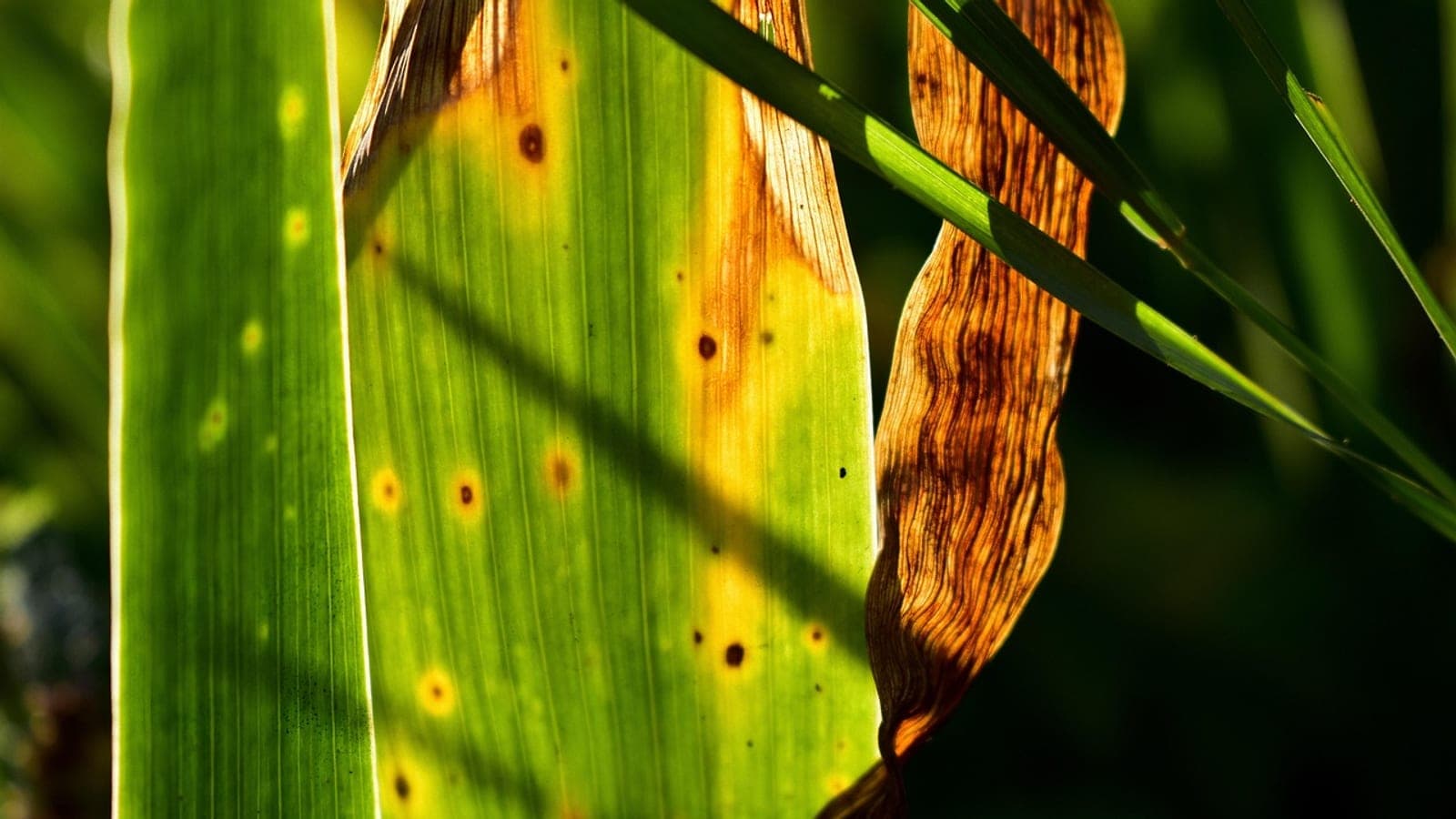
Brown, curled leaves have lost more water than the plant could replace. Scorch from direct sun, dry air, compost left bone dry and cold draughts all do it. Fix the cause first. The brown parts will not turn green again, so trim them off once the plant has settled.
Will curled leaves flatten again?
Leaves that have only just started to curl often open within a day or two of the right fix. Leaves that are brown, papery or creased stay as they are. Leave them until new growth takes over, then cut them off at the base.